
Relaxation therapy is a structured approach that teaches you techniques to quiet the body and mind. By activating the body’s relaxation response, it lowers nervous system arousal and helps you manage stress more effectively. Rooted in psychophysiology and widely studied in psychology and medicine, it provides practical tools you can practice daily.
Therapy is typically delivered by trained professionals and can be practiced at home with guided exercises. It often complements medical or psychotherapeutic treatment and is suitable for adults and, in some formats, for younger people. The goal is to build lasting self-regulation skills that reduce symptoms, improve sleep, and enhance daily functioning.
Core principles and techniques
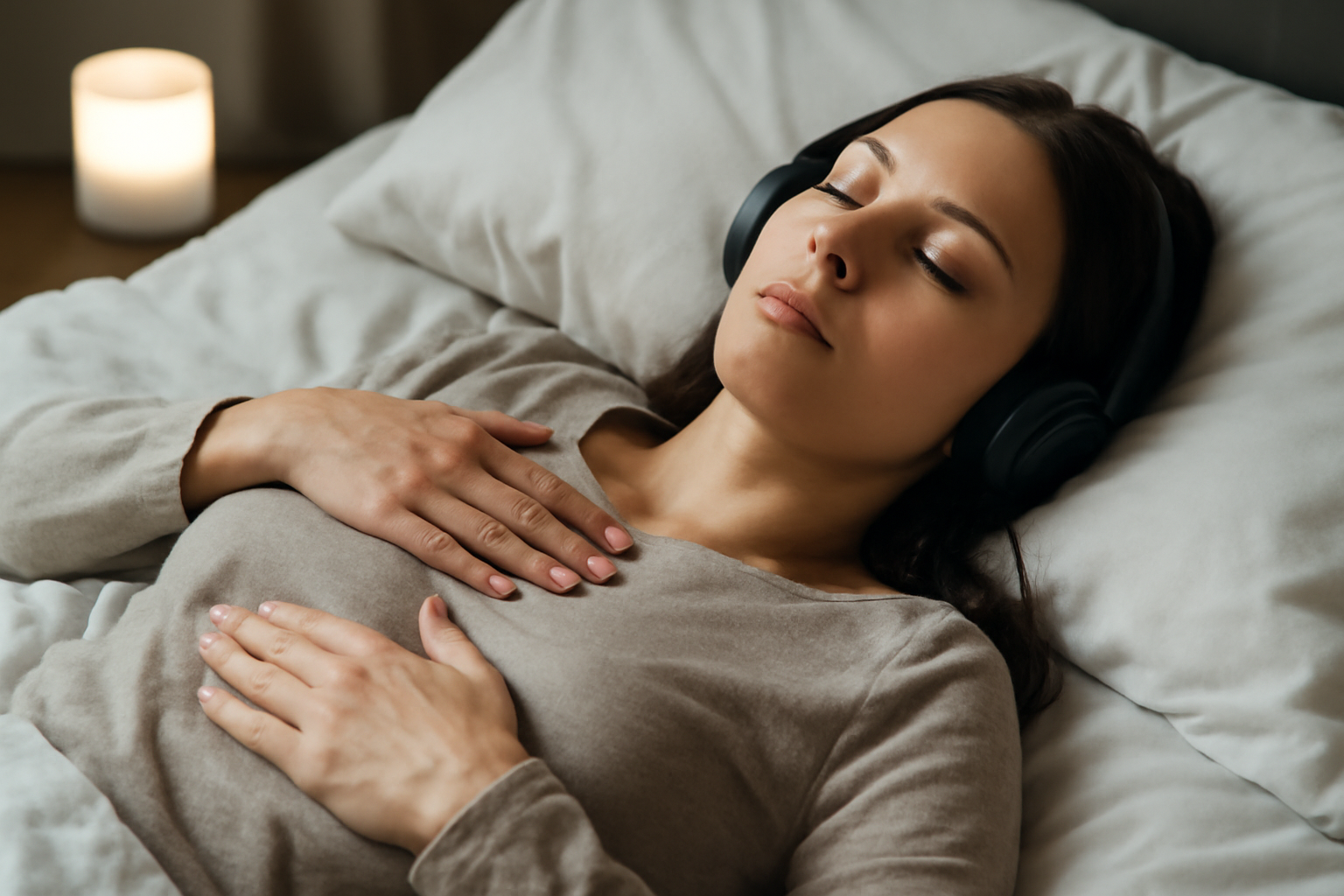
Relaxation therapy rests on a few shared principles that guide practice and outcomes. It emphasizes active learning, personalization, and consistent practice to retrain stress responses. Techniques are chosen to fit your goals, preferences, and any medical considerations, and sessions typically blend education, guided practice, and home assignments.
- Evidence-based and collaborative: Techniques are selected based on research and tailored to your needs, with ongoing adjustment as you progress.
- Skill-building and habit formation: The aim is durable self-regulation, not one-time relief. Regular home practice reinforces gains.
- Mind–body connection: These techniques acknowledge how thoughts, emotions, and physical sensations influence each other and leverage that link for healing.
- Gradual exposure and pacing: Difficulties are approached safely, starting with manageable levels of challenge and increasing as tolerance grows.
- Safety, nonjudgment, and accessibility: Practices respect your pace, preferences, and cultural differences, with options for adaptations if you have injuries or limitations.
Common techniques used in relaxation therapy include:
- Progressive Muscle Relaxation (PMR): A systematic tensing and releasing of muscle groups to cultivate awareness of tension and release, often easing chronic pain and sleep issues.
- Diaphragmatic breathing / paced respiration: Slow, deep breathing that engages the diaphragm, lowers heart rate, and reduces physical signs of anxiety.
- Guided imagery and visualization: Using mental pictures and peaceful scenes to reduce arousal and shift attention away from stressors.
- Mindfulness-based approaches (MBSR/MBCT): Techniques that cultivate nonjudgmental awareness of the present moment, helping you observe thoughts and feelings without becoming overwhelmed.
- Body scan: Systematically bringing attention to different body parts to release tension and increase somatic awareness.
- Autogenic training: A sequence of self-suggestions aimed at producing sensations of warmth and heaviness to promote calmness.
- Biofeedback-assisted relaxation: Using monitoring devices to learn to regulate physiological signals such as muscle tension or skin temperature.
- Music-assisted relaxation and nature sounds: Auditory tools that support a calming environment and pace of breathing.
- Breath-focused yoga and gentle movement: Integrating breath with simple, safe movements to release stiffness and improve embodiment of calm.
When choosing techniques, therapists consider your symptoms, lifestyle, and preferences. Some people benefit from a single approach (for example, PMR), while others prefer a multimodal program combining breathing, imagery, and mindfulness.
Conditions and issues it’s most effective for
Relaxation therapy is particularly helpful for situations where stress, tension, and arousal contribute to symptoms or impairment. It is commonly used as a complementary approach alongside medical or psychological treatments.
- Stress and anxiety disorders: Generalized anxiety, situational anxiety, and stress-related symptoms often respond to relaxation skills that reduce physiological arousal and worry.
- Insomnia and sleep disturbances: By quieting the mind and reducing muscle tension, relaxation practices can improve sleep onset and sleep quality.
- Chronic pain and tension-related headaches: Tension reduction, improved coping, and better sleep can lessen pain intensity and disability.
- Hypertension and cardiovascular risk factors: Some programs have shown modest reductions in blood pressure and improved autonomic balance with regular practice.
- Gastrointestinal issues linked to stress (e.g., IBS): Stress reduction can alleviate flare-ups and discomfort by calming the gut-brain axis.
- Trauma-related symptoms (with appropriate guidance): When delivered by trained professionals, relaxation techniques can support grounding and emotional regulation as part of a broader trauma-treatment plan.
What to expect in sessions
In therapy, you can expect a structured, collaborative process focused on skill-building and practical application. Sessions typically blend education, guided practice, and home assignments.
- The clinician reviews your symptoms, history, goals, and any medical considerations to tailor a plan.
- You’ll learn 1–3 core techniques with guided practice in session, including cues for when and how to use them.
- The therapist leads you through exercises and helps you refine your technique based on your experience in the moment.
- Short, daily exercises and recordings (where applicable) to reinforce skill acquisition between sessions.
- Regular check-ins to assess symptom changes, ease of practice, and any adjustments to the plan.
- Individual sessions are common, but group formats or online programs are also available, depending on accessibility and preference.
Typical session lengths range from 40 to 90 minutes, with weekly or biweekly scheduling. A common starting plan spans about 6 to 12 weeks, but some people continue longer if they find ongoing benefit or are integrating new life stressors.
Therapeutic process and timeline
The path through relaxation therapy unfolds in stages, with goals that build on one another. Here is a representative timeline and what it aims to achieve:
- Establish goals, review any medical considerations, and introduce 1–2 primary techniques (often focused breathing and PMR).
- Deepen practice, begin a simple home routine, and learn how to cue practices in daily life (e.g., during work breaks or before bedtime).
- Combine multiple techniques, tailor practice to situations (anxiety-provoking events, sleep routines), and monitor impact on symptoms.
- Develop a sustainable plan, create a personal toolkit, and discuss how to adapt practices when life stressors change.
Progress is individual. Some people experience noticeable relief within a few weeks, while others grow more consistent with longer-term practice. The key is regular, realistic practice and open communication with your therapist about what works and what doesn’t.
Qualifications to look for in practitioners
Choosing the right practitioner increases safety and the likelihood of meaningful progress. Look for the following qualifications and experiences:
- Licensed mental health professionals (e.g., psychologists, licensed clinical social workers, licensed professional counselors) or licensed healthcare providers with appropriate training in relaxation-based therapies.
- Certification or documented training in relaxation methods (PMR, guided imagery, mindfulness-based programs, biofeedback, etc.). Some clinicians have advanced training in trauma-informed care if trauma history is present.
- Experience working with your presenting concerns (anxiety, insomnia, chronic pain, etc.) and familiarity with your age group and cultural background.
- Clear explanations of why a technique is recommended, with measurable goals and regular outcome evaluation.
- Ongoing supervision or peer consultation, clear informed consent, and respect for confidentiality and safety.
Considerations for choosing this approach
Relaxation therapy can be a good fit for many people, but it’s worth weighing several factors before starting:
- Are you seeking practical skills to reduce arousal, improve sleep, or cope with recurring stress? Are you ready to practice regularly outside sessions?
- In-person vs online, group vs individual, scheduling flexibility, and language or cultural accessibility.
- Most programs require 20–30 minutes of daily practice. Consider whether you can sustain this level of commitment.
- Session fees, frequency, and whether insurance covers relaxation therapies or related programs.
- How relaxation therapy fits alongside medication, psychotherapy, or physical therapies you’re receiving.
- If you have severe trauma, recent bereavement, or medical conditions, seek a clinician who can tailor approaches safely and integrate with any medical care.
Getting started and additional resources
If you’re curious about relaxation techniques, a few reputable sources can offer introductory guidance and structured programs. For general guidance on relaxation techniques, you can explore the Mayo Clinic’s overview of relaxation practices, which discusses practical approaches and common uses:
Relaxation techniques – Mayo Clinic
For broader information about stress management and relaxation strategies, the NHS offers approachable guidance on how relaxation techniques can support well-being and mood:
Getting started: practical steps
- Reflect on your goals: Do you want better sleep, less muscle tension, or improved coping during stressful events?
- Choose 1–2 techniques to begin with: A simple diaphragmatic breathing routine and PMR work well for many people.
- Find a qualified practitioner if you prefer guided help, or start with trusted self-help resources and audio-guided sessions.
- Set a realistic practice plan: 10–15 minutes daily, with a weekly review of progress and any barriers.
- Track outcomes: Note changes in sleep, mood, concentration, or pain to discuss with your clinician.
- Stay flexible: If a technique isn’t resonating, try a different approach or adjust the pace and intensity.
Relaxation therapy is about building sustainable skills that help you live with less reactivity and more calm. With steady practice and the right support, many people experience meaningful reductions in stress and improvements in daily functioning.
⚠️ This content is for informational purposes only and is not a substitute for professional medical advice, diagnosis, or treatment. Always consult a licensed physician, psychiatrist, psychologist, or other qualified healthcare professional before making decisions about medications, mental health treatment, or alternative and holistic treatment.