
Learning to slow down without panic involves noticing rising arousal, choosing to pause, and guiding body and mind toward safety instead of rushing into action. It combines deliberate breathing, sensory grounding, and gentle cognitive reframing to reduce reactivity. The therapeutic value shows up as steadier emotions, clearer thinking, and a kinder relationship with yourself during stress.
Introduction
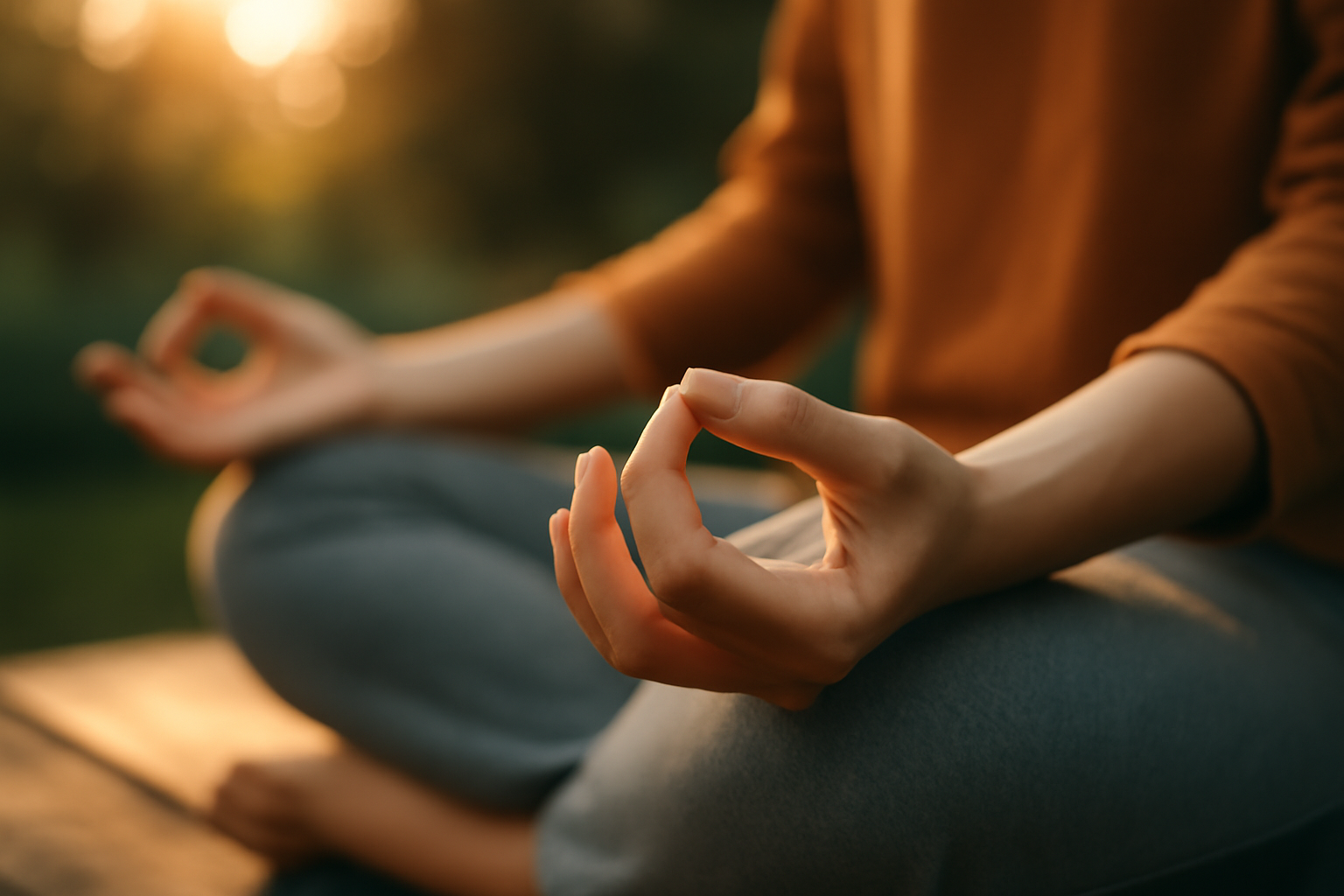
In a fast-paced world, the nervous system is frequently primed for rapid responses. Slowing down without panic matters because it supports emotional wellbeing by reducing the intensity of stress reactions, improving decision-making, and strengthening resilience over time. This skill isn’t about stopping stress from happening; it’s about learning to respond with deliberate tempo, so you can ride the wave rather than be overwhelmed by it.
Theoretical foundation
Biology of slowing down
When arousal rises, the body activates the fight‑flight‑freeze systems. Slowing down invites the parasympathetic branch of the nervous system to take the lead, lowering heart rate, easing muscle tension, and dampening the cognitive flood. Practices that support vagal regulation — like paced breathing and grounding — help shift the body from a state of heightened threat to a state of safety. Over time, this can expand your window of tolerance, allowing you to stay present without tipping into panic.
Psychological models
From a psychological perspective, slowing down involves interoceptive awareness (noticing internal bodily signals) and cognitive strategies such as labeling, reappraisal, and acceptance. Approaches like mindfulness and ACT (Acceptance and Commitment Therapy) encourage you to acknowledge arousal without judgment and to choose responses aligned with valued goals. The idea of “urge surfing”—treating impulses as waves that rise and fall — helps people ride discomfort rather than be overwhelmed by it.
How the technique works
- Pause and label. When you notice rising tension, name what you’re experiencing (e.g., “my chest feels tight, my thoughts are racing”).
- Slow, diaphragmatic breathing. Breathe in through the nose for about 4 counts, and out through the mouth or nose for about 6 counts. Let the exhale be longer than the inhale to encourage a gentle relaxation response.
- Ground and orient. Use grounding cues — describe 5 things you see, 4 you can touch, 3 you hear, 2 you smell, 1 you taste — to anchor attention in the present moment.
- Observe without judgment. Notice thoughts and sensations as temporary events rather than facts. You don’t have to fix them right away; you simply acknowledge them.
- Decide on a small next step. Choose a tiny, doable action that aligns with your current capacity (e.g., if you’re overwhelmed, sit with your back supported or take a short walk).
- Practice regularly. Repetition helps your nervous system recognize that slowing down is safe and accessible, not a failure to act.
What to expect when practicing
Initially, you may notice that arousal feels stubborn or that you momentarily resist pausing. That’s normal — the brain loves momentum. With consistent practice, you’ll likely experience shorter, less intense surges, easier return to baseline after stress, and a growing sense of control during challenging moments. Progress is often non-linear: some days feel smoother, others feel more turbulent. The key is returning to the pause when you notice yourself slipping into automatic hurry.
Conditions and situations it’s most effective for
- Situations involving anxiety, panic, or sudden stress (e.g., exams, deadlines, crowded or chaotic environments).
- Trauma-informed contexts where a calm, controlled response supports safety and processing.
- Situations requiring clear decision-making under pressure (e.g., driving, caregiving, or frontline work).
- Everyday life to replace habitual, reactive patterns with intentional responses.
While this approach can be powerful, it is not a substitute for medical or mental health treatment when needed. If panic is overwhelming, persistent, or associated with thoughts of self-harm, seek professional help promptly.
Timeline and practice plan
Developing the capacity to slow down without panic is a gradual process. A practical plan spans several weeks and builds skills gradually:
- Weeks 1–2: Learn the pause, practice diaphragmatic breathing in short rounds (4–6 breaths) several times daily, and begin simple grounding (naming sensory details). Keep a brief log of triggers and what helped.
- Weeks 3–4: Introduce the labeling step consistently, and try the “urge surfing” approach during mild discomfort. Practice in low to moderate stress contexts (e.g., commuting, chores).
- Weeks 5–8: Expand to slightly more challenging situations. Add a short reflective note after sessions: what worked, what didn’t, and how it felt in the body.
- Beyond two months: Integrate these methods into daily routines and stressful events. Aim for a regular practice window (even 5–10 minutes daily) and adjust techniques to fit personal needs and environment.
Consistency is more important than intensity. Over time, your nervous system learns that slowing down is a safe, reliable option, not a concession to weakness or failure.
When professional guidance is helpful
Guidance can be especially beneficial if you have a history of trauma, chronic panic, or significant anxiety that interferes with daily functioning. Trained professionals can tailor strategies to your needs, address avoidance patterns, and connect these techniques with evidence-based therapies such as CBT or ACT. If symptoms persist or worsen, or you have concerns about safety, seek evaluation from a clinician, and consider discussing whether pharmacological support could help alongside skills training.
Considerations for those interested
- Individual differences matter. Some people respond quickly, others require longer practice. Be patient and compassionate with yourself.
- Trauma-informed approach is recommended. If previous experiences with patience or slow methods feel triggering, adapt pace and choose environments that feel safe.
- Pair with other wellbeing practices. Pauses pair well with sleep hygiene, physical activity, healthy nutrition, and social support.
- Accessibility and safety. If sitting or lying down isn’t comfortable, adapt with standing grounding or gentle movements. Always prioritize safety in any activity.
- Resources and support. Consider consulting reputable sources or speaking with a mental health professional for personalized guidance.
Resources
⚠️ This content is for informational purposes only and is not a substitute for professional medical advice, diagnosis, or treatment. Always consult a licensed physician, psychiatrist, psychologist, or other qualified healthcare professional before making decisions about medications, mental health treatment, or alternative and holistic treatment.