
Seeking information about mental health is normal and important. This article offers clear, nonjudgmental explanations of psychological stress, why it matters, and practical steps you can take.
You’ll learn what stress is and why it happens, common signs to watch for, how it differs from everyday tension, when to seek help, and strategies to support yourself or someone you care about.
What psychological stress is and why it matters
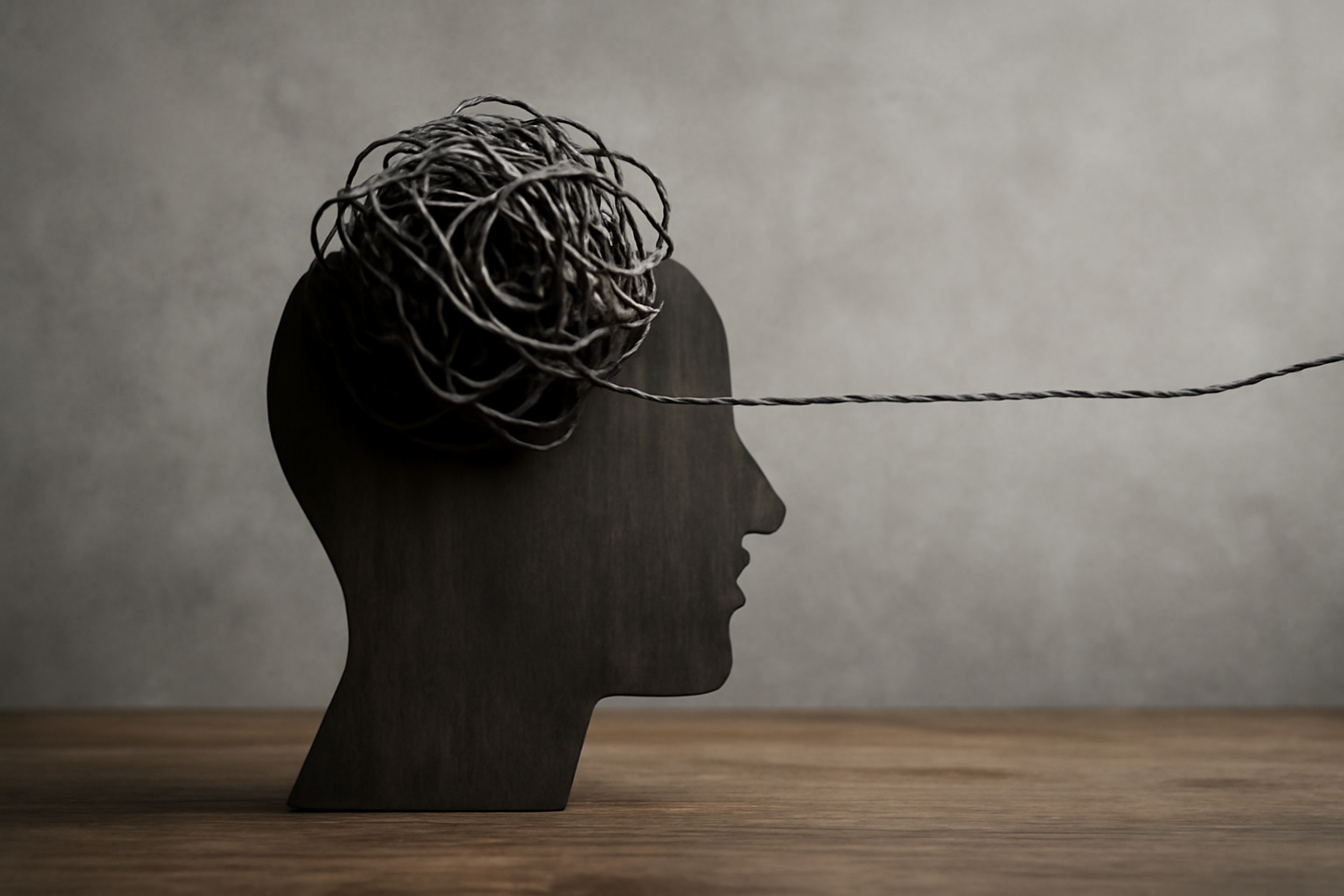
Psychological stress is the body’s and mind’s response to demands or threats that challenge our coping resources. It does not refer to a single emotion or moment, but to a complex set of reactions that can involve thoughts, feelings, bodily sensations, and behavior. Stress can arise from external events—like a demanding job, a difficult relationship, or a health concern—or from internal pressures, such as perfectionism or worry about the future.
In small doses, stress can be adaptive. It can sharpen focus, motivate action, and help people meet short-term challenges. When stress becomes persistent, intense, or poorly managed, it can contribute to a range of problems, from sleep disruption and headaches to anxiety, mood changes, and difficulties in daily functioning. Recognizing stress as a signal—rather than a personal flaw—can be an important step toward seeking supportive strategies and, if needed, professional help.
Common signs and manifestations
Stress can show up in different ways across physical, cognitive, emotional, and behavioral domains. Not everyone experiences all signs, and the presence of some symptoms does not automatically indicate a mental illness. The key is how these signs affect daily life and persist over time.
Physical signs
Body and physiology often respond first. Common physical signs include headaches or muscle tension (especially in the neck, shoulders, and back), rapid heartbeat or chest tightness, upset stomach, changes in appetite, sleep problems (trouble falling or staying asleep, or sleeping too much), and fatigue. Stress can also make illnesses feel more common or more severe over time.
Cognitive signs
Thinking can feel overloaded or unfocused. You might notice racing thoughts, difficulty concentrating, forgetfulness, indecisiveness, or constantly worrying about past or future events. Some people experience a sense of mental “fog” or slower thinking during periods of high stress.
Emotional signs
Emotions may shift quickly or feel unpredictable. Common emotional signs include irritability, mood swings, excessive worry, feeling overwhelmed, sadness, or a sense of dread. Stress can sometimes bring about a sense of detachment or numbness in response to ongoing strain.
Behavioral signs
Behavioral changes can show up as withdrawal from social activities, avoidance of situations, changes in work or school performance, reduced interest in hobbies, or increased use of substances such as alcohol or nicotine as coping mechanisms.
When these symptoms occur
Stress reactions often begin after a stressful event or during periods of ongoing pressure. Acute stress may flare up in response to a specific incident—such as a job loss, exam period, or caregiving crisis—and then lessen as the situation resolves. Chronic stress, however, persists over weeks or months and can accumulate, wearing down resilience and increasing the risk for health problems.
Some people are more susceptible to stress based on life stage, personality, previous experiences, or existing health conditions. For example, major life transitions (dating or marriage changes, parenthood, retirement), significant medical issues, financial strain, or discrimination and trauma can all contribute to sustained stress. It’s also common for children and teens to experience stress in response to school demands, social pressures, or family changes.
How stress differs from normal experiences
Everyone feels stressed from time to time. Normal stress is typically temporary, manageable, and proportionate to the situation. It does not severely impair your ability to sleep, concentrate, function at work or school, or enjoy daily life. When stress becomes disabling—or when it lasts beyond the duration of the triggering event—it’s a sign that additional support or intervention may be helpful. If stress is accompanied by persistent worry, panic, thoughts of harm, or a pattern of avoiding important activities, it’s important to seek professional guidance.
When to seek professional help
Consider reaching out to a healthcare or mental health professional if you notice any of the following more than occasionally, for several weeks or longer, or if stress is affecting safety or daily functioning:
- Persistent symptoms that interfere with sleep, work, school, or relationships.
- Worsening mood, frequent feelings of hopelessness, or thoughts of self-harm.
- Significant changes in appetite or weight, or substance use as a coping mechanism.
- Physical symptoms that don’t improve with self-care or that don’t have a clear medical cause.
Starting with a primary care provider can be a good first step. They can assess physical health, screen for anxiety or mood concerns, and refer you to mental health professionals such as psychologists, counselors, or psychiatrists if needed. If you are in immediate danger or have thoughts of harming yourself, seek emergency help right away or contact a crisis line in your area.
Helpful resources you can explore (these pages explain stress and mental health in clear terms and offer guidance on next steps):
Supportive strategies you can try
Evidence-based approaches, small lifestyle changes, and practical coping skills can make a meaningful difference. You don’t have to do everything at once; starting with a few manageable steps can gradually build resilience.
Self-care practices
- Establish regular sleep patterns: aim for consistent bed and wake times, and create a calming pre-sleep routine.
- Move your body: even short walks, gentle stretching, or brief workouts can reduce tension and improve mood.
- Eat regularly with balanced meals: regular meals support energy and mood stability; limit excessive caffeine or alcohol.
- Practice relaxation skills: diaphragmatic breathing, progressive muscle relaxation, or guided imagery can reduce acute stress responses.
- Limit overload: set realistic expectations, take breaks, and reduce multitasking when possible.
Attention to thoughts and emotions
- Identify automatic thoughts: notice when worry spirals begin and gently question their accuracy or usefulness.
- Practice grounding techniques: name five things you see, four you feel, three you hear, two you smell, one you taste to stay anchored in the present.
- Journaling: write about what’s happening, how you feel, and one small step you can take tomorrow.
Social support and boundaries
- Reach out to trusted friends or family: sharing concerns can lessen isolation and provide practical support.
- Set boundaries around work and obligations: clear limits can protect time for rest and personal needs.
- Consider a support group: connecting with others who share similar experiences can reduce loneliness and provide coping strategies.
Structured programs and professional help
- Therapy options: Cognitive Behavioral Therapy (CBT) can help reframe thoughts and behaviors; mindfulness-based approaches (such as MBSR) can improve awareness and emotion regulation.
- Medication considerations: for some, medications can be a helpful part of treatment when advised by a clinician; discuss options and expectations openly.
- Work or school accommodations: if stress stems from performance demands, therapeutic conversations or accommodations may improve functioning.
If you’re unsure where to start, a visit to a primary care clinician or a mental health professional can provide a personalized plan. You deserve support at every step, and seeking guidance is a constructive act of self-care.
⚠️ This content is for informational purposes only and is not a substitute for professional medical advice, diagnosis, or treatment. Always consult a licensed physician, psychiatrist, psychologist, or other qualified healthcare professional before making decisions about medications, mental health treatment, or alternative and holistic treatment.