
If you’re reading this to understand what you’re feeling, you’re not alone. Asking questions about mental health and symptoms is a normal, healthy step that can help you make sense of what’s happening and decide what to do next.
This article explains what depression is, why it matters, the common signs people notice, when these experiences tend to start, how they differ from normal mood fluctuations, when to seek professional help, and practical ways to support yourself or someone you care about. The tone is compassionate and non‑judgmental, with clear guidance you can use in everyday life.
What depression is and why it matters
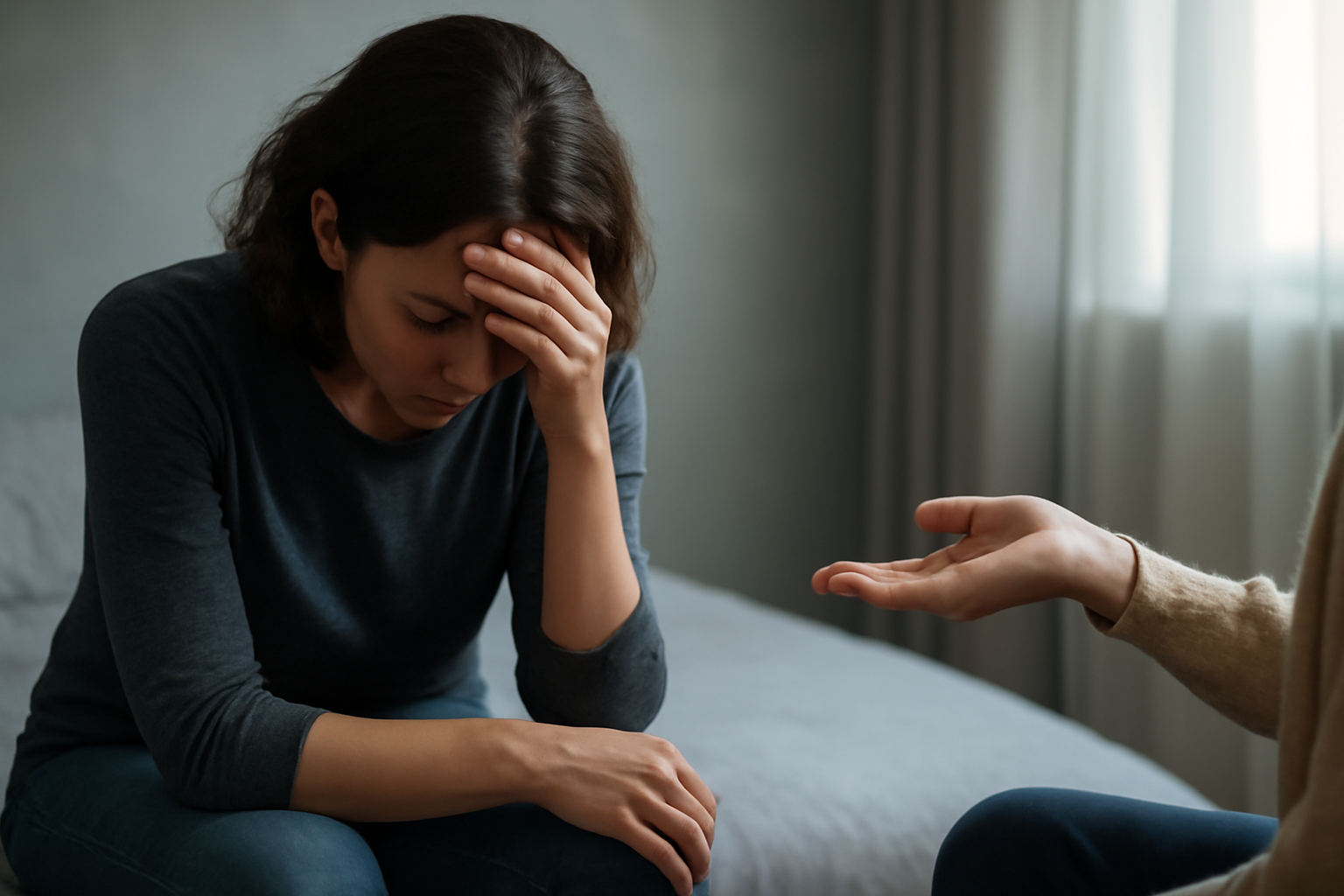
Depression is a medical condition that affects mood, thoughts, energy, sleep, appetite, and daily functioning. It’s more than feeling sad for a day or two; it involves persistent symptoms that last for weeks or longer and that interfere with living a full, meaningful life. Depression can vary in intensity and how it shows up from person to person, but it is treatable. Recognizing it as a health issue—rather than a sign of personal weakness or character flaws—can help reduce stigma and encourage people to seek help.
Understanding depression matters because untreated symptoms can affect relationships, work or school performance, physical health, and overall well‑being. With appropriate support—such as therapy, lifestyle adjustments, and, when needed, medication—many people experience substantial improvement or recovery. If you find yourself saying, “I am depressed,” know that this description reflects a real set of experiences that deserve attention and care.
For reliable information, you can explore resources from trusted health organizations, which describe what depression is, how it is diagnosed, and how it’s treated:
Common signs and manifestations
Depression can express itself in a mix of emotional, physical, and behavioral changes. Not everyone will have all symptoms, but several persistent signs together strongly suggest mood trouble. Watch for a pattern of symptoms that lasts most of the day, nearly every day, for at least two weeks or longer.
- Persistent sadness, empty mood, or tearfulness
- Loss of interest or pleasure in activities once enjoyed
- Changes in appetite or weight (increase or decrease)
- Sleep problems, such as insomnia or sleeping too much
- Low energy or fatigue that makes everyday tasks feel exhausting
- Feelings of worthlessness, excessive guilt, or hopelessness
- Difficulty concentrating, making decisions, or remembering details
- Restlessness or slowed movements and speech
- Recurring thoughts of death or suicide, or self-harming behaviors
Depression can also affect physical health, causing headaches, back pain, or a sense of being “not well” without a clear medical cause. If you’re saying, “I am depressed,” these signs may be part of a pattern that deserves evaluation by a clinician.
If you’re looking for more information, the following resources describe common symptoms in detail:
When these symptoms typically occur
Depression can emerge at any age, but it often begins in late adolescence or early adulthood. It may develop gradually after a difficult life event—such as a breakup, the loss of a loved one, or stress at work—or appear more suddenly after a period of ongoing strain. Some people experience a depressive episode following a medical illness, while others may have recurrent periods of depression across years.
In some cases, depressive symptoms follow a seasonal pattern (seasonal affective disorder), with mood and energy changes that align with shorter daylight hours. Postpartum depression is another example, where mood changes occur after childbirth. If you notice persistent mood changes during certain times of the year or after major life events, it can be a signal to seek assessment and support.
Important considerations about onset include:
- Duration: Symptoms lasting more than two weeks are typically considered for evaluation, especially if they impair daily functioning.
- Impact: When daily responsibilities—work, school, caring for others, or self-care—are consistently affected, professional input is helpful.
- Risk factors: A family history of depression, trauma, chronic illness, substance use, or ongoing stress can increase risk.
How these experiences differ from normal mood fluctuations
Everyone experiences sadness or low energy from time to time. The distinguishing factors of depression include its persistence, breadth, and impact. Normal sadness tends to be proportionate to events, fluctuates with life circumstances, and allows for moments of positive feeling. Depression, by contrast:
- Persists for weeks or months without relief
- Affects almost every part of life, not just mood
- Reduces interest in activities you once enjoyed
- Causes significant changes in sleep, appetite, or energy
- Includes feelings of worthlessness, guilt, or thoughts of death or self-harm
- Is not solely attributable to substances or other medical conditions
If you notice these patterns, it’s worth talking to a clinician who can assess whether depression is present and discuss treatment options.
When to seek professional help
If you’re worried about your mood or you’ve been experiencing several of the above signs for more than a couple of weeks, consider reaching out to a health professional. Early help can prevent symptoms from worsening and can shorten the duration of an episode.
Seek immediate help if you have thoughts of harming yourself or others, or if you feel you might act on those thoughts. In many places, you can contact emergency services or a crisis line at any time.
- Make an appointment with a primary care clinician, who can screen for depression and refer you to mental health specialists if needed.
- Ask for a same‑day or urgent appointment if your symptoms are severe or you’re worried about safety.
- Discuss treatment options, which may include psychotherapy (such as cognitive-behavioral therapy or interpersonal therapy), and, in some cases, medication.
- Inform a trusted friend or family member about how you’re feeling so they can support you and help you follow through with care.
For more detailed information about treatment approaches, see:
If you’re in immediate danger or feel unable to keep yourself safe, contact your local emergency number or crisis services right away. If you’re in the United States, you can call or text 988 to reach the Suicide & Crisis Lifeline or visit 988 Lifeline.
Supportive strategies that can help
While you pursue professional care, several everyday strategies can support your mood and energy. These are practical steps you can try at your own pace, recognizing that different approaches work for different people.
- Establish a simple daily routine: wake, eat, move, and sleep at regular times as tolerated.
- Prioritize sleep hygiene: small changes in bedtime routine, a comfortable sleep environment, and limiting caffeine late in the day.
- Move your body regularly, even in short walks or gentle stretching. Physical activity can improve mood and energy over time.
- Eat regular, balanced meals. Nutrition supports brain function and overall energy.
- Limit alcohol and avoid recreational drugs, which can worsen mood and sleep.
- Find small, reachable goals to reduce overwhelm and provide a sense of accomplishment.
- Reach out to trusted people. A brief check-in or a shared activity can reduce isolation.
- Practice grounding or mindfulness techniques when distress rises, such as deep breathing or noticing five things you can see, hear, or feel.
- Limit exposure to distressing news or social media if it worsens mood or anxiety.
Self‑care is important, but it does not replace professional treatment. If your symptoms interfere with daily life or you’re worried about safety, seek professional help as soon as you can.
Additional resources for understanding and managing depression:
⚠️ This content is for informational purposes only and is not a substitute for professional medical advice, diagnosis, or treatment. Always consult a licensed physician, psychiatrist, psychologist, or other qualified healthcare professional before making decisions about medications, mental health treatment, or alternative and holistic treatment.