
Mental stress is a normal response to life’s pressures that can affect thoughts, feelings, and daily functioning.
What mental stress is and why it matters
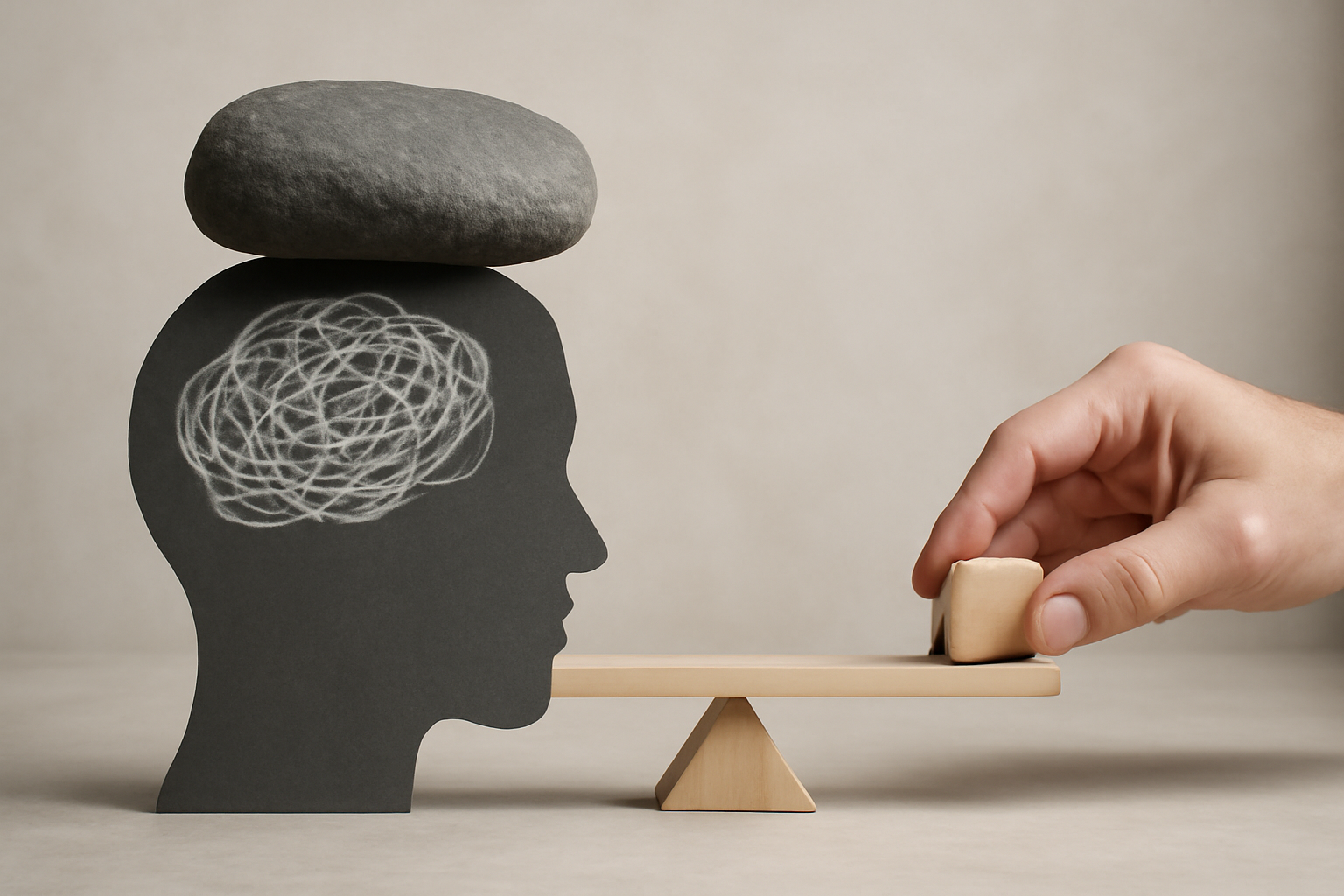
Mental stress is the emotional, cognitive, and physical response to perceived demands, threats, or challenges. It can arise from work deadlines, relationship changes, financial pressures, health concerns, or major life transitions. In small amounts, stress can help you stay focused and energized. It can push you to plan, prepare, and perform. When stress becomes frequent, intense, or lasts a long time, it can affect mood, thinking, sleep, and physical health.
Significance matters because ongoing mental stress is linked with a higher risk of sleep problems, headaches, stomach issues, high blood pressure, and difficulties with mood and concentration. It can also influence immune function and overall well‑being. Recognizing stress early gives you a chance to respond with coping strategies, seek support, and prevent it from escalating into more persistent concerns.
Common signs and manifestations
Mental stress can show up in many ways. People may notice a mix of emotional, cognitive, physical, and behavioral changes.
- Emotional signs: irritability or moodiness, feeling overwhelmed, anxiety or worry, sadness, a sense of hopelessness, or a sense that things are not under control.
- Cognitive signs: racing or intrusive thoughts, difficulty concentrating, forgetfulness, indecision, or mind going blank during tasks.
- Physical signs: headaches, muscle tension (particularly in the neck and shoulders), trouble sleeping or oversleeping, fatigue, stomach upset, chest tightness, or rapid heartbeat.
- Behavioral signs: withdrawal from friends or activities, changes in appetite, increased use of substances (alcohol, tobacco, or other drugs), procrastination, or changes in work or school performance.
It’s common for signs to appear together. For example, poor sleep (physical) can amplify worry (emotional) and make concentrating (cognitive) harder. People also notice different patterns at different times—stress may spike during busy seasons or after a particular event, then ease as circumstances change.
When these symptoms typically occur
Stress tends to intensify during periods of sustained demand or major life changes. Typical scenarios include:
- Work or school deadlines, heavy workloads, or job insecurity
- Significant life changes such as moving, starting or ending a relationship, or parenting during challenging phases
- Health concerns, either personal or of a loved one
- Financial pressures or caregiving responsibilities
- Loss, grief, or major disruptions in routine
For many people, stress peaks during the moment of the demand and then eases as the demand passes. When stress is persistent—lasting weeks or months or returning repeatedly—it may indicate that the stress response is staying activated and could benefit from support.
How mental stress differs from normal experiences
It’s normal to feel tense or worried from time to time. The key differences between everyday stress and mental stress that may require attention are duration, intensity, and impact on daily life.
- Duration: Normal stress typically fluctuates with the situation. Mental stress becomes ongoing if it lingers beyond the triggering event or repeats without relief.
- Intensity: When thoughts, feelings, or physical symptoms become overwhelming or constant, they can interfere with functioning.
- Impact on functioning: If stress makes it hard to sleep, concentrate, work, study, or maintain relationships, it’s a signal to pause and seek support.
Distinguishing normal stress from more persistent distress helps determine when simple self‑care is enough and when professional guidance might help restore balance.
When to seek professional help
If stress is causing significant disruption or you’re unsure how to cope, consider reaching out to a professional. Seek help sooner rather than later if you notice:
- Persistent symptoms for more than two to four weeks, or they’re worsening
- Thoughts of self-harm or harming others
- Sleep problems or appetite changes that don’t improve with self‑care
- Difficulty carrying out daily activities at work, school, or home
- Substance use to cope, or if stress is affecting personal safety or relationships
If you ever feel you might be in immediate danger, contact local emergency services right away. You can also speak with a trusted clinician, primary care provider, or a mental health professional to discuss options such as therapy, stress management strategies, or, in some cases, medications.
If you’re looking for reliable information online, consider reputable sources such as:
- NHS: Stress, anxiety and depression
- American Psychological Association: Stress
- Mind: Stress information
Supportive strategies to manage mental stress
The following approaches can help reduce distress and improve functioning. They are useful on their own and can be combined with professional care when needed.
- Prioritize sleep and routines: aim for regular bedtimes, wind-down rituals, and a comfortable sleep environment. Consistent sleep helps mood and energy levels.
- Move mindfully: regular physical activity, even a 20–30 minute walk or gentle stretching, can lower muscle tension and improve mood.
- Breathing and relaxation: try slow diaphragmatic breathing, 4-7-8 breathing, or progressive muscle relaxation to reduce immediate tension.
- Grounding and present-moment practices: grounding techniques (such as naming five things you see, four you can touch, three you hear) can reduce rumination during stress spikes.
- Structure tasks and set boundaries: break large tasks into small steps, set realistic deadlines, and protect time for rest and activities you enjoy.
- Healthy coping over avoidance: choose constructive activities (conversation, journaling, hobbies) rather than relying on alcohol or other substances.
- Social support: talk with trusted friends, family, or colleagues. Sharing concerns can reduce isolation and offer helpful perspectives.
- Cognitive strategies: notice unhelpful thoughts, challenge them with evidence, and reframe to more balanced perspectives (e.g., “I can cope with this” instead of “This will ruin everything”).
- Time-management and prioritization: identify urgent vs. important tasks, delegate when possible, and learn to say no when needed.
- Professional help and resources: consider counseling, psychotherapy, or stress-management programs. Pharmacological options may be discussed with a clinician if appropriate.
If you’d like tailored guidance, a clinician can help you develop a personalized plan that fits your life, culture, and values. Remember that seeking support is a sign of strength and a proactive step toward long‑term well‑being.
⚠️ This content is for informational purposes only and is not a substitute for professional medical advice, diagnosis, or treatment. Always consult a licensed physician, psychiatrist, psychologist, or other qualified healthcare professional before making decisions about medications, mental health treatment, or alternative and holistic treatment.