
Understanding vitamin therapy for mental health matters because nutrients influence brain chemistry, mood, energy, sleep, and resilience to stress. When we’re nutrient-smart, we can support brain function alongside other treatments. This article outlines what vitamins matter, what the evidence shows, how to recognize deficiencies, how to dose safely, and how vitamin therapy can fit with standard care.
Whether you’re curious about supplements or already pursuing vitamin support, the goal is informed, practical guidance you can discuss with your clinician. This is not a substitute for professional care, but a framework for thoughtful, personalized decisions.
Which vitamins affect mental health
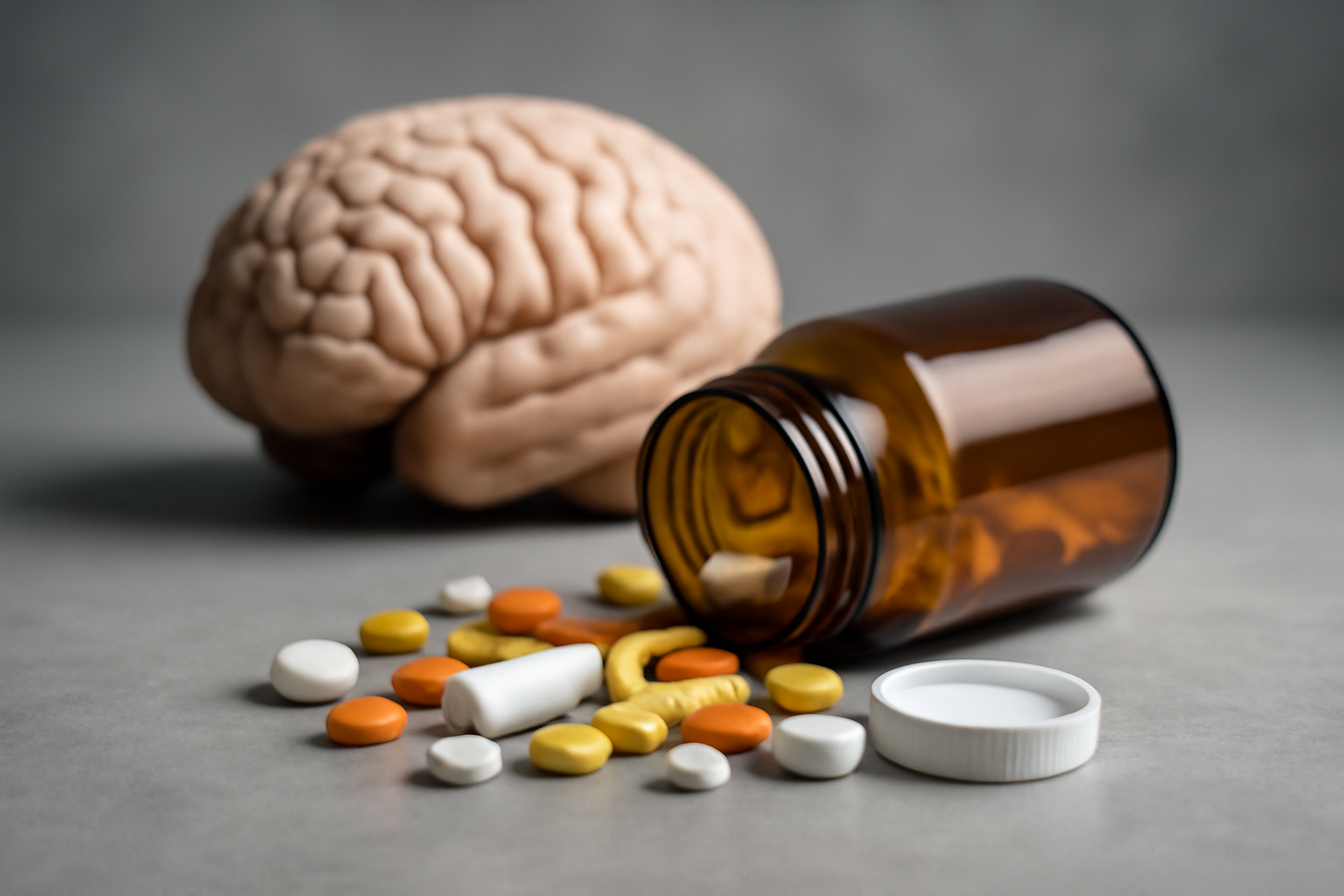
Several vitamins play key roles in brain function, mood regulation, energy production, and stress responses. Here are the main ones commonly discussed in the context of mental health:
Vitamin D
Vitamin D receptors are present throughout the brain, and deficiency has been associated with depressive symptoms in observational studies. It may influence mood through inflammatory pathways and neurotransmitter regulation. It’s important to distinguish association from causation, and to consider testing if you have risk factors for deficiency. For reliable facts on vitamin D, see the NIH fact sheet: Vitamin D facts.
B vitamins: B12, Folate (B9), and B6
B vitamins are essential cofactors in neurotransmitter synthesis and methylation reactions that affect mood and cognition. B12 deficiency can cause fatigue, memory changes, and mood disturbances, while folate status has been linked to mood regulation and response to antidepressants in some people. You’ll find helpful background on these vitamins at the NIH B12 and Folate fact sheets: Vitamin B12 and Folate. For a broader look at B vitamins in mental health, your clinician may discuss how methylation supports mood and energy.
Vitamin C
As an antioxidant, vitamin C helps protect brain cells from oxidative stress and supports stress responses. While its direct impact on mood isn’t as well established as D or B vitamins, adequate vitamin C status supports overall brain health and fatigue reduction in some contexts. See general vitamin C information in NIH resources: Vitamin C facts.
Other considerations
Other nutrients, including omega-3 fatty acids (though not vitamins), iron, zinc, and magnesium, also influence mood and cognitive function. Omega-3s, in particular, have been studied for depressive symptoms and may complement vitamin strategies for some individuals. For background on omega-3s, see the NIH omega-3 fact sheet and evidence summaries: Omega-3 fatty acids facts and Hesitation around supplements? consult a clinician for personalized guidance.
Evidence for vitamin supplementation
Research on vitamin supplementation for mental health is nuanced. Some people experience improvements when they are deficient, while others see limited benefit if their levels are already adequate. Here is a snapshot of the evidence landscape:
Vitamin D — Randomized trials and meta-analyses suggest that supplementation may help improve depressive symptoms in people with vitamin D deficiency, but results are variable and not universal. Deficiency status appears to matter for potential benefit, and dose should be guided by testing and clinician advice. For background reading, see the NIH Vitamin D facts and related research summaries linked above.
Omega-3 fatty acids — A substantial body of evidence, including meta-analyses, supports a modest benefit of omega-3s (particularly EPA-rich formulations) for depressive symptoms in some adults, with greater consistency in those with a diagnosed mood disorder or inflammatory conditions. It’s not a stand-alone treatment for everyone, but may complement antidepressants or psychotherapy in selected cases. See the Cochrane review on omega-3s for depression and related resources: Omega-3 fatty acids and depression (Cochrane Review) and Harvard Health’s overview of omega-3s and mood: Omega-3s and depression.
B vitamins and folate — Some studies suggest that B vitamins, particularly methylfolate (a metabolically active form of folate), may enhance antidepressant response in certain people, especially when levels are low or when medications target methylation pathways. The evidence is strongest for specific subgroups, rather than the general population. Learn more about folate and B12 from NIH fact sheets cited above.
Overall, the message is nuanced: supplementation may help when a deficiency exists or when used as an adjunct to standard treatments, but it is not a universal cure or substitute. Always discuss supplementation with a healthcare provider who understands your medical history, current medications, and mental health plan.
Deficiencies and mental health symptoms
Recognizing deficiency signs can help guide testing and treatment decisions. Note that many symptoms are non-specific and overlap with other conditions. If you suspect a deficiency, consult a clinician for testing and interpretation.
- — Fatigue, persistent low mood or depressive symptoms, sleep disturbances, muscle or bone pain, increased risk of infections; risk factors include limited sun exposure, darker skin, older age, and obesity.
- — Fatigue, weakness, numbness or tingling in hands/feet, cognitive changes, memory problems, mood swings, and irritability; more common in older adults and those with absorption issues (e.g., pernicious anemia, certain gut conditions).
- — Fatigue, irritability, trouble concentrating, tongue changes, and, in severe cases, mood disturbances or depressive symptoms; risk factors include poor nutrition and malabsorption disorders.
- — Fatigue, gum problems, easy bruising, and impaired immune response; rare in developed countries but possible with very limited intake or certain health conditions.
Iron deficiency and other mineral imbalances can also contribute to fatigue and cognitive symptoms that mimic or accompany mood changes. If you have ongoing mood concerns with unexplained fatigue, consider a full nutrient panel discussed with your clinician.
Dosing and safety
Safe dosing depends on age, baseline status, health conditions, and medications. The following are general guidelines and should not replace medical advice. When in doubt, obtain a doctor’s prescription or guidance and have labs interpreted by a clinician.
- Vitamin D — Many adults aim for 600–800 IU daily, but higher doses (e.g., 1,000–2,000 IU daily) may be used under supervision to correct a deficiency. The tolerable upper intake level for adults is 4,000 IU per day, but monitoring is important to avoid hypercalcemia.
- Vitamin B12 — Typical oral doses range from 100–1,000 mcg daily for deficiency prevention; higher doses may be used for deficiency treatment, especially in people with absorption issues. B12 is generally safe even at high doses, but megadoses should be medically supervised.
- Folate (folic acid) — General adults: 400 mcg daily; for pregnancy or specific conditions, clinicians may recommend higher doses (up to 800 mcg). Do not exceed the upper guidance without medical advice, particularly if you have a history of seizures or interact with certain medications.
- Vitamin B6 — Daily recommendations around 1.3–1.7 mg for adults, but some guidelines allow up to 25–100 mg/day in certain therapeutic contexts for short periods. Long-term high-dose B6 can cause neuropathy, so use under supervision.
- Vitamin C — Common supplemental doses range from 75–200 mg daily; high-dose regimens are sometimes used in research but can cause GI upset or kidney stones in susceptible individuals.
Key safety reminders:
- Fat-soluble vitamins (A, D, E, K) can accumulate in the body. Avoid high, unmonitored intake.
- Some vitamins interact with medications (for example, certain antidepressants, anticonvulsants, and anticoagulants). Always check with a clinician before starting or stopping supplements.
- Pregnant individuals or those planning pregnancy should follow clinician guidance on folate and other vitamins.
Supplements should be quality-assured (look for third-party testing) and taken as directed. If you have kidney disease, liver disease, a history of vascular problems, or are elderly, seek specialized advice before higher-dose supplementation.
How vitamin therapy complements treatment
Vitamin therapy is best viewed as complementary to established treatments for mental health, not a substitute. It can support interventions such as psychotherapy and pharmacotherapy by addressing nutritional gaps, reducing fatigue, and supporting cognitive function. In practice, clinicians may:
- Assess baseline nutrient status as part of a holistic mental health plan.
- Recommend targeted supplementation for documented deficiencies (e.g., correcting a low vitamin D level to optimize mood alongside therapy).
- Use folate/ methylfolate strategies in conjunction with antidepressants for certain patients who show a specific response pattern or genetic profile (e.g., methylation pathways).
- Encourage dietary improvements that provide steady, whole-food sources of vitamins and minerals, supporting sustained mood and energy.
If you’re considering vitamin therapy, have a conversation with your primary care clinician, psychiatrist, or a registered dietitian about your symptoms, current meds, medical history, and pregnancy status (if applicable). They can help design a plan that aligns with your overall treatment goals.
When to consider testing and supplementation
Testing can be useful when mood symptoms are new, severe, or persistent, or when there are risk factors for nutrient deficiencies. Common tests include:
- 25-hydroxy vitamin D level to assess vitamin D status.
- Vitamin B12 and folate levels to evaluate neural signaling and methylation capacity.
- Complete blood count (CBC) and iron studies if fatigue or cognitive symptoms are prominent.
- Homocysteine level in some cases, which can reflect B vitamin status and metabolic health.
Supplementation may be considered if a deficiency is confirmed or if there is a compelling clinical rationale (e.g., persistent low energy and mood symptoms with documented low nutrient status). Periodic monitoring ensures levels stay within an appropriate range and reduces the risk of adverse effects.
Accessibility varies by region, so discuss local testing options with your clinician. If tests are normal but symptoms persist, a clinician may explore other contributing factors such as sleep, stress, thyroid function, and psychosocial factors.
Important precautions
Vitamin therapy is not without risk. Keep these precautions in mind to minimize harm:
- Do not self-diagnose or self-treat ongoing mood or cognitive symptoms with high-dose vitamins. Work with a clinician to interpret results and tailor dosing.
- Inform all healthcare providers about supplements you take to avoid interactions with medications or other therapies.
- Avoid megadoses of fat-soluble vitamins, which can lead to serious toxicity.
- Be cautious with pregnancy, kidney disease, liver disease, and certain chronic conditions; these factors affect dosing and safety.
- Quality matters: choose reputable brands with third-party testing, and verify ingredient lists to avoid contaminants or unlisted substances.
- Remember that supplements supplement, not replace, a comprehensive mental health care plan including therapy, lifestyle strategies, and prescribed medications when indicated.
If you experience new mood symptoms, severe headaches, unusual fatigue, or signs of allergic reaction after starting a supplement, contact your clinician promptly.
Practical steps to start thoughtfully
- Discuss your symptoms and goals with a clinician who understands nutrition and mental health.
- Ask about testing to identify potential deficiencies before starting long-term supplementation.
- Request evidence-based guidance on dosing and monitoring, especially for vitamin D, B12, and folate.
- Adopt a nutrient-rich diet that includes vitamin-Dic contributors (fatty fish, fortified foods, sun exposure where appropriate), B vitamins (lean proteins, dairy, fortified grains), and plenty of fruits and vegetables to support overall brain health.
- Keep a simple symptom and mood diary to track changes alongside any supplementation and therapy you’re pursuing.
Remember: supplements are just one part of a broader plan. A well-rounded approach that includes sleep, stress management, physical activity, social connection, and evidence-based therapies often yields the best outcomes for mental health.
⚠️ This content is for informational purposes only and is not a substitute for professional medical advice, diagnosis, or treatment. Always consult a licensed physician, psychiatrist, psychologist, or other qualified healthcare professional before making decisions about medications, mental health treatment, or alternative and holistic treatment.