
Understanding how homeopathy fits into anxiety care is important because anxiety is common, personal, and multifaceted. This guide offers a clear, balanced overview of what it is, how it’s used for anxiety, what remedies are commonly considered, what research suggests, what to expect in treatment, how to find a qualified practitioner, and the key limitations to keep in mind.
By presenting the ideas, evidence, and practical steps, this post aims to help you ask informed questions, weigh options, and decide what combination of approaches — homeopathy, conventional care, and lifestyle strategies — feels right for you.
What is homeopathy?
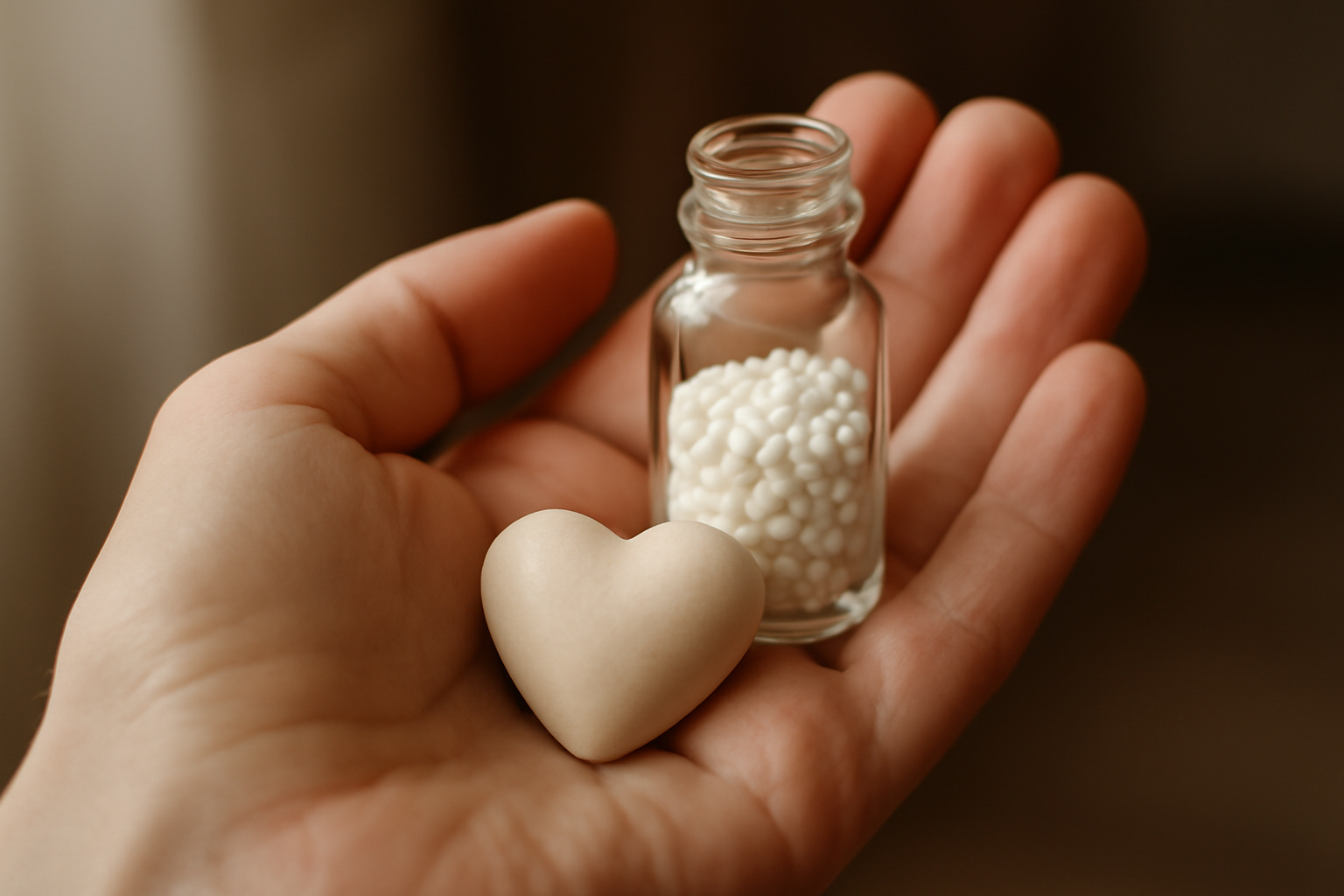
Homeopathy is a system of medicine developed in the late 18th century by Samuel Hahnemann. It rests on two core ideas: “like cures like” and the principle of potentization through serial dilutions and succussion. Proponents argue that highly diluted substances can stimulate the body’s own healing responses. Practitioners emphasize a holistic view, considering physical symptoms, emotional state, personality, and lifestyle in a single, individualized picture.
In practice, remedies are chosen based on a detailed consultation that goes beyond the presenting complaint. The same symptom might lead to different remedies depending on the person’s overall mental and emotional pattern. Remedies are typically given in very dilute forms, and many people report safety and tolerability when prescribed by a qualified practitioner, though you may notice a temporary adjustment period as the body responds.
How does homeopathy approach anxiety?
In homeopathy, anxiety is not treated as a single disorder but as a symptom pattern linked to the person as a whole. The approach aims to match the remedy to a constellation of mental and emotional signs — such as fear, worry about health or the future, irritability, sleep disruption, or physical symptoms triggered or worsened by stress — rather than to anxiety alone. This individualized method means two people with the same diagnosis might receive different remedies if their emotional portraits differ.
Treatment often involves exploring triggers, coping style, past experiences, and personality traits. Practitioners favor patient empowerment and lifestyle considerations — sleep patterns, routine, nutrition, stress management techniques — as part of the overall plan. The idea is to support balance in the person’s vital energy and resilience, rather than just suppressing anxious thoughts.
Common remedies used for anxiety
Remedies in homeopathy are selected from a large materia medica and are highly individualized. Below are some remedies that frequently appear in anxiety-related cases, along with the kinds of patterns they are commonly associated with. This is not a recommendation to self-prescribe; a qualified homeopath will tailor choices to your full picture.
- Aconite napellus (Aconite): acute fear or panic after a shock, with restlessness and a need for reassurance.
- Argentum nitricum: anticipatory jitters before events, often with a strong desire for sweets and a tendency toward impatience or impulsivity.
- Gelsemium sempervirens: dull fear, stage fright, or looming dread with heaviness, weakness, and a slowed response to stress.
- Kali phosphoricum: nervous exhaustion from overwork or study, with mental confusion and irritability.
- Phosphoricum acidum: emotional exhaustion after prolonged stress, with weepiness, apathy, and fatigue.
- Lycopodium clavatum: insecurity, fear of failure, need for reassurance, sometimes digestive symptoms with anxiety.
- Ignatia amara: mood swings after grief or emotional shock, with sighing, brooding, and sensitivity to emotional stimuli.
- Pulsatilla nigricans: changeable moods, seeking comfort and reassurance, sensitivity to sympathy, and insomnia related to worry.
Remember, these patterns are general guidelines. A homeopath will consider many nuances, including personality, history, and current stressors, before selecting a remedy.
Evidence and research
Research on homeopathy for anxiety is mixed and often inconclusive. High-quality reviews frequently conclude that the therapeutic effects observed in some studies are not robust enough to distinguish from placebo, and results vary across trials. Methodological challenges — such as small sample sizes, blinding difficulties, and publication bias — make it hard to draw firm conclusions about efficacy for anxiety disorders specifically.
Experts generally agree that more rigorous, transparent research is needed to determine whether any meaningful benefit beyond placebo exists. Mechanistic explanations for how highly diluted substances could produce changes are not supported by established pharmacology, which fuels ongoing debate in the medical community. For many people, experiences with homeopathy are shaped by personal beliefs, the quality of the practitioner relationship, and the broader context of self-care.
For those seeking objective information, consider reputable sources that summarize current evidence. The NHS offers a consumer-focused overview of homeopathy and its role in the health system. You can read more here: NHS: Homeopathy.
Another respected resource is the National Center for Complementary and Integrative Health (NCCIH), which explains what homeopathy is and what the science says about its effects. See: NCCIH – Homeopathy.
What to expect from treatment
When you start a course with a homeopath, you’ll typically begin with a thorough intake that covers current symptoms, medical history, emotional state, lifestyle, and goals. Depending on the practitioner’s approach, the initial visit may take 60 to 90 minutes. After that, remedies are usually taken as small doses, often in tablet or liquid form, and a plan for follow-up is set.
Remedies are not intended to replace urgent mental health care when needed. If anxiety includes dangerous symptoms such as severe panic attacks, thoughts of self-harm, or motor or autonomic disturbances, seek immediate medical attention. For many people, homeopathy is used as a complementary approach alongside conventional treatments such as psychotherapy, appropriate medications when indicated, and lifestyle adjustments. Some individuals notice changes within a few weeks; for others, it may take several months and regular follow-ups to refine the remedy and dosing as symptoms shift.
Adverse effects from homeopathic remedies are generally rare. In some cases, people report a temporary intensification of symptoms, known as a homeopathic aggravation, followed by improvement. If you experience persistent worsening, consult your practitioner or seek conventional care as needed.
Finding qualified homeopaths
To maximize safety and ensure thoughtful care, look for practitioners who have formal training and are part of a recognized professional community. Steps to take include:
- Ask about education and licensure in your country or region, and whether they participate in a professional association.
- Request details about their approach to anxiety, including how they select remedies and what supportive strategies they propose (sleep, stress management, journaling, or mindfulness).
- Check that they coordinate with your current healthcare providers and disclose any medications you’re taking.
- Inquire about dosage schedules, expected timelines, and what to do if symptoms worsen or do not improve.
- Ensure clear information about fees, accessibility, and whether sessions are in person or virtual.
In regions where homeopathy is well integrated into healthcare, you may find practitioners affiliated with accredited colleges or clinics. If possible, ask for patient references or look for reviews that speak to the practitioner’s listening skills, thoroughness, and safety practices.
Important considerations and limitations
- Individualization matters: unlike one-size-fits-all approaches, homeopathy emphasizes a unique remedy per person, which can mean multiple consultations and tailored adjustments over time.
- Evidence varies: robust conclusions about efficacy for anxiety are lacking; many users report personal benefit, but outcomes are not uniform across populations.
- Complementary role: for many people, homeopathy works best when combined with evidence-based treatments like therapy or medication when indicated, plus lifestyle changes.
- Safety and regulation: product quality varies by country. Always obtain remedies from reputable sources and inform your healthcare team about all substances you take.
- Emergency risk: do not rely on homeopathy in emergencies or for severe anxiety or panic; seek urgent care when needed.
- Pregnancy and lactation: discuss with a clinician, as some remedies and regimens may require special consideration.
If you’re curious about trying homeopathy for anxiety, start with a candid conversation with your primary care provider or a licensed mental health professional. They can help you weigh the potential benefits and limitations and coordinate care that respects your values, safety, and overall well-being. You can also explore evidence-based mental health resources to complement any complementary approaches you consider using.
⚠️ This content is for informational purposes only and is not a substitute for professional medical advice, diagnosis, or treatment. Always consult a licensed physician, psychiatrist, psychologist, or other qualified healthcare professional before making decisions about medications, mental health treatment, or alternative and holistic treatment.