
Traditional Chinese Medicine (TCM) approaches mental health by treating the person as a whole, seeking to restore balance between mind, body, and emotions. Its therapeutic foundation rests on the idea that harmony of qi (vital energy), blood, yin and yang, and the organ networks governing the body underpins emotional well‑being. By identifying patterns of imbalance, TCM aims to address root causes rather than symptoms alone, using a personalized mix of herbs, acupuncture, lifestyle guidance, and mind–body practices.
With its holistic lens, TCM treats mood and emotional health as interwoven with physical health, sleep, digestion, and stress response. Treatments are individualized, often combining several modalities to support resilience, reduce distress, and promote sustained vitality. This approach can be used alone or alongside conventional mental health care, with careful communication between practitioners to ensure safety and coordination.
Core principles of Traditional Chinese Medicine
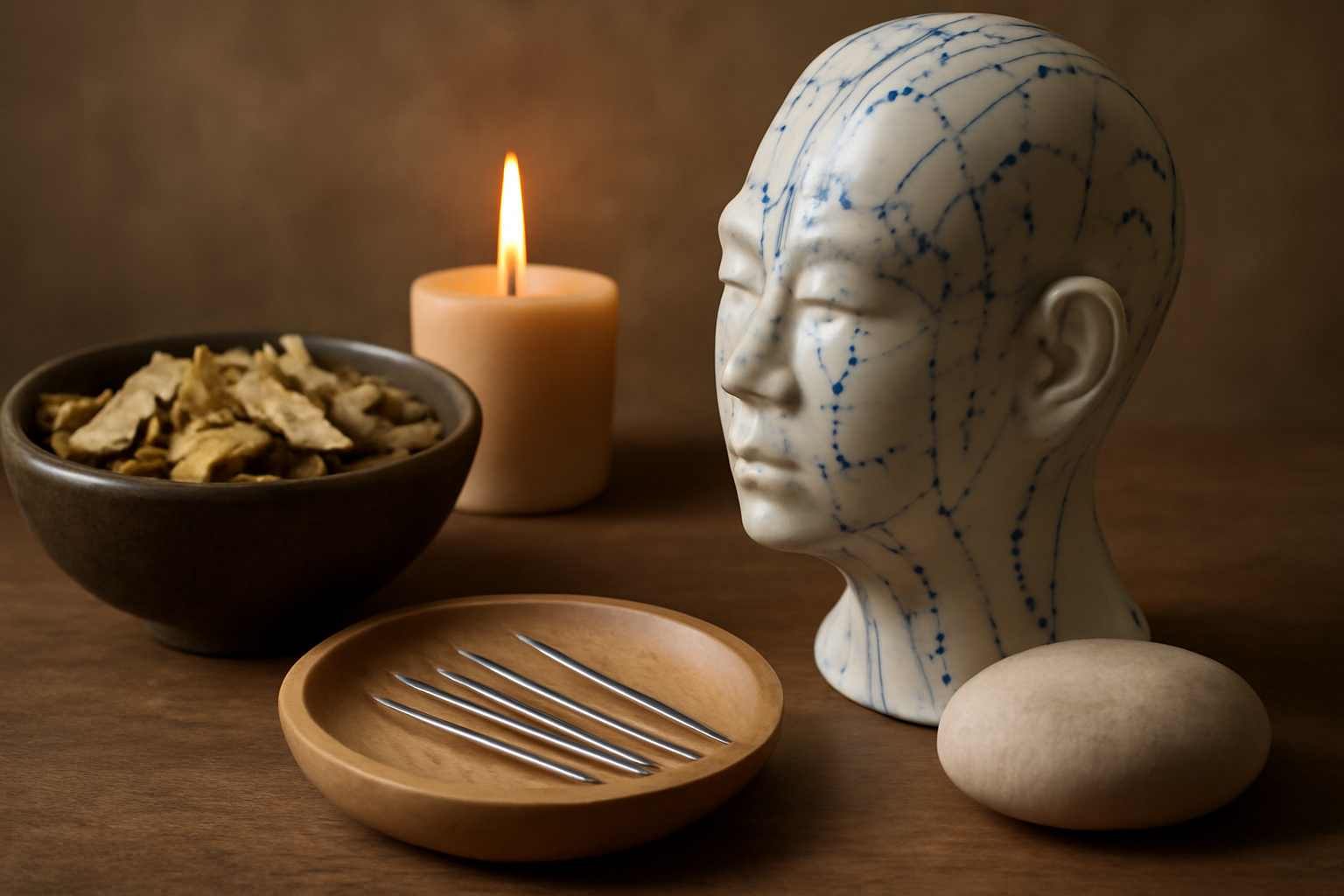
- Qi, Blood, Yin and Yang: TCM sees emotional balance as a flowing, unobstructed qi along with adequate blood and balanced yin and yang. Disruptions may manifest as worry, irritability, tension, or low mood, and therapies aim to restore smooth flow and balance.
- Five Elements and zang-fu organs: Wood, Fire, Earth, Metal, and Water correspond to patterns of emotional and physiological function. The Heart, Spleen, Lungs, Liver, and Kidneys (the zang organs) work in a network to generate mood, intentional thinking, sleep, and general vitality (the fu organs). For example, Liver dysfunction may relate to blocked emotions or irritability; Heart involvement may show restlessness or insomnia.
- Shen and mind-body harmony: The concept of Shen (spirit) reflects mental and emotional vitality. Stable Shen depends on balanced organ function, adequate nourishment (blood and fluids), and an unblocked flow of qi. When Shen is unsettled, sleep disturbances, agitation, or cognitive discomfort can occur.
- Patterns over disease labels: TCM emphasizes pattern differentiation (syndrome differentiation) rather than Western diagnostic categories. A practitioner looks for distinctive combinations of symptoms, tongue and pulse cues, and personal history to tailor treatment.
- Holistic lifestyle and prevention: Diet, activity, sleep, and emotional regulation are integral to health. Seasonal adjustments, gentle exercise (like qigong or tai chi), and stress management are common components of care to prevent relapse and maintain balance.
Diagnostic approaches in TCM for mental health
Diagnosis combines patient history with careful observation and physical assessment. The four traditional diagnostic methods are:
- Inspection: Looking at complexion, posture, sleep quality, and the tongue’s coating and color, which can reveal patterns of heat, dampness, or deficiency.
- Listening and smelling: Noting voice quality, breathing, and any odors that may hint at internal imbalance.
- Inquiry: Asking detailed questions about mood, energy, appetite, digestion, sleep, dreams, stress triggers, trauma history, and daily routines.
- Palpation: Pulse diagnosis (reading the rate, depth, strength, and rhythm) and abdominal palpation to assess organ function and energy flow.
From these findings, a TCM practitioner builds a differentiated pattern (for example, Liver qi stagnation with Spleen deficiency, or Heart and Kidney disharmony). Because mental health is intertwined with physical states, the diagnosis often links emotional symptoms to underlying patterns such as stress response, sleep disturbance, hormonal balance, and digestion.
Treatment methods in TCM for mental health
Treatments are typically individualized and can include several modalities to support mood, sleep, and resilience. The core methods are:
Herbal medicine
Herbal formulas, composed of multiple plant ingredients, are designed to correct the specific pattern identified in the diagnosis. Common patterns and example formulas include:
- Liver qi stagnation with Spleen deficiency — often addressed with formulas that free qi and strengthen digestion and energy workflow (examples include Xiao Yao San derivatives).
- Heart and Kidney disharmony with insomnia or restlessness — formulas may emphasize calming the Shen and nourishing yin or kidney essence (examples include An Shen Bu Xin Wan or Tian Wang Bu Xin Dan, used in various traditions).
- Phlegm misting the mind or damp-heat patterns — formulas to clear phlegm and calm the mind may be used when there are cognitive or mood disturbances with heaviness or fogginess.
Herbal therapy is tailored to the individual, and safety is essential. Some herbs interact with prescription medicines or affect liver enzymes, so a licensed TCM herbalist or integrative practitioner should coordinate care with any Western medical providers.
Acupuncture and related modalities
Acupuncture involves inserting very fine needles at specific points to regulate qi, calm the Shen, and restore balance. For mental health concerns, common goals include reducing anxiety, easing insomnia, and improving resilience to stress. Treatments may be combined with:
- Electro-acupuncture: low-intensity electrical stimulation for deeper regulation of energy flow.
- Moxibustion: warm herb treatment near acupuncture points to support circulation and warmth in deficient patterns.
- Tuina (Chinese therapeutic massage): manual techniques to relax muscles, improve circulation, and support energy flow.
- Qi Gong and Tai Chi: gentle movement and breathwork that enhance body awareness, reduce stress, and improve sleep.
Frequency and duration vary, but many patients begin with weekly sessions for several weeks and then adjust based on response and goals.
Diet, lifestyle, and mind-body practices
Dietary guidance in TCM emphasizes aligning food choices with current patterns and seasons — preferable foods may differ for someone with excessive heat versus deficiency. Mind-body practices such as qigong, tai chi, meditation, and mindful breathing are often recommended to support emotional regulation and sleep, complementing herbal and acupuncture therapies.
Conditions commonly addressed by TCM mental health approaches
- Anxiety and tension, including generalized anxiety and situational stress
- Depressive symptoms or low mood associated with sleep disturbances, energy fluctuations, or hormonal changes
- Insomnia related to anxiety, stress, or cognitive overactivation
- Irritability, mood swings, or anger management challenges linked to Liver qi stagnation
- Burnout and emotional exhaustion tied to modern stressors
- Premenstrual mood symptoms and menopausal mood changes
- Chronic pain with mood or sleep components
Note: TCM is often used as a complementary approach alongside conventional mental health care. Severe or dangerous symptoms (such as active suicidality, psychosis, or significant mood disorder requiring urgent medical attention) should be evaluated by a medical professional without delay. Collaboration between Western and traditional providers can be beneficial when carefully managed.
What to expect in treatment
Initial visits tend to be longer, aiming to understand the person’s story, patterns of imbalance, and life context. A typical plan may include:
- A thorough pattern diagnosis and a personalized treatment plan
- Herbal prescriptions or recommended dietary adjustments
- Acupuncture sessions, often spaced 1–2 times per week at first
- Mind-body guidance, such as breathing exercises or gentle qigong
- Regular re-evaluation to adjust formulas, points, or modalities
Many people notice improvements in sleep quality, daytime energy, and coping ability within a few weeks, though full benefits can unfold over months. It is common to experience temporary adjustments or sensitivities as the body responds to herbs or acupuncture. Open communication with the practitioner about what works and what does not helps refine the approach.
Qualifications to look for in practitioners
- Licensure or certification in acupuncture and/or traditional Chinese medicine in your region. Look for credentials such as Licensed Acupuncturist (L.Ac.), Doctor of Chinese Medicine (D.C.M.), or equivalent depending on your country.
- Formal education from an accredited TCM program and ongoing professional development, especially in mental health applications.
- Experience with mood, sleep, stress, and related concerns, plus a clear approach to safety, herb–drug interactions, and coordinating care with other clinicians.
- Transparent communication about treatment goals, expected outcomes, timeframes, and costs.
Considerations for choosing this approach
- Personal fit and comfort with the practitioner and the philosophy of care; emotional safety and trust are important for mental health work.
- Quality and safety of herbal products; confirm that herbs come from reputable suppliers and that the practitioner screens for potential interactions with medications.
- Accessibility and cost, including the frequency of visits and whether insurance can cover some services.
- Coordination with other health care providers; inform all clinicians about the plan and any herbs or modalities being used.
- Realistic expectations: TCM often works best as part of a broader care plan and may require weeks to months to achieve meaningful changes.
For a broad understanding of how acupuncture fits within mental health care, you can explore reputable sources such as the National Center for Complementary and Integrative Health (NCCIH) and the World Health Organization (WHO). See NCCIH’s overview of acupuncture and mental health and WHO on traditional medicine.
⚠️ This content is for informational purposes only and is not a substitute for professional medical advice, diagnosis, or treatment. Always consult a licensed physician, psychiatrist, psychologist, or other qualified healthcare professional before making decisions about medications, mental health treatment, or alternative and holistic treatment.