
St. John’s Wort is a well-known herbal option people consider for mood symptoms, but it’s not a one-size-fits-all remedy. Understanding its benefits, risks, and how it interacts with other medicines is essential before trying it for depression. This is about weighing potential relief against safety concerns in real‑world use.
In this guide you’ll find what St. John’s Wort is, what the research says about depression, how it’s thought to work, dosing basics, possible side effects, drug interactions, when it might be appropriate, when professional guidance is essential, and key safety warnings. The goal is to help you make informed decisions in partnership with a clinician or mental health professional.
What St. John’s Wort is
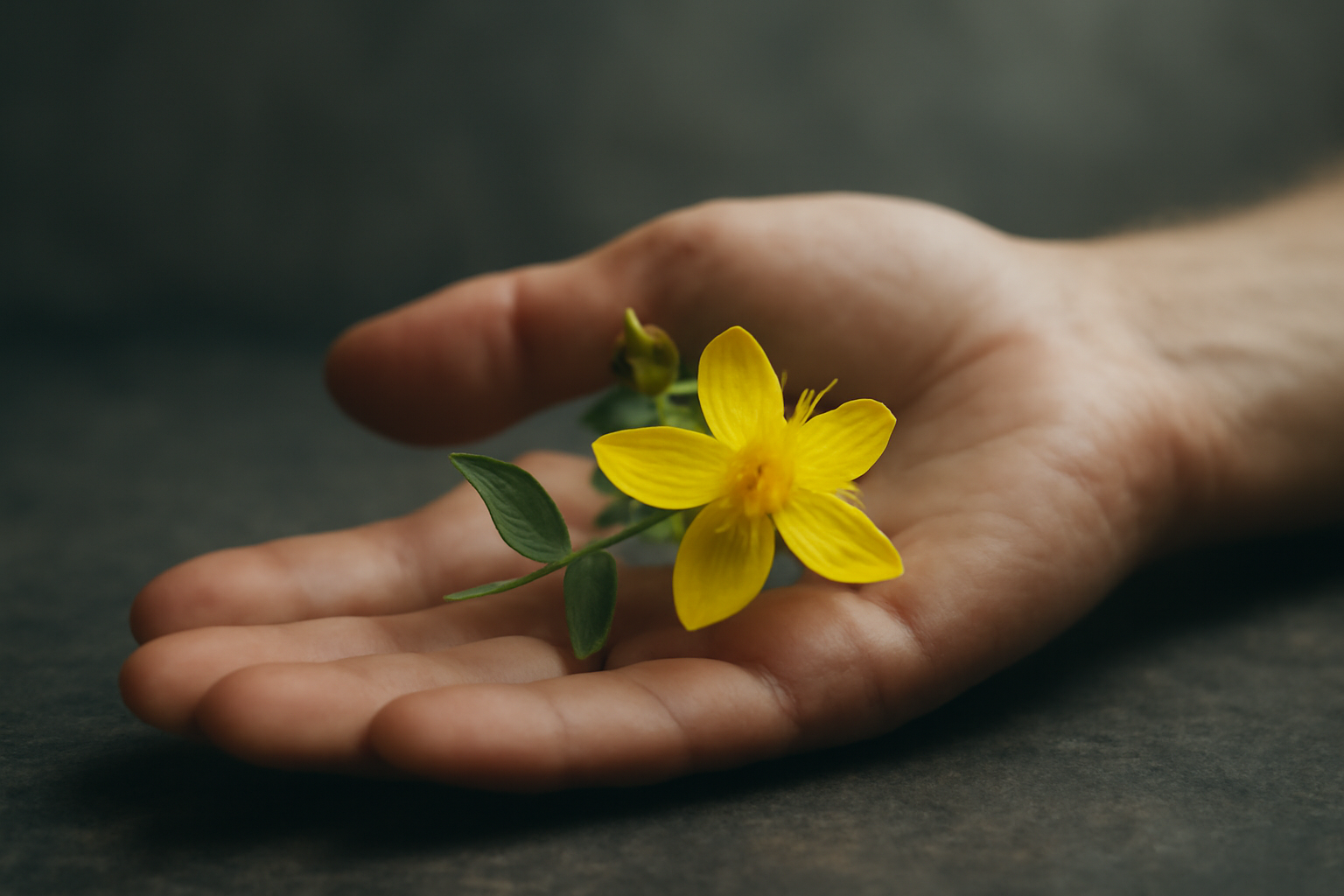
St. John’s Wort refers to the flowering plant Hypericum perforatum. The parts of the plant are processed into preparations such as capsules, tablets, and teas. The active components most often emphasized in research and products are hypericin and hyperforin, though the exact ingredients and their amounts vary by product. Many standardized extracts aim to deliver a consistent amount of these compounds, which helps with comparing results across studies and products.
Because this is a botanical product, the quality and potency can vary between brands. Look for products that specify a standardized extract (for example, 0.3% hypericin or 2–5% hyperforin) and choose reputable manufacturers. If you’re unsure, ask a pharmacist or clinician about a product that aligns with your health needs.
Research evidence for depression
Research suggests that St. John’s Wort may offer modest benefits for adults with mild to moderate depression, sometimes comparable in effect to standard antidepressants for these severities. However, results are not uniform across all studies, and the quality of evidence has varied over time due to differences in study design, product quality, and patient populations.
- For mild to moderate depression, some meta-analyses show a small to moderate improvement in depressive symptoms compared with placebo, with a risk of adverse events similar to some antidepressants in certain trials.
- For moderate to severe depression, the evidence is less clear, and many guidelines favor conventional antidepressants or psychotherapy as first-line treatment.
- St. John’s Wort does not replace professional care for complex cases, bipolar depression, or when there are significant suicide risk factors. It may not be suitable for everyone, and results can depend on the product and dose used.
If you want a quick overview from trusted sources, you can explore patient-focused information from NCCIH and MedlinePlus. These pages explain what the herb is, how it’s used, and cautions about interactions with other medicines. NCCIH – St. John’s Wort • MedlinePlus – St. John’s Wort
How St. John’s Wort works
The exact mechanism is not fully understood, but several effects on brain chemistry are thought to contribute to its mood‑related effects:
- Modulation of neurotransmitters such as serotonin, norepinephrine, and dopamine, which are involved in mood regulation.
- Influence on inflammatory pathways and neuroplasticity, which may play a role in depressive symptoms for some people.
- Stimulation of certain receptors and transporter systems in the brain that affect how signals are transmitted between nerve cells.
Additionally, St. John’s Wort can induce liver enzymes that break down other drugs (notably certain cytochrome P450 enzymes). This means it can lower the blood levels of other medicines, potentially reducing their effectiveness. Because of these interactions, it’s essential to discuss all medications and supplements with a clinician before starting St. John’s Wort.
Dosing recommendations
Practical dosing depends on the product type and formulation. Typical guidance in adults uses standardized extracts rather than loose dried herb. Common dosing patterns include:
- Standardized extract (0.3% hypericin, commonly 2–5% hyperforin): about 300 mg taken three times daily (total around 900 mg per day). Some regimens use 600 mg twice daily (total around 1,200 mg per day).
- Always follow label directions and the advice of a healthcare professional, especially when combining with other medicines.
Important cautions about dosing:
- Do not exceed recommended daily doses unless advised by a clinician.
- Consistency matters: changes in preparation can alter potency, making it hard to compare effects.
- It may take several weeks (often 4–6 weeks) to notice an effect; if there is no improvement after 6–8 weeks, re-evaluate with a clinician.
- Avoid use during pregnancy or breastfeeding unless a clinician specifically approves; data on safety in pregnancy are limited and mixed.
Potential side effects
Most people tolerate St. John’s Wort, but side effects can occur. Common adverse effects include:
- Gastrointestinal symptoms (nausea, dry mouth, diarrhea)
- Fatigue or restlessness
- Headache
- Increased sensitivity to sunlight (photosensitivity), which can raise the risk of sunburn in bright conditions
- Dizziness or confusion in some individuals
Rare but important concerns include allergic reactions and changes in mood or behavior. If you notice worsening mood, agitation, or new thoughts of self-harm, seek medical attention promptly.
Drug interactions
St. John’s Wort is a potent inducer of several liver enzymes and transport proteins. This can lower the effectiveness or alter the levels of many medications. Critical interactions include:
- Antidepressants (especially SSRIs and SNRIs) and other mood‑stabilizing medications — risk of serotonin syndrome if combined with certain antidepressants
- Oral contraceptives and other hormone-containing therapies — reduced efficacy, which can lead to unplanned pregnancy
- Anticoagulants (e.g., warfarin)—may reduce anticoagulation effectiveness
- Antiretroviral drugs used for HIV/AIDS — may increase viral resistance or reduce drug levels
- Seizure medications (e.g., certain older antiepileptics) and transplant medications (e.g., cyclosporine)—may require dosage adjustments
- Other drugs metabolized by CYP3A4, CYP2C9, or P-glycoprotein pathways — can have lower circulating levels and reduced effectiveness
If you take any prescription medications, over-the-counter drugs, or supplements, discuss all of them with your clinician before starting St. John’s Wort. When in doubt, avoid taking it with other medicines until a clinician can review potential interactions.
When St. John’s Wort may be appropriate
St. John’s Wort may be considered in adults with mild to moderate depression who are seeking a herbal option or who have not tolerated certain conventional antidepressants. It is sometimes used as an adjunct to psychotherapy, or when a patient and clinician agree that a trial of an alternative treatment is reasonable after discussing risks and benefits.
Important caveats:
- Not recommended for severe depression, bipolar depression, or depression with psychotic features.
- Not suitable for people with a history of mania or hypomania, or for those who have significant suicidal ideation without immediate professional support.
- Pregnant or breastfeeding individuals should generally avoid it unless advised otherwise by a clinician.
- Quality and dosing can vary, so a careful product choice and clinician oversight are essential.
When professional guidance is essential
Professional guidance is important in the following scenarios:
- You have moderate to severe depression, persistent symptoms, or suicidal thoughts.
- You are currently taking antidepressants, mood stabilizers, birth control, anticoagulants, HIV medications, seizure medicines, immunosuppressants, or any other prescription drugs.
- You have liver disease, kidney disease, glaucoma, or other chronic health conditions.
- You are pregnant, planning pregnancy, or breastfeeding.
- You are considering stopping or switching antidepressants and want to avoid withdrawal or serotonin discontinuation symptoms.
- Your symptoms do not improve after 4–6 weeks of consistent use, or you notice adverse effects that affect your daily functioning.
In any case, St. John’s Wort should be discussed with a healthcare professional who can review your medical history, current medications, and potential risks, and who can help coordinate care with psychotherapy or other treatments if needed.
Important safety warnings
- St. John’s Wort is not a substitute for professional mental health treatment when depression is moderate to severe or life-threatening. If you have thoughts of harming yourself, seek urgent help.
- It can interact with many medicines, reducing their effectiveness or causing dangerous combinations. Always disclosure all medications and supplements to your clinician.
- Do not use in combination with prescription antidepressants without medical supervision due to the risk of serotonin syndrome.
- Quality varies across products; choose standardized extracts and reputable brands, and follow dosing instructions closely.
- Photosensitivity can increase in sunny conditions; protect skin when outdoors and monitor for sunburn more easily.
- Use with caution if you have a history of liver disease or other chronic conditions, as liver injury, though rare, has been reported with certain preparations.
- Avoid use during pregnancy or breastfeeding unless a clinician approves, and discuss potential risks and alternatives.
If you’re considering St. John’s Wort, begin with a conversation with a clinician or pharmacist who can help you weigh personalized risks and benefits, review all medications, and monitor for side effects or interactions. For more on how this herb is viewed by medical authorities and patient information, check trusted sources such as NCCIH and MedlinePlus. NCCIH – St. John’s Wort • MedlinePlus – St. John’s Wort
⚠️ This content is for informational purposes only and is not a substitute for professional medical advice, diagnosis, or treatment. Always consult a licensed physician, psychiatrist, psychologist, or other qualified healthcare professional before making decisions about medications, mental health treatment, or alternative and holistic treatment.