
Reiki offers a gentle, experiential path that many people find supportive for anxiety and depression. By guiding the body toward deep relaxation, reducing stress responses, and fostering a sense of being cared for, Reiki can complement conventional mental health care. While it is not a substitute for evidence-based treatment, many clients report calmer days, improved mood, and greater resilience when practiced consistently and with qualified practitioners.
In this article, we explore what Reiki is, its core concepts, what to expect in sessions, the current state of evidence, and practical considerations for choosing a practitioner and integrating Reiki into a wellness plan.
What Reiki is
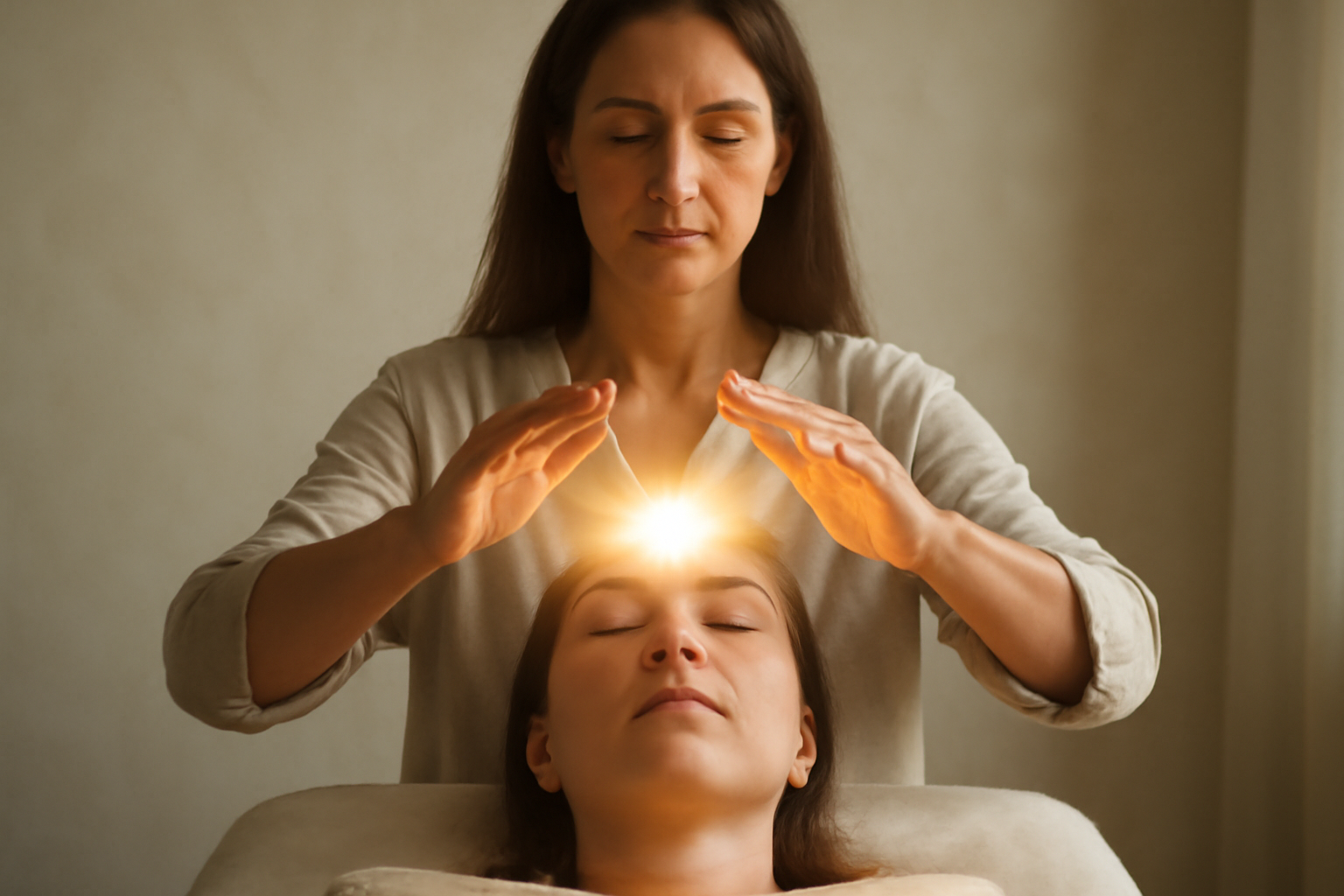
Reiki is a hands-on, energy-based healing approach developed in Japan in the early 20th century by Mikao Usui. Practitioners describe a flow of universal life energy (often called ki, chi, or prana) that can be guided through the practitioner’s hands to support balance in the recipient. Sessions are typically conducted with the client fully clothed and lying on a massage table or sitting comfortably. The practitioner may place their hands lightly on or just above the body in a series of non-invasive positions, or may work with gentle hovering if preferred by the client.
The aim is not to manipulate muscles or diagnose conditions, but to support a state of relaxed awareness in which the body’s natural healing processes may unfold. In many traditions, Reiki is framed as a cooperative process between the practitioner and client, with the client’s own system guiding how much energy is needed and where it is directed. While some people experience immediate shifts in sensation or mood, others notice slower, cumulative changes over several sessions.
Core ideas commonly shared across Reiki communities include the belief that healing can occur on physical, emotional, and spiritual levels, that the body has an innate capacity to restore balance when stress is reduced, and that compassionate, client-centered care can create a receptive environment for change.
Notes for readers: Reiki is not a substitute for medical treatment in cases of acute illness or severe mental health conditions. It is often used as a complementary practice alongside psychotherapy, psychiatry, and other medical care when appropriate.
Theoretical foundation
Reiki rests on a traditional framework in which life energy flows through all living beings. Proponents describe energy pathways and energy centers (often called chakras) that can become out of balance due to stress, trauma, or illness. By channeling energy and supporting a state of calm, Reiki aims to restore balance and supportive function within the body’s self-healing system.
From a scientific perspective, Reiki is considered a complementary intervention. Researchers often explain observed benefits in terms of relaxation, reduced sympathetic arousal (the fight-or-flight response), and placebo or non-specific therapeutic effects. The practice does not rely on a biomedical mechanism that can be measured with standard medical tests. For people exploring Reiki, this means it is best used as an adjunct to evidence-based care and under the guidance of healthcare providers when managing anxiety or depression.
Practitioners typically emphasize presence, intention, and ethical care. Some maintain that the practitioner’s attunement or training helps them serve as a conduit for energy, while others describe Reiki as a phenomenological practice — one that supports awareness, mindfulness, and self-regulation. Understanding that perspectives vary helps ensure expectations align with the therapeutic approach you choose.
What to expect during sessions
Most Reiki sessions run 60 to 90 minutes and take place in a quiet, comfortable room. Clients are usually asked to lie down or sit calmly with eyes closed. The practitioner explains the process at the outset and asks about any areas of focus or comfort concerns. The actual energy session involves hands-on or light-touch contact in a sequence of positions, typically starting at the head or shoulders and moving to the torso and legs, with flexibility to adapt to the client’s needs.
During a session, you may notice physical sensations such as warmth, coolness, tingling, or a sense of heaviness. Many people report feeling deeply relaxed, sometimes falling asleep, and waking with a clearer mood or reduced worry. Afterward, you might feel energized, sleepy, or emotionally calm. Some people prefer to rest, drink water, or journal about any thoughts or emotions that arose during the experience.
Sessions can be repeated on a regular schedule if you find them beneficial. Some individuals use Reiki weekly during a period of heightened anxiety or depression, while others integrate shorter sessions as part of ongoing wellness routines. It’s common to discuss your mental health goals with the practitioner and, if appropriate, coordinate with your primary care provider or therapist to align approaches.
Evidence and research
Scientific study of Reiki has grown over the past few decades, but high-quality, large-scale trials remain limited for mental health outcomes. Systematic reviews have found that Reiki and other energy therapies can produce small to moderate improvements in anxiety and depressive symptoms in some populations, particularly when used as a relaxation or mindfulness-enhancing adjunct. However, study quality varies, and results are often influenced by factors such as study design, participant expectations, and the therapeutic context. In many cases, effects are comparable to other relaxation or touch-based interventions, making it challenging to attribute benefits solely to the Reiki technique itself.
Because the evidence base is not definitive, health professionals generally view Reiki as a complementary option rather than a stand-alone treatment for anxiety or depression. When considering Reiki, it’s important to maintain an open dialogue with your healthcare providers, adhere to prescribed therapies, and monitor how you feel across time. Reiki is also considered low risk for most people when delivered by a trained practitioner who follows appropriate hygiene and consent practices.
For readers who want to explore the broader landscape of energy therapies, you can consult reputable health information sources such as the National Center for Complementary and Integrative Health (NCCIH) for balanced, evidence-informed guidance. Energy therapies on NCCIH’s site provides context about what is known and what remains uncertain.
How people experience Reiki
Individual experiences with Reiki vary widely. Some clients describe a profound sense of calm that lingers after a session, improved sleep, and a greater ability to observe anxious thoughts without becoming overwhelmed. Others notice mood stabilization, reduced irritability, or a renewed sense of agency in managing stress. Emotional responses may also arise, as a relaxed state can bring forward feelings that have been held at bay. Because anxiety and depression often involve cognitive and emotional patterns, Reiki’s emphasis on relaxation, presence, and compassionate attention can support broader coping strategies.
Many people find that Reiki works best when integrated with other supports — therapy, medication if prescribed, regular physical activity, sleep hygiene, and mindful practices. It’s important to set realistic expectations: Reiki is not a cure, and changes may unfold gradually over time. If you notice worsening symptoms or persistent thoughts of self-harm, seek immediate professional help from a clinician or emergency services.
Training and qualifications of practitioners
Reiki training typically follows levels, though the names and structures vary by organization. Commonly offered levels include First Degree (Shoden), Second Degree (Okuden), and Master or Teacher level. Training often involves a combination of theoretical study, hands-on practice, and “attunements” or initiations that practitioners describe as opening pathways for energy flow. Training hours can range from a weekend workshop to multi-weekend programs, with additional mentorship or practice requirements for advancing to higher levels.
Because Reiki is not uniformly regulated, it’s important to choose a practitioner who provides clear information about their training, lineage, and any professional boundaries. Look for reputable teachers or organizations, ask about the number of hours completed, and inquire about ongoing supervision or peer support. If possible, request references and learn about a practitioner’s approach to consent, confidentiality, and collaboration with other health care providers.
When selecting a practitioner, you might also consider practical questions such as availability, session pricing, location, whether they offer remote distance sessions (some providers do), and whether their practices align with your personal beliefs and comfort level. For orientation, you can explore introductory resources from established Reiki organizations, such as the International Center for Reiki Training or Reiki.org, which provide information about training paths and practitioner standards. What is Reiki?
Considerations for those interested
If you are considering Reiki for anxiety or depression, keep a few practical considerations in mind. First, continue any treatment plan prescribed by your health care providers. Reiki should complement — not replace — medical or psychiatric care, especially when symptoms are severe, persistent, or associated with danger to yourself or others. Be open about your mental health history with your practitioner, including medications and any recent changes in mood or thoughts.
Choose a qualified practitioner with transparent credentials and a comfortable, ethical practice. Discuss logistics such as session length, frequency, and costs, and clarify expectations about physical touch and space. Pay attention to how you feel during and after sessions, and monitor whether Reiki aligns with your goals for anxiety or mood improvement. If a practitioner encourages you to abandon conventional care, or if you experience pressure to participate in activities beyond your comfort, reassess the fit and seek guidance from your healthcare team.
Accessibility and self-care are important. If you have mobility concerns, ask about seating options or chair-based sessions. If you have a history of trauma, consider discussing your triggers with the practitioner so sessions can be conducted in a trauma-informed, consent-focused manner. Finally, approach Reiki as a personal exploration: some people discover meaningful benefits quickly, others need time to integrate the experience into daily life.
⚠️ This content is for informational purposes only and is not a substitute for professional medical advice, diagnosis, or treatment. Always consult a licensed physician, psychiatrist, psychologist, or other qualified healthcare professional before making decisions about medications, mental health treatment, or alternative and holistic treatment.