
Omega-3 fats are important for brain health and may influence mood and depressive symptoms. Understanding their role helps people make informed dietary and treatment choices, especially since foods, supplements, and inflammation can subtly shape mental health.
In this post, we’ll explain how omega-3s work in the brain, summarize the current research, outline practical dosing, compare food sources with supplements, describe how these fats can complement conventional treatment, and highlight when to consider them and how to stay safe.
The science: how omega-3s relate to mental health
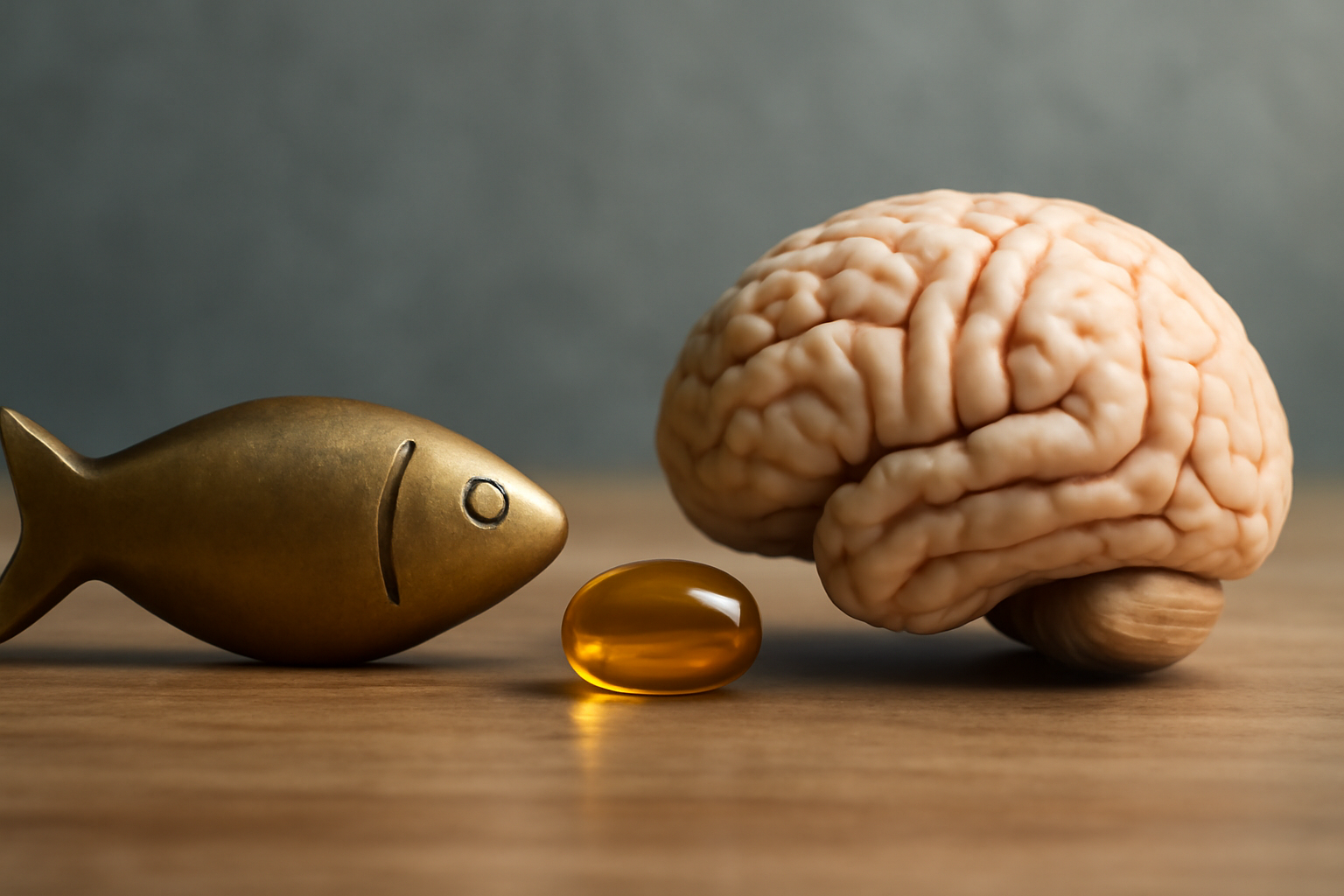
Omega-3 fatty acids, primarily EPA (eicosapentaenoic acid) and DHA (docosahexaenoic acid), are essential components of brain cell membranes. They help regulate membrane fluidity, receptor function, and signaling pathways that influence mood, attention, and stress response. DHA is especially concentrated in brain tissue, supporting neuronal growth and connectivity, while EPA is thought to have stronger anti-inflammatory effects that may modulate inflammatory processes linked to mood disorders.
Beyond membrane biology, omega-3s exert anti-inflammatory actions and can influence neurotransmitters such as serotonin and dopamine. Some researchers hypothesize that low omega-3 levels or an imbalance between EPA and DHA can contribute to depressive symptoms in susceptible individuals. This biological backdrop helps explain why omega-3s are of interest for depression, particularly when inflammation or metabolic factors are present.
For a concise overview of omega-3s and brain health, see reputable health information from NIH and other health sources, which summarize the roles of EPA and DHA and point to their presence in brain tissue and inflammatory pathways. NIH NIAMS omega-3 fatty acids provides a foundational explanation of how these fats relate to health. Harvard Health offers a consumer-friendly summary of the mood-depression connection.
What the research shows
Evidence from clinical trials and meta-analyses suggests omega-3s may confer modest benefits for depressive symptoms, particularly when EPA is a prominent component. Some trials report that omega-3s help people with major depressive disorder (MDD) who do not fully respond to first-line antidepressants, while other studies show smaller or inconsistent effects. Variation in study design — such as the EPA-to-DHA ratio, total dose, duration, population (age, sex, comorbidities), and whether participants are taking antidepressants — helps explain divergent findings.
Two practical patterns that emerge in the literature are: (1) formulations with higher EPA content tend to show more robust anti-depressive signals in several trials, and (2) longer trials (12 weeks or longer) generally yield clearer outcomes than shorter ones. However, omega-3s are typically not a stand-alone replacement for evidence-based psychiatric care; they are best viewed as a potential adjunct to conventional treatment for some individuals.
For an accessible synthesis of current findings and guidance on what to expect from omega-3s in depression, see Harvard Health and the NIH consumer information summarized in the NIH NIAMS overview.
Dosing and forms: what to know about food versus supplements
Practical dosing depends on formulation, target symptoms, and individual health factors. In clinical research, daily doses commonly range from about 1 to 3 grams of combined EPA and DHA. A common rule of thumb is that higher EPA content may be more effective for mood symptoms, while DHA contributes to overall brain health and structural integrity. Always start with clinician guidance, especially if you are taking other medications or have medical conditions.
Food sources (preferred starting point)
- Fatty fish: salmon, mackerel, sardines, herring, and trout are rich in EPA and DHA. Aim for 2 servings per week, varying species to balance taste, sustainability, and exposure to contaminants.
- Plant sources (A laid out caveat): flaxseeds, chia seeds, walnuts, and hemp seeds provide ALA, a precursor to EPA and DHA. The body’s conversion of ALA to EPA/DHA is limited, often less than 10–15%, so plant sources alone may provide less direct EPA/DHA unless you rely on algae-based DHA supplements.
- Algae-based options offer a direct DHA source and are suitable for vegetarians and vegans.
For safety and sustainability, the U.S. FDA and other public health bodies provide guidance on fish choices and portions to minimize contaminant exposure. See FDA guidance on fish and shellfish nutrition.
Supplements (consider when dietary intake is insufficient)
- Fish oil supplements provide EPA and DHA in concentrated form. Look for products with third-party verification (USP, IFOS) to ensure potency and purity, and avoid heavily oxidized oils (bad smell, rancidity).
- Algae-based omega-3 supplements provide DHA and, in some formulas, EPA. They’re a preferred option for people who avoid fish for dietary, allergy, or ethical reasons.
- Typical mood-targeted dosing in trials often falls in the 1–2 gram range of combined EPA+DHA per day; higher EPA concentrations are sometimes used for depressive symptoms, but discuss with a clinician to balance benefits and bleeding risk.
When using supplements, choose reputable brands and check labels for total EPA and DHA content, as well as the percentage of EPA relative to DHA if your goal is EPA-dominant therapy. For general guidance on omega-3 supplements and safety considerations, see Mayo Clinic’s omega-3 overview and NIH consumer information.
How omega-3 fits with conventional treatment
Omega-3s are best viewed as an adjunct to standard depression treatments rather than a replacement. For many people, they may augment the effects of antidepressants or psychotherapy, potentially improving response rates or reducing inflammatory-related symptoms. Inflammation is increasingly recognized as a factor in some depressive disorders, and omega-3s’ anti-inflammatory properties may help in those contexts.
Important practical points:
- Discuss omega-3 use with your clinician before starting, especially if you take anticoagulants, antiplatelet agents, or have bleeding disorders, since high-dose omega-3s can affect bleeding time in some individuals.
- Omega-3s can be incorporated alongside lifestyle strategies (sleep, exercise, stress management) and standard pharmacological or psychotherapeutic treatments without typically causing major interactions.
- Consistency matters. Benefits, when they occur, tend to emerge after several weeks to a few months of regular intake.
For a practical overview of how omega-3s relate to mood and treatment plans, see the Harvard Health piece and NIH NIAMS information linked above.
When to consider omega-3 for depression
Consider omega-3s as part of a broader treatment plan if you have:
- Depressive symptoms that persist despite initial treatment, or intolerance to certain antidepressants.
- Evidence of chronic inflammation or comorbid conditions associated with higher inflammatory markers (e.g., metabolic syndrome, autoimmune conditions).)
- Dietary intake low in fatty fish or plant-based omega-3 sources, or you prefer a non-pharmacologic adjunct.
Pregnancy and lactation present additional considerations; some guidelines highlight the benefits of DHA for fetal and infant development, but dosing and product choice should be guided by a clinician. If you have bipolar disorder, discuss omega-3 use with your psychiatrist, as interactions with mood stabilizers and the risk of mood elevation require professional oversight.
Educational resources and patient-facing information from NIH and Harvard provide practical context for making an informed choice about starting omega-3s as part of a depression care plan. See the linked sources for more detail.
Safety considerations and practical tips
Most people can use omega-3s safely when taken at recommended doses, but there are important caveats to keep in mind:
- Bleeding risk and medication interactions: High-dose omega-3s can affect bleeding time, particularly in people taking anticoagulants or antiplatelet medications. Always inform your healthcare provider of supplement use.
- Allergies and contaminants: Fish-derived products can trigger allergies or contain contaminants if not processed properly. Algae-based DHA and EPA products may be cleaner options for some individuals.
- Digestive tolerance and side effects: Fishy aftertaste, indigestion, or diarrhea can occur with some supplements. Start with a lower dose to assess tolerance.
- Pregnancy considerations: DHA is widely studied for fetal development, but dosing should be guided by a clinician to balance benefits with safety.
- Quality and storage: Choose supplements with third-party testing and store them away from heat and light to preserve freshness and potency.
Bottom-line practical steps to consider:
- Enhance dietary intake by incorporating fatty fish a couple of times per week, and include plant-based omega-3 sources if you follow a vegetarian or vegan diet (remember ALA conversion limits).
- If you’re considering supplements, pick products with clear EPA and DHA labeling, and consult your clinician about the appropriate dose and formulation for your situation.
- Monitor mood and side effects after starting omega-3s, and re-evaluate with your healthcare team if there is no improvement after 6–12 weeks.
Practical tips to get started
- Track your intake: note how much EPA and DHA you consume daily from food and supplements to guide discussion with your clinician.
- Choose a source based on your preferences (fish, algae, or a combination) and align with safety guidelines for contaminants and allergies.
- Coordinate with treatment plans: use omega-3s as part of a comprehensive strategy that includes sleep, nutrition, exercise, and evidence-based therapies.
For readers seeking more information, credible sources like NIH NIAMS and Harvard Health provide consumer-friendly explanations and ongoing updates about omega-3s and mood. NIAMS omega-3 facts and Harvard Health omega-3 and depression offer solid, accessible guidance to help you discuss options with your clinician.
⚠️ This content is for informational purposes only and is not a substitute for professional medical advice, diagnosis, or treatment. Always consult a licensed physician, psychiatrist, psychologist, or other qualified healthcare professional before making decisions about medications, mental health treatment, or alternative and holistic treatment.