
Nutritional psychiatry is a growing field that explores how the foods we eat influence brain function, mood, and behavior, and how dietary strategies can support mental health alongside conventional care. It rests on the idea that nutrients shape neurotransmitter balance, inflammation, and gut-brain communication, making diet a potential therapeutic tool rather than a mere lifestyle factor.
By focusing on dietary patterns, nutrient adequacy, and the microbiome, nutritional psychiatry seeks to optimize brain health through evidence-based strategies, personalized plans, and collaborative care. It does not replace standard treatments but can enhance outcomes when used in concert with therapy and, when appropriate, medications.
Core principles and science behind nutritional psychiatry
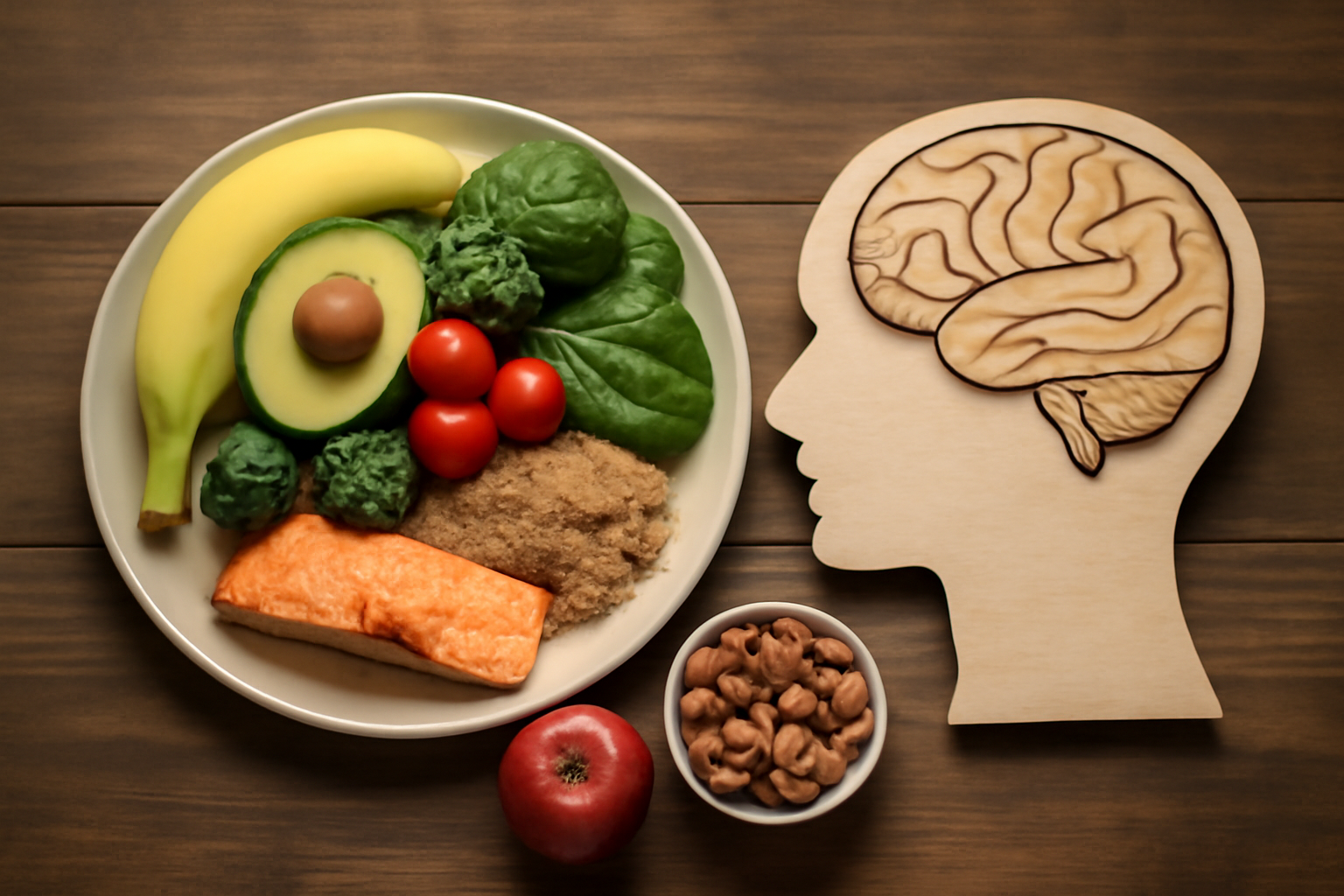
At its core, nutritional psychiatry blends neuroscience and nutrition science to explain how diet affects mood and cognition. Key ideas include the role of macronutrients in neurotransmitter production, the importance of essential fats for brain cell membranes, and how micronutrients support enzymatic processes that influence mental function. In parallel, researchers examine how inflammation and oxidative stress relate to psychiatric symptoms and how dietary choices can modulate these processes. The gut-brain axis adds another layer, highlighting how microbes metabolize nutrients to produce signaling compounds that reach the brain. Importantly, the field emphasizes that responses vary by individual, shaped by genetics, life stage, medical history, medications, and environment, so personalized strategies tend to work best. Finally, nutritional psychiatry is often integrated with other evidence-based approaches, including psychotherapy and pharmacotherapy, to form a holistic plan for mental health.
- Brain chemistry and energy depend on nutrient availability, with proteins providing amino acids for neurotransmitters, fats supporting cell membranes, and carbohydrates influencing energy and mood regulation.
- Inflammation and oxidative stress are linked to mood disorders and cognitive changes; certain dietary patterns can reduce or raise inflammatory markers.
- The gut-brain axis connects digestion, microbiota, and brain signaling; fiber, polyphenols, and fermented foods can support a healthy microbiome that may influence mood.
- Individual variability means that nutrient needs and responses differ; tailoring recommendations to the person improves likely outcomes.
- Collaborative care that combines nutrition with mental health treatment is most effective, recognizing that diet is one piece of a broader therapeutic puzzle.
How diet affects mental health
Diet can influence mental health through multiple pathways. Longstanding patterns — such as high intake of processed foods, added sugars, and unhealthy fats — have been associated with greater risk of depressive symptoms and cognitive fatigue, while dietary patterns rich in whole foods are linked with better mood and functioning. Essential fatty acids, particularly omega-3s, play a role in neuronal signaling and can modulate inflammation. Adequate intake of B vitamins, iron, zinc, magnesium, and vitamin D supports neurotransmitter synthesis and energy production, which can affect mood and concentration. A diet high in fiber and diverse plant compounds supports a robust gut microbiome, which communicates with the brain via metabolic and immune signals. Regular meals help stabilize blood glucose and energy, reducing irritability and swings in mood. While nutrition is not a sole determinant of mental health, these dietary factors can influence symptoms, treatment response, and overall well-being.
- Depression and anxiety have shown associations with dietary patterns; more research supports the idea that Mediterranean-style or similar plant — forward diets may correlate with lower depressive symptoms and better mood regulation.
- Omega-3 fatty acids have been studied for mood stabilization and cognitive benefits, particularly EPA and DHA found in fatty fish and some plant sources.
- Gut health, driven by fiber, fermentable carbs, and polyphenols, can influence mood through microbial metabolites and immune signaling.
- Micronutrients such as B vitamins, zinc, magnesium, and iron support neurotransmitter pathways and brain energy; deficiencies can worsen fatigue and cognitive function.
- Consistency in meals and gradual improvements in dietary quality often translate into clearer thinking, steadier energy, and more even moods over time.
Evidence-based nutritional interventions
Several dietary approaches show promise as part of a comprehensive treatment plan. They are most effective when tailored to individual needs and preferences, and when coordinated with mental health professionals.
Mediterranean-style diet
This pattern emphasizes fruits, vegetables, whole grains, legumes, nuts, olive oil, and lean proteins such as fish. It is rich in polyphenols, fiber, and healthy fats that support vascular health and reduce systemic inflammation. Studies consistently link Mediterranean-style eating with lower risks of depressive symptoms and potentially better cognitive function in aging populations. The approach is sustainable, culturally adaptable, and pairs well with psychotherapy and pharmacotherapy as part of a holistic plan.
Omega-3 fatty acids
EPA and DHA, primarily from fatty fish or algae-based supplements, are linked to mood regulation and anti-inflammatory effects. Evidence suggests benefits for some individuals with mood disorders, anxiety, and cognitive symptoms, especially when dietary intake is inadequate. When considering omega-3s, discuss dosing with a clinician, since high doses can interact with medications or have contraindications for certain conditions.
Fiber, prebiotics, and gut microbiome
Industrialized diets often reduce microbial diversity, while fiber-rich, plant — forward meals feed beneficial gut bacteria. A thriving microbiome produces metabolites that can influence brain signaling and inflammation. Probiotic-containing foods or targeted probiotics may help in some cases, though effects are individualized and typically modest. Emphasizing a varied, fiber-rich diet supports gut health and overall well-being.
Micronutrients and targeted supplementation
Ensuring adequate intake of nutrients like B vitamins, iron, zinc, magnesium, and vitamin D is important for mood and energy. In some situations — such as documented deficiencies or specific symptoms — clinicians may recommend targeted supplementation. Supplements should be chosen and dosed under professional guidance to avoid excess or interactions with medications.
Balanced meals and routine eating patterns
Regular, balanced meals that combine protein, healthy fats, and complex carbohydrates help stabilize blood sugar, support sustained energy, and reduce cravings. This approach promotes consistent mood and cognitive function and pairs well with behavioral strategies used in therapy.
What to expect from nutritional psychiatry
Engaging in nutritional psychiatry typically involves a collaborative, stepwise process designed to fit your mental health care plan. Expect a thorough intake that covers dietary history, eating patterns, medications, medical conditions, and symptom severity. A clinician — often a registered dietitian (RDN) or a clinician working with an RDN on the team — will translate this information into a practical plan. The initial phase may focus on foundational changes, such as meal regularity, increasing whole foods, and reducing highly processed items, followed by targeted adjustments based on response and preferences. Ongoing follow-up tracks mood symptoms, cognitive energy, sleep quality, and functional goals, while monitoring for nutrient interactions with medications. The aim is to complement existing treatments, improve overall health, and empower you with skills for long-term dietary management.
- Comprehensive assessment that includes diet, medications, medical history, and psychiatric symptoms.
- Collaborative planning with your mental health provider and a nutrition professional when available.
- A realistic timeline; some benefits may appear within weeks, with longer-term improvements over months.
- Education on nutrient-rich foods, meal planning, and strategies to maintain changes in daily life.
- Monitoring for nutrient-drug interactions, safety considerations, and adjustments as needed.
Qualifications to look for in practitioners
When seeking nutritional support for mental health, prioritize credentials, experience, and an approach grounded in evidence. Key qualifications include:
- Registered Dietitian Nutritionist (RDN/RDN) or Dietitian with clinical experience in mental health or neuropsychiatry.
- Formal training or certification in nutrition for mental health, mood disorders, or eating disorders, and familiarity with psychotropic medications and potential nutrient interactions.
- Ability to collaborate with psychiatrists, psychologists, therapists, and primary care providers to form an integrated care plan.
- Clear communication about limits of nutrition-based interventions and when to refer to other specialists for specialized needs.
- A patient-centered, culturally sensitive approach that respects dietary preferences, budget, and access to food.
Considerations for incorporating nutrition into mental health care
Incorporating nutrition into mental health care should be thoughtful, ethical, and practical. Consider these points to ensure a safe and effective integration:
- It is typically an adjunct, not a replacement for established treatments such as psychotherapy and medication when indicated.
- Assess for medical conditions, allergies, pregnancy, or lactation that affect nutrient needs and safety of certain interventions.
- Be mindful of potential nutrient-drug interactions and contraindications, especially with antidepressants, mood stabilizers, or antipsychotics.
- Set realistic goals and pace changes to avoid overwhelm or unsustainable dietary restrictions.
- Address accessibility, affordability, and cultural relevance of dietary changes to support adherence.
- Engage family or caregivers when appropriate to create supportive environments and reduce meal-time stress.
- Ensure privacy, informed consent, and ethical handling of personal health information within a care team.
If you’re considering nutritional psychiatry, starting with an open conversation with your current mental health provider is a good first step. A collaborative plan can help you understand whether dietary changes might support your symptoms, how to implement them safely, and how to monitor progress alongside your existing treatments.
⚠️ This content is for informational purposes only and is not a substitute for professional medical advice, diagnosis, or treatment. Always consult a licensed physician, psychiatrist, psychologist, or other qualified healthcare professional before making decisions about medications, mental health treatment, or alternative and holistic treatment.
