
Mindfulness-based therapy offers a structured path to reduce distress by training attention and cultivating a compassionate, nonjudgmental stance toward experience. By learning to observe thoughts, feelings, and sensations without getting overwhelmed, individuals can improve emotional regulation, reduce rumination, and increase resilience in daily life.
Rooted in present-moment awareness, these therapies blend meditation-inspired practices with cognitive and behavioral strategies. They are commonly delivered in group formats (such as MBSR and MBCT) but can be adapted for individual therapy and diverse clinical settings, aiming to enhance well-being across a range of challenges.
Theoretical background and core principles
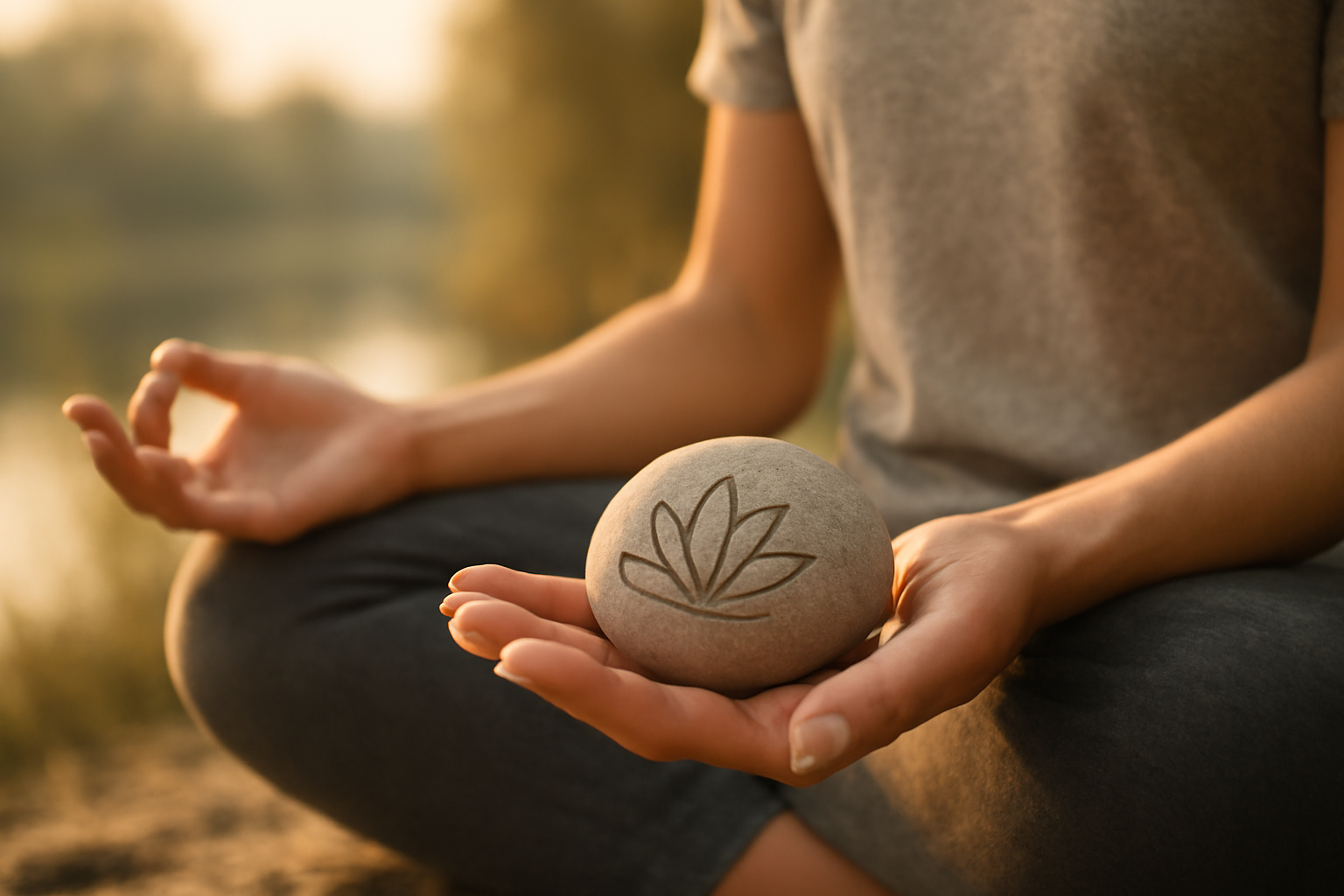
Mindfulness-based therapy draws from multiple sources, integrating attention training with an attitudes of curiosity, kindness, and acceptance. The aim is not to eliminate thoughts or feelings but to relate to them with greater clarity and less automatic reactivity. Two well-established programs illustrate how theory translates into practice:
- Mindfulness-Based Stress Reduction (MBSR) emphasizes formal practices like guided meditation, body awareness, and mindful movement to reduce stress and improve coping.
- Mindfulness-Based Cognitive Therapy (MBCT) combines mindfulness with cognitive strategies to prevent relapse in depression by changing habitual thought patterns.
Key principles commonly shared across mindfulness-based therapies include:
- Nonjudging: observing experiences without labeling them as good or bad.
- Present-moment attention: training awareness of current experiences rather than getting lost in the past or future.
- Decentering: recognizing thoughts as mental events rather than absolute truths or commands to act.
- Acceptance and non-striving: allowing experiences to be as they are, rather than forcing change or avoidance.
- Intentional attitude: cultivating curiosity, compassion, and patience toward oneself and others.
From a theoretical standpoint, mindfulness supports mechanisms such as enhanced attentional control, improved emotional regulation, and greater cognitive reappraisal. Neurobiological studies point to changes in brain networks involved in monitoring, control, and self-referential processing, which may help people respond more adaptively to stress.
Core methods and applications
Core practices
- Sitting meditation: sustaining attention on the breath or body sensations while noticing distractions without getting carried away by them.
- Body scan: systematically directing awareness through the body to cultivate relaxation and nonjudgmental observation.
- Mindful movement: gentle yoga, walking meditation, or other slow, deliberate movements to link body and mind.
- Loving-kindness and compassion practices (metta): cultivating kind attitudes toward oneself and others.
Programs and formats
Most mindfulness-based therapies use an 8-week format, with weekly sessions lasting 2–3 hours and a daylong retreat in some courses. Home practice of 20–45 minutes per day is typical, supported by audio-guided exercises and written materials. In clinical settings, therapists tailor content to individual needs and may combine mindfulness with cognitive or behavioral techniques.
Applications
Mindfulness-based therapy addresses a broad spectrum of concerns. It is commonly used for:
- Stress reduction and resilience building
- Anxiety disorders and worry management
- Depressive symptoms and relapse prevention
- Chronic pain and fatigue where attention and emotional response influence experience
- Sleep disturbances and insomnia
- Burnout and occupational stress
In clinical practice, mindfulness is often embedded within or alongside other therapies — such as cognitive-behavioral therapy or acceptance and commitment therapy — to support more flexible coping, better toleration of distress, and sustained behavior change.
Conditions or situations where mindfulness-based therapy is helpful
- Elevated stress levels or chronic stress exposure (work, caregiving, illness)
- Recurrent or persistent worry and anxious arousal
- Depressive symptoms or risk of relapse into depression
- Chronic pain, illness management, and fatigue
- Sleep problems and insomnia
- Burnout, compassion fatigue, and performance anxiety
When working with trauma histories, mindfulness-based approaches are most effective in trauma-informed formats guided by trained professionals. In some cases, carefully introduced mindfulness can support processing and regulation, but is best pursued with clinician oversight to avoid distress or dissociation.
How to learn and practice the technique
Getting started typically involves enrolling in an evidence-based program (MBSR or MBCT) led by a qualified instructor. If access is limited, individual therapy or guided at-home practice can still be beneficial, ideally under professional supervision.
- Find a reputable program or therapist trained in mindfulness-based approaches. Look for credentials and a trauma-informed stance if relevant.
- Commit to a regular practice schedule, starting with 10–15 minute daily sessions and gradually increasing to 20–45 minutes as capacity grows.
- Begin with formal practices (breath awareness, body scan, or mindful movement) and incorporate informal mindfulness into daily activities (mindful eating, walking, routine tasks).
- Use guided audio resources or live instruction to support consistency and correct technique.
- Keep a brief practice journal to note patterns, challenges, and moments of insight.
Practice is about consistency rather than perfection. It’s normal to encounter restlessness, drowsiness, or frustration — these experiences themselves become opportunities to learn nonreactivity and acceptance.
Professional guidance versus self-help applications
Therapist-led mindfulness programs provide structured curricula, professional guidance, and immediate safety oversight for emerging distress or complex diagnoses. They are especially helpful when a person is navigating significant emotional challenges or trauma histories.
- Therapist-guided formats (MBCT/MBSR) offer systematic progression, feedback, and adaptation to individual needs.
- Self-help or app-based approaches can be convenient and affordable, suitable for maintaining a basic practice or augmenting therapy.
While self-help mindfulness can be beneficial, it may not be sufficient for severe or worsening symptoms, risk of self-harm, or complex clinical conditions. Always coordinate with a mental health professional if there is significant distress, risk, or medication management involved.
Integration with other treatments
Mindfulness-based therapy is most effective when used as part of an integrated care plan. It complements cognitive-behavioral strategies by increasing awareness of automatic thoughts and emotional triggers, thereby enhancing cognitive restructuring and exposure techniques. In ACT, mindfulness supports value-driven action and cognitive defusion. For many, mindfulness improves treatment adherence, stress tolerance, and overall engagement with psychotherapy and medical management.
When combined with pharmacotherapy, mindfulness can help people experience fewer side effects of stress and better response to treatment by improving sleep, mood regulation, and coping skills. Collaboration among therapists, physicians, and patients is essential to tailor practice intensity and to monitor safety and progress.
Practical resources and ongoing learning
Explore reputable sources to learn more about mindfulness and its therapeutic use:
- What is mindfulness? – Mindful.org
- Mindfulness-Based Stress Reduction (MBSR) resources – UCLA MARC
- Mindfulness – American Psychological Association
When starting, prioritize guidance from qualified professionals, use reputable resources, and gradually build a practice that fits your life while respecting your mental health needs.
⚠️ This content is for informational purposes only and is not a substitute for professional medical advice, diagnosis, or treatment. Always consult a licensed physician, psychiatrist, psychologist, or other qualified healthcare professional before making decisions about medications, mental health treatment, or alternative and holistic treatment.
Page Contents
- Theoretical background and core principles
- Core methods and applications
- Conditions or situations where mindfulness-based therapy is helpful
- How to learn and practice the technique
- Professional guidance versus self-help applications
- Integration with other treatments
- Practical resources and ongoing learning