
Exploring alternative approaches to anxiety treatment can empower people to tailor relief to their lives beyond medications or traditional talk therapy. This article reviews evidence-informed paths, explains how they differ from conventional care, and offers practical tips, safety notes, and guidance on when to seek professional help.
By looking at mindfulness, movement, sleep strategies, nutrition, herbs and supplements, and mind-body practices, you can build a personalized plan that fits your schedule and preferences. The goal is safer relief, greater resilience, and a sense of control — while staying connected to your overall health care.
Mindfulness, meditation, and breathwork
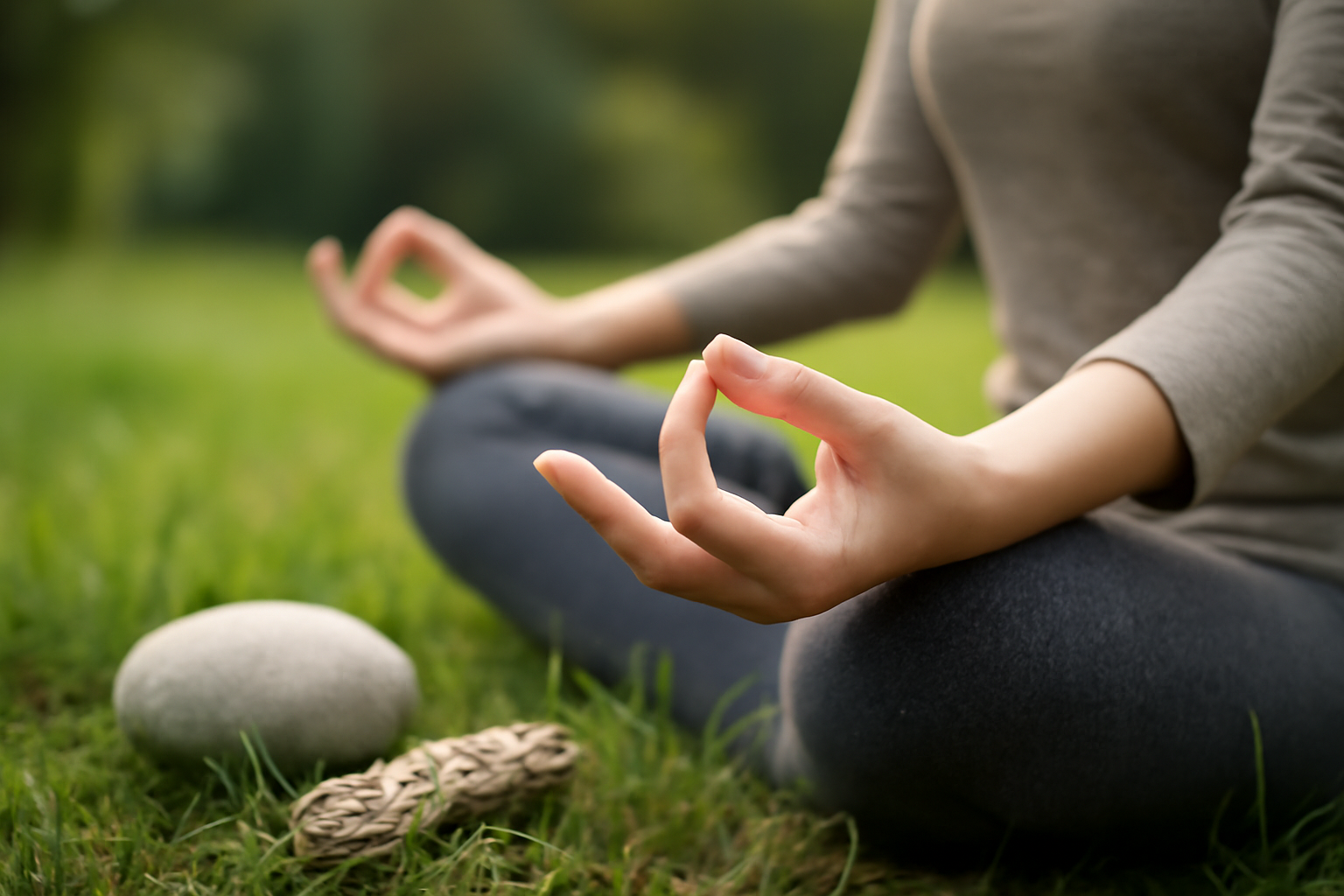
What it is: Mindfulness is about paying attention to the present moment with curiosity and nonjudgment. Meditation and structured breathwork are common ways to cultivate this awareness and calm the body’s stress response.
How it differs from conventional approaches: This family of practices emphasizes self-regulation and awareness rather than targeting specific symptoms with drugs or structured psychotherapy. They can be used alone or alongside other treatments and can be started with short daily sessions.
Evidence of effectiveness: Systematic reviews show mindfulness-based interventions can reduce anxiety symptoms across diverse groups, with small to moderate effects. Benefits often grow with regular practice and program quality.
- Start with 5–10 minutes daily, then gradually increase to 15–20 minutes. Practices include breath-focused meditation, body scans, and loving-kindness exercises.
- Consider a formal course (e.g., mindfulness-based stress reduction) or guided sessions to learn foundational skills.
Evidence links:
- NIMH: Anxiety disorders
- Mindfulness-based therapy for anxiety and mood symptoms: a meta-analysis (PMC)
Movement, exercise, and sleep regulation
Movement helps regulate the nervous system and improve mood, energy, and resilience. Exercise is a practical, accessible approach that many people can fit into a daily routine.
How it differs from conventional approaches: Exercise is not a medication or a talk-based therapy. It functions as a lifestyle intervention with broad health benefits, and it often complements other treatments rather than replacing them.
Evidence of effectiveness: Regular aerobic activity is associated with reduced anxiety symptoms, and benefits tend to appear after weeks of consistent exercise. The best outcomes usually come from a sustainable plan you enjoy and can maintain.
- Gentle starts — short walks, cycling, or dancing — then build toward 150 minutes per week or more, as comfort allows.
- Pair aerobic activity with occasional strength training for overall health and stress regulation.
Evidence links:
- CDC: Physical activity, mental health, and well-being
- Systematic reviews on exercise and anxiety (PubMed)
Sleep and CBT for insomnia (CBT-I)
Sleep challenges often amplify anxiety, creating a cycle of wakefulness, worry, and heightened arousal. CBT-I is a structured, nonpharmacologic approach to treat insomnia that can reduce anxiety-related symptoms by improving sleep quality and reducing hyperarousal.
How it differs from conventional approaches: CBT-I targets sleep behaviors and thoughts rather than anxiety per se, yet improvements in sleep frequently lessen anxiety and daytime distress. It can be delivered by clinicians or through reputable self-help programs and online modules.
Evidence of effectiveness: CBT-I reliably improves sleep and often reduces anxiety symptoms in people with insomnia. The sustained benefits depend on adherence to the behavioral strategies and cognitive techniques.
- Essentials include regular sleep schedules, stimulus control, sleep restriction (carefully), and cognitive strategies to reduce nocturnal worry.
- Seek professional guidance if insomnia persists or if you have comorbid conditions or safety concerns about sleep disorders.
Evidence links:
Diet, gut health, and supplements
Diet and gut health have drawn growing interest in mental health. Some studies suggest patterns like the Mediterranean diet are linked with lower anxiety risk, while certain supplements may offer modest benefits for some people.
How it differs from conventional approaches: Nutritional and gut-health strategies focus on systemic factors that can influence brain function and stress response, rather than solely addressing symptoms with medications or therapy.
Evidence of effectiveness: Observational data point to associations between dietary patterns and anxiety risk, while clinical trials on specific supplements show mixed results. Benefits, when present, are typically modest and vary among individuals.
- Mediterranean-style eating, rich in fruits, vegetables, whole grains, fish, and olive oil, is a practical framework for overall health and may support mental well-being.
- Some people explore probiotics or omega-3 fatty acids; results are inconsistent and should be discussed with a clinician, especially if you take medications or have medical conditions.
Evidence links:
Herbal and natural remedies
Some people turn to botanicals and natural products to support mood and calm. The evidence varies by substance, and safety concerns differ. Always discuss supplements with a health professional, especially if you take other medicines or have liver, kidney, or heart conditions.
How it differs from conventional approaches: Botanicals range from over-the-counter supplements to aromatherapy and herbal teas. They are typically not regulated as medicines, so quality and dosing can vary.
Evidence and safety highlights:
- Kava: small-to-moderate anxiolytic effects in some studies, but potential serious liver injury has limited its use and many countries regulate or restrict it. Consult a clinician before use. Kava information.
- Omega-3 fatty acids: some trials suggest mood and anxiety support for certain individuals; discuss dosing with a clinician. Omega-3 facts.
- Chamomile or other botanicals: often available as teas or extracts; evidence is limited and quality varies. Seek guidance before regular use.
Yoga, tai chi, and other mind-body practices
Yoga and related practices combine mindful attention, breath control, and gentle movement. Many people report reduced anxiety symptoms and improved coping, often alongside other treatments.
How it differs from conventional approaches: These practices emphasize body awareness and regulated breathing as means to reduce autonomic arousal, rather than focusing primarily on cognitive restructuring or pharmacology.
Evidence of effectiveness: Several studies and reviews report small-to-moderate reductions in anxiety with yoga, tai chi, or similar routines. Benefits may depend on practice frequency, instructor quality, and program design.
- Begin with beginner-friendly classes or short at-home routines; aim for consistency over intensity.
- Combine with other approaches (e.g., mindfulness, sleep hygiene) for broader effects.
Evidence links:
Acupuncture and related therapies
Acupuncture and acupressure are traditional approaches that some people use to manage anxiety symptoms. The evidence is mixed, with some studies reporting modest benefits and others showing limited or no effect beyond placebo. Safety tends to be good when performed by licensed practitioners, but avoid unregulated sources.
How it differs from conventional approaches: These therapies focus on energy pathways and manual stimulation rather than pharmacology or cognitive therapy, and are often used as complementary options.
- Seek licensed practitioners and disclose all health conditions and medications.
- Discuss expectations, duration, and how acupuncture will fit with other treatments.
Evidence links:
Professional guidance and safety considerations
Many people use a combination of approaches. If anxiety symptoms are severe, persistent, or include panic, avoidant behavior, or thoughts of harming yourself, seek professional care promptly. A health professional can help tailor options, check for interactions with medications, and monitor safety.
- When to seek help: if anxiety disrupts daily functioning, sleep, work, or relationships, or if you have thoughts of self-harm, you should consult a clinician or urgent care.
- Coordination of care: tell all providers about nontraditional approaches you’re using. Some supplements or herbal products can interact with prescribed medications or medical conditions.
- Safety notes: do not stop prescribed medications abruptly without a clinician’s guidance. Be cautious with supplements that lack standardization or have safety concerns (e.g., liver risk with certain botanicals).
Practical steps to get started
- Pick 1–2 approaches that appeal to you and fit your lifestyle. For many people, starting with sleep, mindfulness, or a moderate exercise plan creates the best foundation.
- Set realistic goals and track your symptoms, sleep, energy, and worry levels to gauge what helps.
- Consult your primary care physician, psychiatrist, or a licensed mental health professional before making major changes, especially if you’re on medications or have other health concerns.
- Be mindful of quality and safety when using supplements or alternative therapies; choose reputable sources and avoid unregulated products.
- Reassess regularly: if an option isn’t helping after several weeks, consider adjustments or combining it with other strategies under professional guidance.
Taking an informed, gradual approach to alternative anxiety treatments can support your well-being without replacing essential medical advice. Start small, stay curious, and engage with health professionals to build a plan that aligns with your needs and values.
⚠️ This content is for informational purposes only and is not a substitute for professional medical advice, diagnosis, or treatment. Always consult a licensed physician, psychiatrist, psychologist, or other qualified healthcare professional before making decisions about medications, mental health treatment, or alternative and holistic treatment.