
L-theanine is a natural compound found in tea that can promote calm and focused relaxation without causing sleepiness. For anxiety management, understanding how it works, what the evidence shows, and how to use it safely helps you decide if it’s right for you.
This article covers what L-theanine is, the current research on anxiety, how it works in the brain, dosing options, safety considerations, combinations with other supplements, when to consider trying it, and practical tips for everyday use.
What L-theanine is
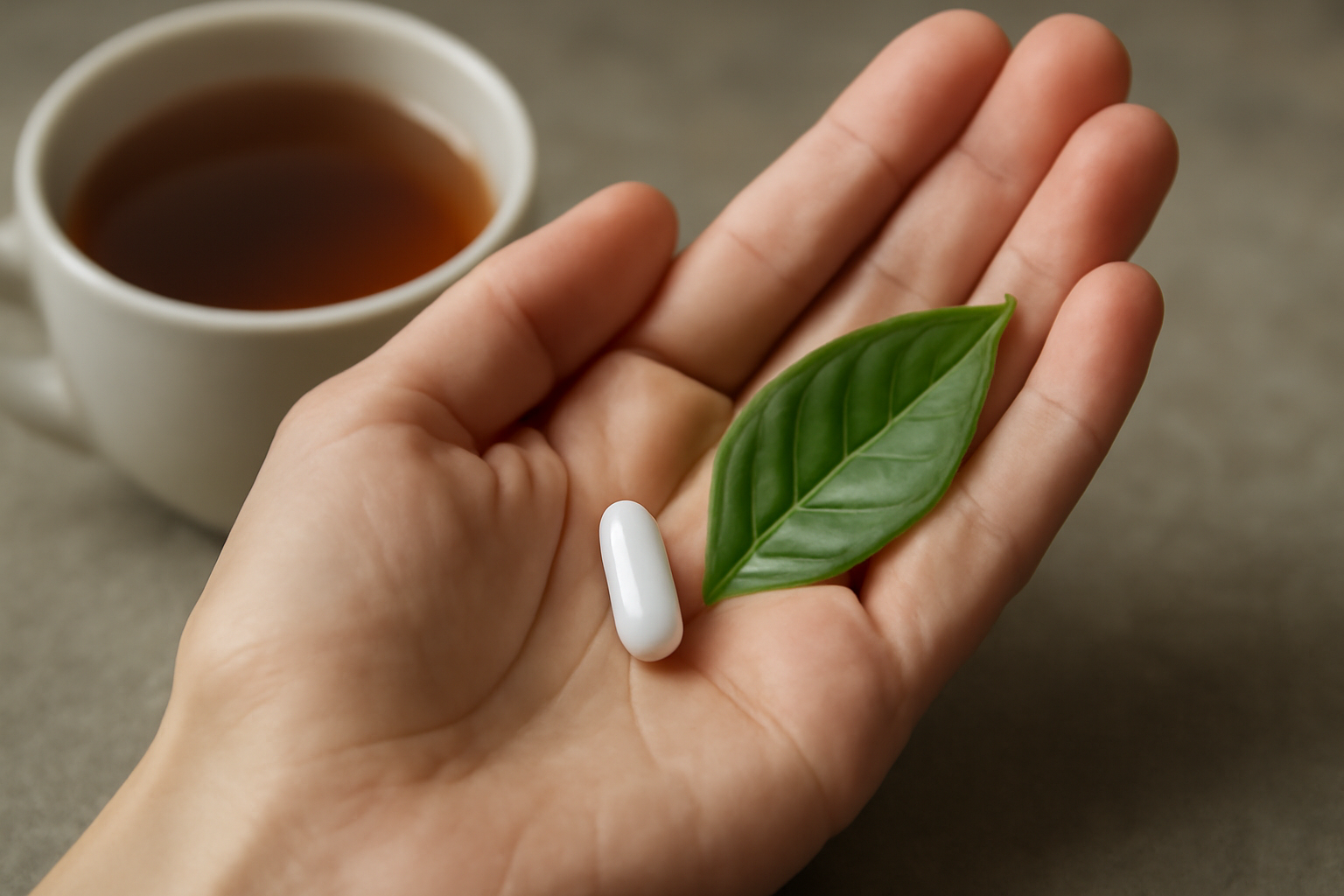
L-theanine, also known as gamma-glutamylethylamide, is an amino acid-like compound primarily found in green tea (Camellia sinensis). Unlike many medicines used for anxiety, L-theanine is not a prescription drug or a sedative. Instead, it is believed to support a state of relaxed alertness by influencing brain chemistry and brain wave activity. Because it occurs naturally in a widely consumed beverage, many people are curious about whether it can offer modest relief from everyday anxiety or situational stress without the heavy side effects associated with some medications.
L-theanine is typically consumed in supplement form or through tea. In supplements you’ll often see labeled doses such as 100 mg, 200 mg, or 400 mg per serving. Tea contains smaller amounts per cup, and the exact intake depends on the tea type, brewing time, and leaf quality. The body generally tolerates L-theanine well, but as with any supplement, quality and sourcing matter for safety and efficacy.
Research evidence for anxiety
The research on L-theanine and anxiety is encouraging but not definitive. A number of small randomized trials and controlled studies have reported modest reductions in subjective anxiety scores or perceived stress after L-theanine administration, especially in people experiencing acute stress or those who are caffeine-sensitive. In addition, some studies have noted calmer physiological responses during mentally demanding tasks, such as lower heart rate or lower cortisol levels, which can reflect a dampened stress reaction.
It’s important to interpret these findings with care. The body of evidence is still relatively small, and results across trials can vary based on dosage, population, and study design. L-theanine often shows the greatest benefit as a supportive option for situational anxiety (for example, during exams, public speaking, or periods of daily stress) rather than as a stand-alone treatment for chronic anxiety disorders. For anyone considering L-theanine as part of an anxiety management plan, it’s wise to view it as one tool among lifestyle strategies, therapy approaches, and, when appropriate, other medical treatments.
How it works
Several mechanisms are proposed for how L-theanine may influence anxiety and mood. It is believed to cross the blood-brain barrier and influence several neurotransmitter systems without acting as a sedative. Key ideas include:
- Promoting alpha brain-wave activity, which is associated with a relaxed but alert mental state.
- Modulating neurotransmitters such as GABA, glutamate, serotonin, and dopamine, which can help balance mood and reduce excitability.
- Supporting the brain’s stress response by dampening sympathetic nervous system activation in response to stressors.
- Potentially reducing perceived stress and improving cognitive performance under pressure, which can indirectly lessen anxious feelings in the moment.
Because L-theanine does not cause drowsiness and appears to support a calm focus, it can be appealing for daytime use when anxiety interferes with concentration or everyday tasks. Still, the exact pathways and the magnitude of effect likely vary between individuals.
Dosing recommendations
Effective dosing for anxiety is not one-size-fits-all. General guidelines drawn from available research and clinical experience suggest the following ranges:
- Light use for situational anxiety: 100 mg to 200 mg per day, taken as needed before stressful events or spread as a daily small dose.
- Moderate support for ongoing stress: 200 mg to 400 mg per day, divided into one or two doses.
- Higher doses: some people use 400 mg daily for more pronounced effects, though starting at the lower end is wise to assess tolerance.
Practical tips:
- Start with a conservative dose (e.g., 100 mg) and observe how you feel for 1–2 weeks before increasing.
- If using with caffeine, a common approach is about 100–200 mg of L-theanine paired with 100–200 mg of caffeine to smooth energy and reduce jitters.
- Timing can matter: taking L-theanine 30–60 minutes before anticipated stress or during a period of heightened anxiety can help. Some people also take small doses in the afternoon to support calmer focus.
Safety profile
L-theanine is generally well tolerated. Most people report few side effects, and adverse events are rare and typically mild, such as stomach upset or headaches in a minority of users. Because L-theanine influences brain chemistry, it is prudent to approach use with the same caution you would apply to any supplement:
- Pregnancy and lactation: data are limited, so talk to a healthcare professional before using L-theanine if you are pregnant or nursing.
- Medications and medical conditions: if you take prescription medications (especially those affecting the brain or blood pressure) or have a medical condition, consult your clinician before adding L-theanine.
- Sleep considerations: while L-theanine is not a sedative, some people find small amounts at night helpful for sleep onset, while others prefer daytime use to avoid any potential impact on sleep onset timing.
Because supplement quality varies, choose products from reputable brands that provide third-party testing and transparent ingredient lists. If you notice new symptoms after starting L-theanine, discontinue use and discuss with a healthcare provider.
Combinations with other supplements
Combining L-theanine with other supplements is common, and some pairings may enhance relaxation or reduce anxiety symptoms. Consider these general, non-prescriptive pairings and discuss them with a clinician if you have health concerns:
- With caffeine: L-theanine is well known for balancing caffeine’s stimulating effects, helping maintain calm focus without a heavy crash.
- With magnesium: magnesium supports relaxation and may complement L-theanine’s calming effects, particularly for muscular tension and sleep quality.
- With adaptogens such as ashwagandha or rhodiola: some people use L-theanine alongside adaptogens to address stress and anxiety, though evidence is mixed and individual responses vary.
- With GABA or GABA-supporting herbs: some products blend L-theanine with GABA or botanicals like lemon balm or valerian; if you explore these, start with small doses and monitor how you respond.
When combining supplements, prioritize safety, start with low doses, and avoid exceeding recommended daily amounts. If you are taking medications or have a health condition, consult a healthcare professional before stacking supplements.
When to consider L-theanine
Consider L-theanine if you experience situational anxiety or daily stress that is not fully managed by lifestyle factors alone. It can be a helpful adjunct for:
- Situational stressors (exam periods, high-workload weeks, public speaking).
- Situations where caffeine-induced jitters contribute to anxiety, such as long workdays with coffee.
- People seeking a non-prescription approach to support calm, focused attention during daytime tasks.
It is not a substitute for evidence-based treatments for chronic anxiety disorders or for disorders requiring medical management. If you have persistent or severe anxiety, or if anxiety is affecting your daily functioning, seek guidance from a clinician. L-theanine can be part of a broader plan that includes behavioral strategies, therapy, and, when appropriate, medication under medical supervision.
Practical usage tips
To make the most of L-theanine for anxiety, keep these practical tips in mind:
- Choose a product with clearly labeled ingredients and reputable manufacturing practices. Look for third-party testing when possible.
- Start low and go slow. Begin with 100 mg and adjust based on your response over 1–2 weeks.
- Pairing with caffeine can be a natural combo for daytime focus and calm energy. If you drink tea, monitor your total caffeine intake and be aware of caffeine timing near bedtime.
- Keep a simple anxiety diary. Note the dose, timing, perceived anxiety level, and any sleep or mood changes to identify what works best for you.
- Consider timing around stressors: use L-theanine before anticipated stress episodes to preempt or lessen anxious feelings.
- Discuss with a healthcare professional if you are pregnant, nursing, taking other medications, or managing a medical condition such as high blood pressure or insomnia.
Incorporating L-theanine into a broader anxiety-management plan can be a practical step for many people. Alongside sleep hygiene, regular physical activity, mindfulness or cognitive-behavioral strategies, and social support, L-theanine can contribute to a more balanced baseline of daily calm and resilience without the need for prescription intervention.
⚠️ This content is for informational purposes only and is not a substitute for professional medical advice, diagnosis, or treatment. Always consult a licensed physician, psychiatrist, psychologist, or other qualified healthcare professional before making decisions about medications, mental health treatment, or alternative and holistic treatment.