
Integrative mental health solutions bring together the best of conventional care and evidence-informed complementary approaches to support people in managing mood, anxiety, stress, and resilience. By treating the whole person — body, mind, and life circumstances — these approaches aim to personalize care, improve outcomes, and reduce reliance on any single treatment path.
In this post, we’ll explore what integrative solutions include, how they combine conventional and alternative approaches, evidence-based strategies, the benefits of an integrative approach, how to find qualified integrative practitioners, and practical considerations to help you navigate care thoughtfully.
What integrative mental health solutions include
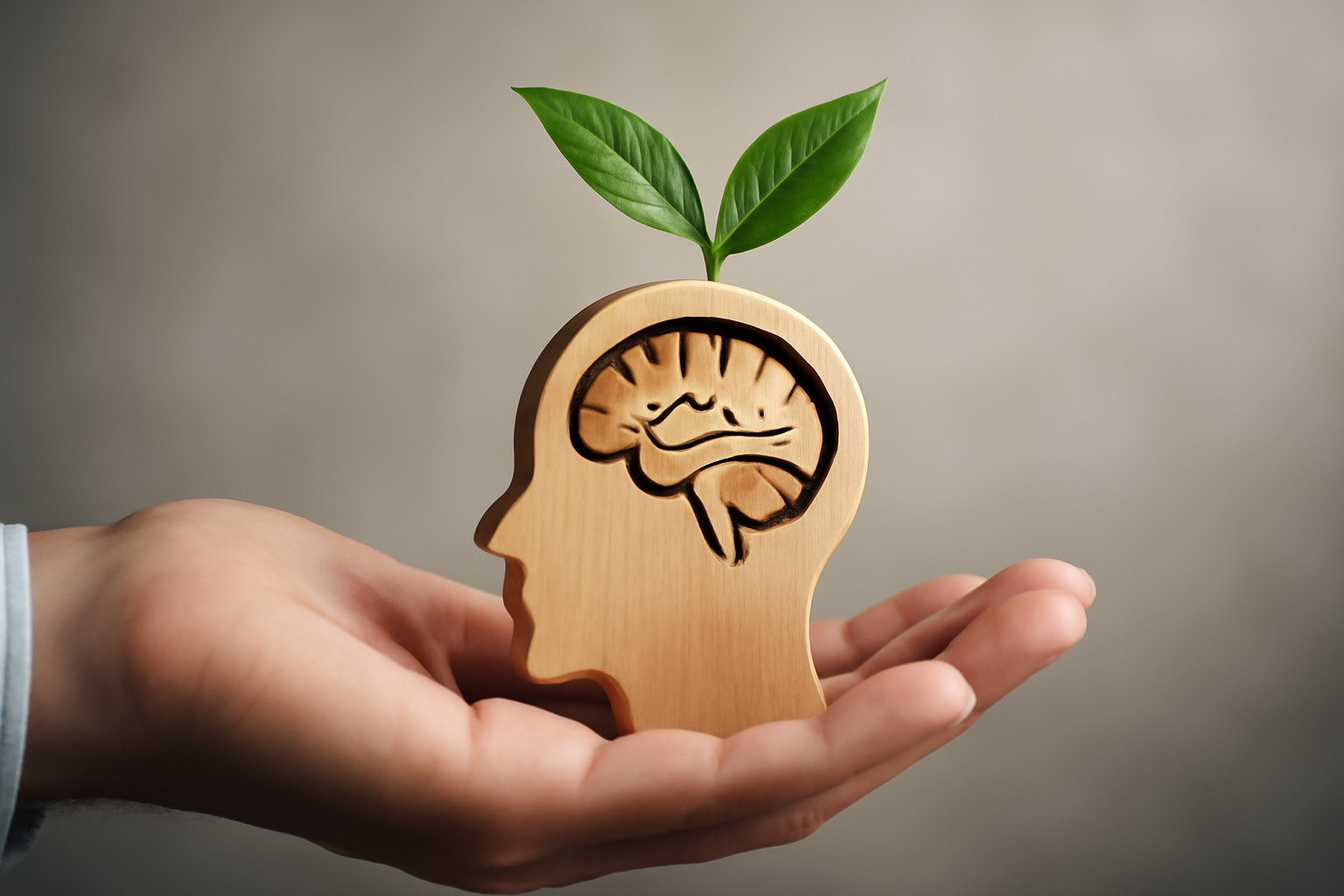
Integrative mental health blends standard medical and psychotherapeutic practices with complementary, lifestyle-based, and mind–body approaches. Common components include:
- Conventional medical care and psychotherapy: psychiatrists, psychologists, or primary care providers may diagnose conditions, prescribe evidence-based medications when appropriate, and offer evidence-based therapies such as cognitive-behavioral therapy (CBT), dialectical behavior therapy (DBT), or interpersonal therapy.
- Mind–body practices: mindfulness, meditation, breathing exercises, and biofeedback that help regulate stress responses and improve emotional regulation.
- Physical health strategies: regular physical activity, sleep optimization, and stress reduction techniques that support brain health and mood stability.
- Nutrition and gut-brain health: balanced diets (e.g., Mediterranean-style patterns), omega-3 fats, fiber-rich foods, and attention to gut health as part of mental well-being.
- Physical modalities and therapies: yoga or tai chi, acupuncture, massage, and gentle movement that can reduce symptoms and improve overall functioning when used appropriately.
- Supplements and botanicals with caution: certain evidence-based supplements or botanicals may support mood and sleep for some individuals, but safety, dosing, and potential interactions must be reviewed with a clinician.
- Prevention, resilience, and lifestyle coaching: stress management, time management, social connection, and meaning-focused activities that promote long-term mental health.
How integrative solutions combine conventional and alternative approaches
Integrative care emphasizes collaboration, safety, and personalization. Key ways these approaches come together include:
- Patient-centered care: treatment plans are tailored to individual goals, preferences, and values, with clear discussion of risks and benefits for each option.
- Care coordination: a primary clinician, mental health professional, and any complementary practitioners communicate to ensure compatibility and prevent conflicting treatments.
- Shared decision-making: patients actively participate in choosing therapies, monitoring effects, and adjusting plans as needed.
- Safety and evidence orientation: clinicians assess interactions (for example, between medications and botanicals or supplements) and prioritize strategies with solid scientific support.
- Holistic assessment: providers consider sleep, nutrition, activity, stress, relationships, and environment as integral to mental health, not just symptoms in isolation.
- Stepwise and flexible goals: plans start with foundational practices (sleep, activity, stress management) and layer in therapies as appropriate and tolerable.
Evidence-based integrative strategies
The strength of evidence varies across strategies, but many integrative practices have solid support for certain conditions or populations. Examples include:
- Mindfulness-based therapies: Mindfulness-Based Stress Reduction (MBSR) and Mindfulness-Based Cognitive Therapy (MBCT) show benefits for anxiety, depression, and stress management. Regular practice can reduce symptoms and improve well-being for many people.
- Cognitive-behavioral and related therapies: CBT and DBT remain foundational for mood and anxiety disorders, with strategies that can be paired with mindfulness and stress-reduction techniques.
- Exercise and physical activity: Regular aerobic and strength training activities are associated with reduced depressive symptoms, improved mood, and greater resilience. Even moderate activity can make a meaningful difference for many individuals.
- Sleep optimization: Consistent sleep routines, reduced screen time before bed, and good sleep hygiene support emotional regulation and stress resilience, particularly for mood disorders.
- Nutrition and gut-brain health: Diets rich in fruits, vegetables, fiber, and healthy fats (e.g., omega-3s) are linked to better mood and cognitive function in some studies; attention to micronutrient adequacy matters as well.
- Light and circadian health: Bright light exposure and regular sleep-wake schedules can help with seasonal mood changes and overall mood regulation.
- Acupuncture and mind-body therapies: Some individuals report symptom relief from acupuncture or other traditional modalities, particularly for anxiety, pain, and sleep problems; evidence ranges by condition and requires consultation with a qualified practitioner.
- Personalized risk–benefit balancing: for some people, targeted supplements (e.g., certain omega-3s, vitamin D if deficient) may complement treatment when guided by a clinician, with careful monitoring for interactions or side effects.
Benefits of an integrative approach
- Personalization: care plans reflect individual biology, preferences, and life context, which can increase engagement and adherence.
- Comprehensive symptom management: addressing sleep, nutrition, stress, and physical health alongside psychotherapy and medication can improve overall functioning.
- Reduced treatment burden: combining modalities may reduce reliance on any single intervention and offer alternatives if one approach isn’t well tolerated.
- Focus on prevention and resilience: lifestyle optimization and early intervention can support long-term mental health and reduce relapse risk.
- Greater patient empowerment: patients learn tools they can apply daily, building skills for lifelong well-being.
Finding qualified integrative practitioners
Locating reputable, well-matched providers is essential for successful integrative care. Consider these steps:
- Check credentials: look for licensed clinicians (psychiatrists, psychologists, primary care physicians) who have formal training in integrative medicine, mind–body approaches, or lifestyle medicine. Ask what certifications or continuing education they have in integrative practices.
- Ask about approach and evidence: discuss how they blend therapies, what evidence supports their recommendations, and how they monitor progress and safety.
- Look for collaboration: inquire whether they coordinate with your other providers to ensure consistent care and medication safety.
- Explore patient experience: seek reviews or ask for client testimonials, and consider a preliminary consultation to gauge fit and communication style.
- Accessibility and logistics: consider location, scheduling flexibility, and whether services are covered by insurance or offered on a sliding scale.
- Specialty alignment: if you have a specific condition (e.g., depression with sleep disturbance), find practitioners experienced in that area and comfortable with a multimodal plan.
Practical considerations
- Safety first: always discuss supplements, botanicals, or new modalities with your prescribing clinician to avoid interactions with medications or contraindications based on medical history.
- Start small and monitor: introduce one new practice at a time, track symptoms, energy, sleep, and mood, and adjust as needed.
- Set realistic goals: agree on measurable outcomes (e.g., sleep quality improvements, reductions in anxiety scores, or daily activity levels) to track progress.
- Budget and access: consider cost, time commitment, and insurance coverage; ask about evidence-based options with the best balance of benefit and accessibility.
- Cultural and personal values: choose approaches that align with your beliefs and preferences to support sustainable engagement.
- Data and privacy: ensure that your health information is handled securely, especially when using digital apps or wearable devices as part of care.
- Ethical care: if an approach feels unsafe, burdensome, or not effective after a fair trial period, discuss alternatives with your care team rather than continuing ineffective or risky therapies.
Remember, integrative care is about collaboration between you and your health team. The goal is to create a cohesive plan that respects your values, leverages evidence-based practices, and supports your daily functioning and long-term well-being.
⚠️ This content is for informational purposes only and is not a substitute for professional medical advice, diagnosis, or treatment. Always consult a licensed physician, psychiatrist, psychologist, or other qualified healthcare professional before making decisions about medications, mental health treatment, or alternative and holistic treatment.