
An integrative approach to mental health recovery combines evidence-based care with complementary practices, lifestyle changes, and social supports to address mental health across mind, body, and community. This holistic view helps people tailor care to their values and life context, aiming for more than symptom relief alone.
Understanding how integrative care works can reduce fragmentation in treatment, empower personal agency, and address underlying factors that contribute to distress. By looking at biological, psychological, social, and environmental dimensions together, recovery can feel more practical, sustainable, and hopeful.
In this post, you’ll find a clear overview of what integrative mental health care includes, how it supports recovery on multiple levels, evidence-based strategies that fit into everyday life, the role of both conventional and complementary treatments, guidance on finding qualified practitioners, and practical considerations for starting and maintaining a recovery plan.
What an integrative approach includes
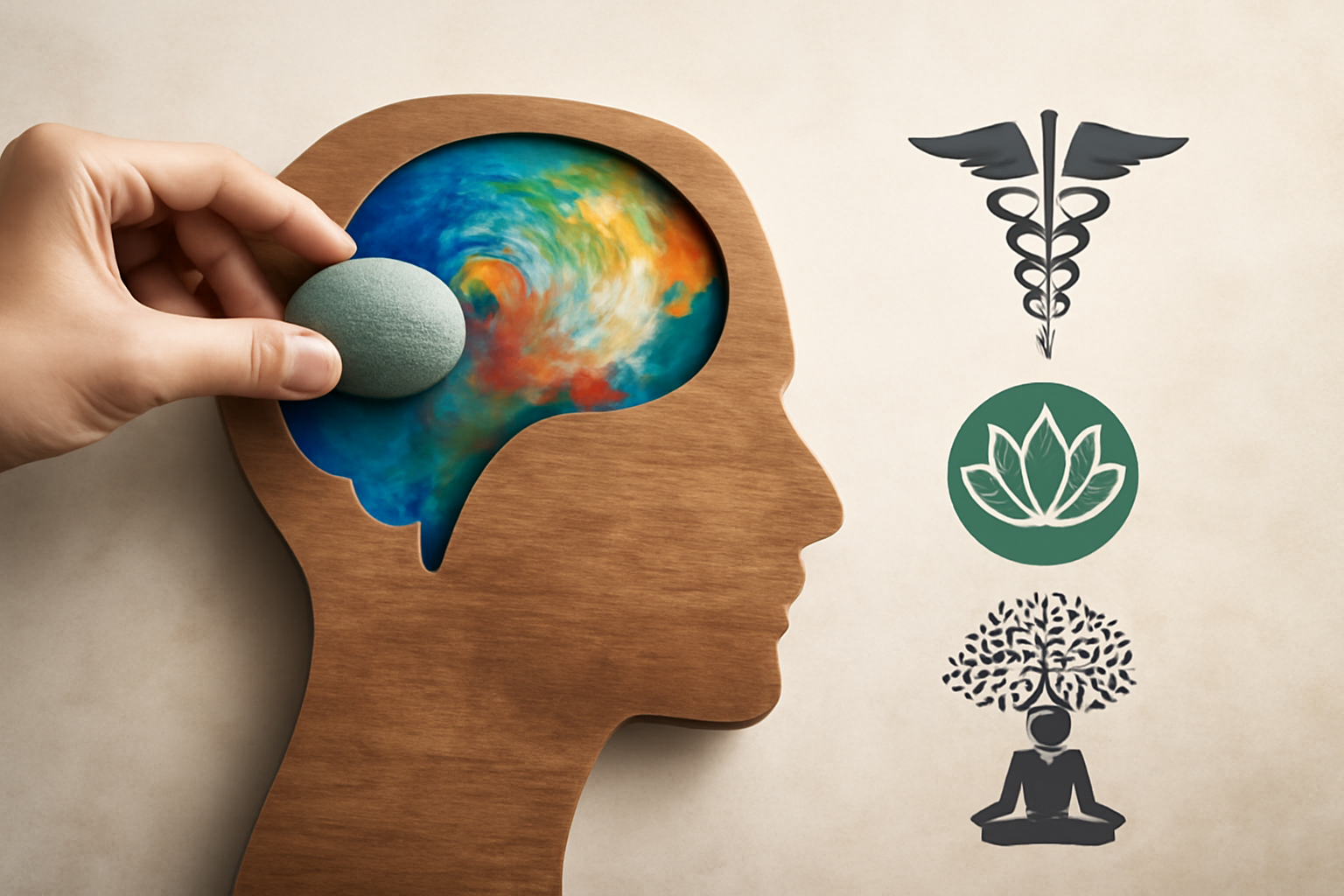
An integrative approach blends traditional mental health care with evidence-based complementary practices, guided by individual needs and goals. It emphasizes collaboration among providers and a person-centered plan that respects preferences, cultural context, and safety.
- : regular assessments with primary care physicians, psychiatrists, psychologists, and other licensed clinicians to diagnose conditions, monitor symptoms, review medications, and coordinate care.
- Psychotherapeutic therapies: evidence-based modalities such as cognitive-behavioral therapy (CBT), dialectical behavior therapy (DBT), acceptance and commitment therapy (ACT), and other therapies tailored to mood, anxiety, trauma, or stress-related challenges.
- Medication management when needed: pharmacological approaches guided by a clinician, used in combination with therapy and lifestyle changes, with ongoing monitoring for benefits and side effects.
- Mind–body practices: interventions such as mindfulness, meditation, breathing exercises, progressive muscle relaxation, biofeedback, and other techniques that help regulate stress responses.
- Physical health and activity: regular movement, aerobic and strength-building exercise, and guidance to support energy, sleep, mood, and overall resilience.
- Sleep and circadian health: strategies to stabilize sleep patterns, improve sleep quality, and align daily routines with natural rhythms.
- Nutrition and gut health: dietary patterns that support brain health (for example, balanced meals with fiber, healthy fats, and adequate micronutrients) and attention to gut–brain interactions.
- Social support and community: connections with family, friends, peer supports, and community resources that foster belonging, accountability, and practical help.
- Stress management and resilience: skills to identify triggers, cope adaptively, and recover from setbacks through planning and problem solving.
- Environment and daily routines: consideration of work, living space, pollution, noise, safety, and access to resources that influence mental well-being.
How it supports recovery on multiple levels
Recovery is rarely about a single change. An integrative approach acknowledges interconnections among biology, behavior, relationships, and meaning. This multi-layer support can reduce symptoms while enhancing function, satisfaction in daily life, and the capacity to cope with future stressors.
- Biological level: addressing inflammation, sleep disruption, nutrition, and physical activity can influence mood regulation, energy, and neural function. Regular sleep, movement, and balanced meals contribute to more stable daytime functioning.
- Psychological level: skills-based therapies build coping, cognitive flexibility, and emotional regulation. Mind–body practices reduce rumination and cultivate present-moment awareness, which supports self-efficacy and control.
- Social level: supportive relationships, peer networks, and community engagement provide practical assistance, accountability, and a sense of belonging that buffers stress.
- Functional level: improved sleep, energy, and mood can enhance daily tasks, work or school performance, and social participation, creating positive feedback loops for recovery.
- Meaning and identity: alignment with values, purpose, and personal narrative fosters motivation and resilience, making it easier to stay engaged in treatment and self-care.
Evidence-based integrative strategies
Several practices have a growing body of evidence and are commonly used as part of integrative mental health care. The goal is to combine them in ways that fit your symptoms, preferences, and life circumstances.
- Mindfulness and meditation: regular mindfulness-based practices can reduce stress reactivity, improve attention, and support mood regulation. Programs like mindfulness-based stress reduction (MBSR) or mindfulness-based cognitive therapy (MBCT) are commonly used in mental health care.
- Exercise and physical activity: consistent aerobic and resistance training is linked with reduced anxiety and depression symptoms, enhanced mood, and better cognitive function. Start with achievable goals and gradually increase activity.
- Sleep optimization: establishing consistent bedtimes, a wind-down routine, and a sleep-friendly environment improves mood, energy, and cognitive performance.
- Balanced nutrition: diets rich in vegetables, fruits, whole grains, lean proteins, and healthy fats support brain health and overall well-being. Staying hydrated and limiting highly processed foods can also help mood stability.
- Gut health and inflammation management: recognizing the connection between gut health, inflammation, and mood can guide dietary choices and, when appropriate, probiotic or prebiotic strategies under professional guidance.
- Breathwork and stress regulation: slow, diaphragmatic breathing and other breathing techniques can quickly reduce acute stress and improve emotional control.
- Light exposure and daily rhythms: regular daylight exposure and consistent daily routines support circadian health, which is linked to mood and energy levels.
- Social connectedness and community involvement: structured social supports, group therapy, and peer-led programs contribute to resilience and accountability.
Role of conventional and complementary treatments
Conventional care — such as assessment, psychotherapy, and, when appropriate, medication — remains foundational. Complementary approaches, when used with professional guidance, can enhance engagement, provide additional coping tools, and address aspects of well-being that medication or therapy alone may not fully cover.
The integrative model emphasizes collaboration: clinicians communicate about goals and progress, monitor potential interactions, and adjust plans as needs change. It also prioritizes safety, avoids “treating the whole person” with a single method, and recognizes that some practices may be more helpful for some people than others. Always discuss any new supplement, therapy, or lifestyle change with your care team to ensure compatibility with existing treatments and medical conditions.
Finding qualified integrative practitioners
If you’re exploring integrative mental health care, aim for practitioners who prioritize collaboration, transparency, and safety. Here are practical steps to locate trustworthy options.
- Seek clinicians who provide collaborative care and are open to discussing goals, evidence, and risk alongside you.
- Ask about credentials and training in integrative or functional medicine, psychotherapy, nutrition, or mind–body therapies. Look for recognized programs or a track record of supervision and ongoing education.
- Inquire about how care plans are coordinated among providers and how you will be updated about progress and changes.
- Check licensing and board certifications relevant to mental health and any integrative disciplines. If you’re considering supplements or specialized therapies, confirm safety planning and monitoring.
- Discuss accessibility, scheduling, telehealth options, and potential costs or insurance coverage, including sliding-scale possibilities.
If you’re unsure where to start, consider asking a trusted primary care clinician for referrals to psychiatrists, psychologists, nutritionists, and mind–body specialists who have experience working in a collaborative, integrative framework.
Practical considerations for recovery
Building a sustainable recovery plan means turning ideas into daily habits. Practical considerations help translate evidence into action while honoring individual differences.
- Set clear, realistic goals: break big goals into small steps, set measurable milestones, and review progress regularly with your care team.
- Create a flexible routine: establish wake, meal, activity, and wind-down times to support consistency without rigidity that feels punitive.
- Keep a simple tracker: monitor mood, sleep, energy, and what activities help or hinder well-being. Use a notebook or a simple app you trust.
- Plan for crises: know early warning signs, have a crisis plan, and share it with trusted contacts and clinicians so help is available quickly if needed.
- Build a support network: engage with friends, family, peer groups, and community resources. Social connection is a powerful buffer against distress.
- Prioritize safety and consent: respect boundaries, obtain informed consent for therapies and supplements, and pause practices that cause discomfort or harm.
- Address barriers to care: consider transportation, financial constraints, childcare, and language needs. Seek options like teletherapy or community clinics when possible.
- Respect pace and personal values: recovery is personal. If a preferred approach isn’t a good fit, collaboratively adjust the plan rather than abandoning it entirely.
⚠️ This content is for informational purposes only and is not a substitute for professional medical advice, diagnosis, or treatment. Always consult a licensed physician, psychiatrist, psychologist, or other qualified healthcare professional before making decisions about medications, mental health treatment, or alternative and holistic treatment.