
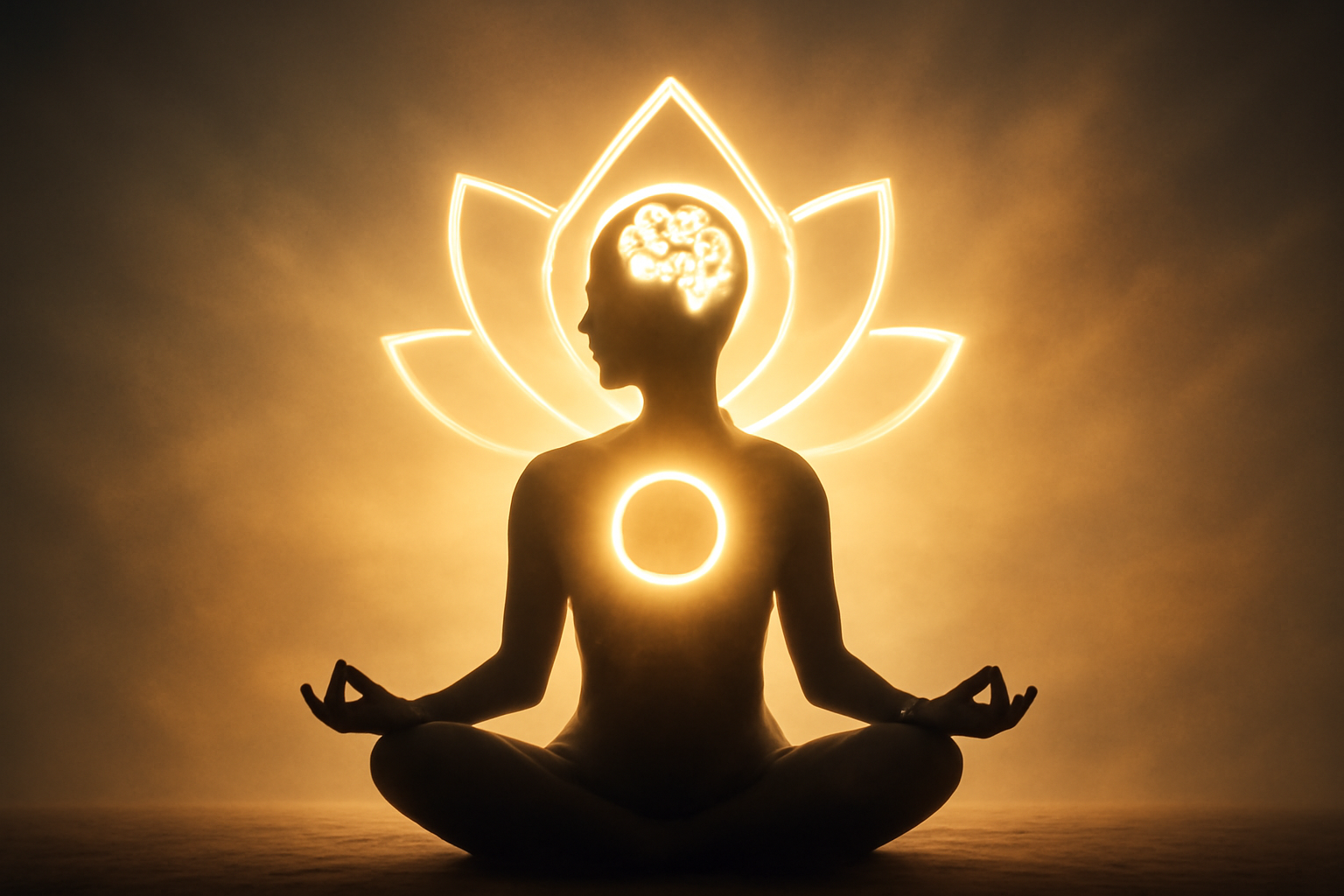
Holistic healing for mental health focuses on supporting the whole person — mind, body, and spirit — rather than treating any one symptom in isolation. By recognizing how thoughts, emotions, physical well-being, and meaning intersect, you can choose practices that fit your life and values, building resilience and lasting well-being.
This approach blends science, lived experience, and personal meaning to promote balance, reduce distress, and nurture growth. It does not replace conventional care when that is needed, but it offers complementary strategies that can enhance mood, reduce stress, improve sleep, and foster a sense of purpose and connectedness.
Principles of Holistic Healing
- Person-centered care: You are treated as a whole person with unique history, preferences, and goals.
- Mind-body-spirit integration: Mental health, physical health, and personal meaning are seen as interconnected systems.
- Prevention and resilience: Practices emphasize skills and routines that strengthen capacity to cope with stress before problems become entrenched.
- Whole-systems view: Nutrition, sleep, movement, environment, relationships, and spirituality are considered in concert.
- Cultural humility and inclusivity: Approaches honor diverse backgrounds, beliefs, and traditions.
- Collaborative care: Practitioners often work with other health professionals to coordinate safe, effective care.
- Self-empowerment and ongoing learning: Individuals are encouraged to develop knowledge, ask questions, and participate actively in choices.
- Safety, ethics, and evidence: Practices are chosen with attention to safety, consent, and the best available information.
Holistic Healing Modalities
Mindfulness and meditation-based practices
These practices cultivate present-moment awareness and a nonjudgmental stance toward experience. They can reduce rumination, lower stress reactivity, and improve emotional regulation. Common forms include breath-focused meditation, body scan, loving-kindness practices, and guided mindfulness programs.
Movement and body therapies
Movement supports nervous system regulation, muscular tension release, and mood. This category includes yoga, tai chi, qigong, walking programs, and other gentle or vigorous movement approaches. The emphasis is on steadiness, breath, and mindful alignment rather than performance.
Sleep hygiene and circadian health
Quality sleep is foundational for mood, cognition, and resilience. Holistic strategies emphasize regular sleep schedules, light exposure, winding-down rituals, and environment optimization to support restorative rest.
Nutrition and gut-brain axis
What we eat can influence mood, energy, and cognitive function. Holistic care highlights balanced meals, regular eating patterns, hydration, and attention to gut health, including fiber-rich foods and sources of diverse microbiota. Some approaches may include individualized dietary adjustments in collaboration with healthcare providers.
Nature and ecotherapy
Connection with nature can soothe stress, improve attention, and uplift mood. Practices range from structured outdoor activities to nature-based therapies, therapeutic gardening, and mindful outdoor walks that anchor presence in natural settings.
Breathwork and pranayama
Controlled breathing techniques can modulate the nervous system, reduce physiological arousal, and support calm during difficult moments. Techniques vary from slow, diaphragmatic breathing to dynamic patterns used in various traditions.
Expressive arts therapies
Art, music, writing, dance, and drama offer nonverbal pathways to process emotion, gain insight, and foster resilience. Expressive work can supplement talk-based approaches by accessing different parts of experience and meaning.
Traditional and complementary modalities
Acupuncture, herbal medicine, Ayurveda, and traditional Chinese medicine often address energetic balance, circulation, and systemic harmony. When offered by qualified practitioners, these modalities can support mood, sleep, digestion, and overall vitality as part of an integrative plan. It’s important to discuss any herbal or herbal-derived products with a healthcare provider to avoid interactions with medications.
Body-based therapies and somatic approaches
These therapies focus on the body’s sensations and autonomic nervous system patterns to reduce tension, release stored trauma, and restore a sense of safety. Examples include massage, somatic experiencing, and other touch-informed modalities, always with informed consent and reputable practitioner training.
How holistic practices address mind-body-spirit connection
Holistic healing treats mental health as a dynamic system in which thoughts, feelings, physical function, relationships, environment, and beliefs influence one another. Mindful awareness can interrupt automatic worry cycles, breathing practices can calm the stress response, movement can reduce fatigue and anhedonia, and meaningful activity can restore motivation and purpose. By aligning daily routines, social connections, and personal values with evidence-based practices, individuals often experience improved mood, better sleep, clearer thinking, and a stronger sense of agency. Even when outcomes vary by modality, many people report a greater sense of coherence and empowerment when they actively participate in a diverse, holistic plan.
Evidence and Benefits
Research supports several holistic approaches for mental health, while others require more high-quality trials. Key takeaways include:
- Mindfulness and meditation have robust evidence for reducing anxiety and depressive symptoms, improving attention, and enhancing stress resilience.
- Regular physical activity is consistently linked to mood enhancement, cognitive benefits, and lower risk of depression and anxiety disorders.
- Sleep optimization improves emotional regulation, cognitive performance, and overall well-being; poor sleep is a common contributor to mood difficulties.
- Breathwork can rapidly modulate the autonomic nervous system and reduce physiological arousal associated with stress and panic.
- Nature exposure and ecotherapy show promising effects on mood, fatigue, and attention, though mechanisms are still being explored.
- Nutrition and gut-brain axis research is growing; evidence supports the role of diet quality in mood and brain function, though individual responses differ.
- Traditional modalities (like acupuncture or herbal medicine) offer potential benefits for some individuals, particularly when integrated with standard care and practiced by qualified professionals; evidence varies by modality and context.
Across modalities, safety, personal fit, and coordination with conventional care are essential. Holistic healing is most effective when it respects existing treatment plans, avoids contraindicated combinations, and emphasizes gradual, sustainable change rather than quick fixes.
Finding qualified holistic healers
- Clarify your goals and preferred modalities. Do you want stress reduction, mood support, sleep improvement, or a broader sense of meaning?
- Check credentials and scope of practice. Licensed mental health professionals who incorporate mindfulness, yoga therapy, or nutrition coaching can offer integrated care. For other modalities, seek practitioners with reputable training, clear certifications, and positive client feedback.
- Ask about treatment plans and collaboration. A good practitioner will discuss goals, expected timelines, potential risks, and whether to involve your primary care provider or psychiatrist.
- Inquire about safety, contraindications, and compatibility with medications. Some herbs, supplements, or practices can interact with prescriptions.
- Review accessibility, cost, and scheduling. Consider whether remote or in-person options better fit your life and whether sliding-scale or insurance coverage is available.
- Seek trauma-informed and culturally respectful care. Comfort, safety, and trust are essential for meaningful engagement.
Considerations when pursuing holistic healing
- Integrate with conventional care: For many conditions, a collaborative approach that includes medical or psychiatric treatment yields the best outcomes. Always inform your healthcare team about any holistic therapies you pursue.
- Set realistic expectations: Holistic practices often require consistency over weeks to months. Be wary of methods promising instant cures.
- Respect contraindications and safety: Some modalities may not be appropriate for certain mental health conditions, medical illnesses, or during pregnancy. Always consult with a qualified professional before starting a new regimen.
- Align with personal values: Choose practices that feel meaningful and sustainable, rather than adopting every popular trend.
- Assess accessibility and equity: Consider transportation, caregiver needs, and financial resources. Holistic care should be as accessible and inclusive as possible.
- Practice self-compassion: Changing routines and beliefs can be challenging. A gentle, patient approach supports long-term change and reduces self-criticism.
⚠️ This content is for informational purposes only and is not a substitute for professional medical advice, diagnosis, or treatment. Always consult a licensed physician, psychiatrist, psychologist, or other qualified healthcare professional before making decisions about medications, mental health treatment, or alternative and holistic treatment.