
Forest bathing, or shinrin-yoku, is a mindful immersion in nature designed to calm the nervous system, lift mood, and build resilience to stress. By slowing down, tuning the senses, and letting go of digital distractions, it can lower stress hormones, ease rumination, and improve sleep and focus.
This article explains what forest bathing is, the science behind it, what to expect during a session, practical steps to practice, and how it fits with other mental health care.
What forest bathing is
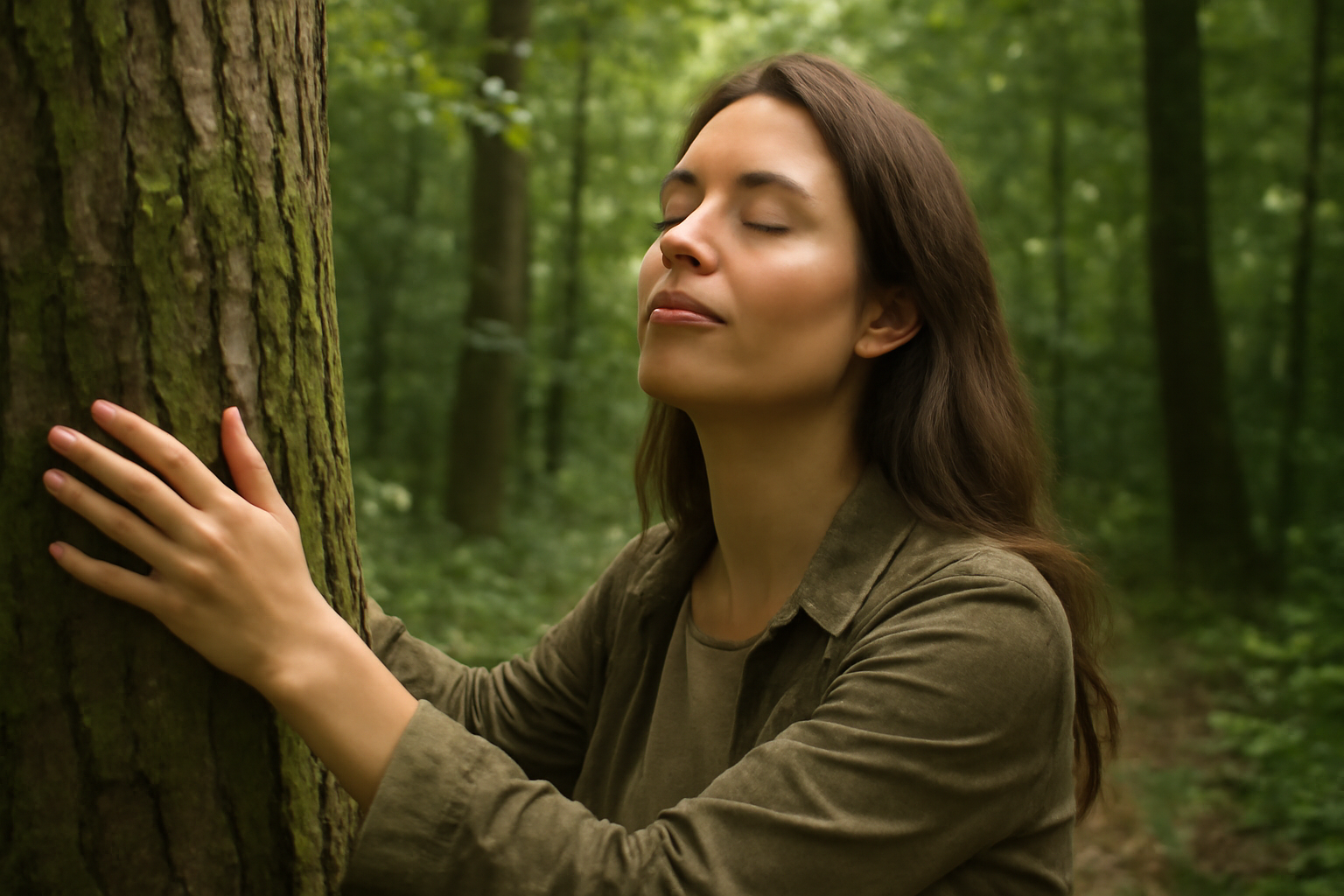
Shinrin-yoku is not a workout or a hike. It’s an intentional period spent in a forest or wooded area with attention to the present moment — watching, listening, smelling, and feeling with curiosity. You may walk slowly, sit, or lie down, allowing your senses to guide your experience rather than chasing a destination or pace. Participants are encouraged to avoid rushing toward a goal and instead listen to the environment. It can be performed alone or with others, making it adaptable to different learning styles and physical abilities.
Origins in Japan during the 1980s organized as a public-health concept, shinrin-yoku has since spread globally as a practice for stress reduction, mood regulation, and personal balance. Whether you’re in a city park or a forest trail, the core idea remains the same: cultivate awareness of nature to nourish well-being.
Research and science behind forest bathing
Researchers have documented a range of positive effects on mental and physical health after forest immersion, including reduced stress hormones, lower blood pressure, improved heart rate variability, and enhanced mood. Studies indicate that even short visits can produce measurable changes in psychological well-being, attention, and immune function. Although results vary, the overall pattern suggests that time in nature can support psychological resilience and recovery from stress. Dose and context matter, with longer or more frequent visits often yielding stronger effects.
Scientists point to several mechanisms: sensory-rich exposure that slows the nervous system, a shift from threat-focused thinking to present-moment awareness, and restorative experiences that refresh cognitive resources. Some work highlights the role of sunlight, fresh air, and microbial communities in forest environments as supporting factors for mood and vitality. Together, these insights help explain why a simple walk in the woods can feel so restorative after a difficult day.
How nature immersion affects mental health
Nature immersion supports mental health in several interrelated ways:
- Stress reduction: lower cortisol levels and calmer autonomic balance (parasympathetic activation).
- Mood and emotion: diminished anxiety and depressive symptoms, enhanced positive affect and resilience.
- Attention and cognitive function: reduction in rumination and improved focus after restorative breaks.
- Sleep and energy: improved sleep quality and daytime energy for many participants.
- Social and existential well-being: a sense of connection, meaning, and belonging in shared nature experiences.
These effects can accumulate over weeks and months with regular practice. The most meaningful gains often come from consistency — even brief, repeated visits build a foundation for greater psychological flexibility and calmer daily living.
What to expect from forest bathing
Expect a gentle, nonjudgmental approach to time in nature. Sessions are typically open-ended and guided by intention rather than goal-oriented activity. You may notice a slower heartbeat, deeper breathing, and a sense of spaciousness in your thoughts. Some people experience emotional release or a sense of grounding; others feel simply calmer and more present. Sessions commonly last 60 to 120 minutes, though shorter or longer durations are perfectly suitable depending on the setting and your comfort.
Because forest bathing emphasizes present-moment awareness, you are encouraged to stay with sensory experience rather than “doing” tasks. Access to a quiet space, comfortable clothing, and a path that suits mobility helps most participants engage more fully. For some, the first experience may feel unfamiliar or odd; with regular practice, many notice greater ease with stress and a gentler relationship to worry. If you have allergies, insect exposure, or weather concerns, plan accordingly to maximize comfort and safety.
How to practice forest bathing
Use this flexible guide to tailor sessions to your needs:
- Choose a safe, respectful natural setting — whether a city park, a university campus green space, or a forest trail. Plan for a duration that fits your day (20–60 minutes is a practical starting point).
- Prepare your environment: turn off notifications, wear comfortable shoes, bring water, and dress for the weather. You may choose to bring a small journal or notepad for reflective notes.
- Set an intention, then slow down: walk at a natural pace or stop at intervals to observe. Let sounds, textures, and scents guide your attention.
- Engage the senses with a simple exercise: notice five things you can see, four you can hear, three you can feel, two you can smell, and one you can taste (if safe and appropriate).
- Alternate walking with stillness: stand or sit for several minutes to absorb the environment, then resume at a relaxed pace.
- Wrap up with observation: reflect on how you feel, what surprised you, and any thoughts you’d like to carry into daily life.
- Safety and accessibility: choose routes with even footing, bring sun protection or rain gear as needed, and avoid wilderness areas without a map or companion if you’re unfamiliar with the terrain.
Guided versus solo practice
Guided forest bathing offers structure: a trained guide may provide prompts, timing, and support, helpful for beginners or those exploring difficult emotions in nature. Group settings can foster social connection and shared reflection, but some people prefer the privacy and pace of solo practice. In a guided session you may experience a sequence of sensory awareness practices, breathing exercises, or reflective questions that you can adapt for solo use later.
Solo practice supports personal pacing and intimate attention to your own experiences. If you choose solo practice, consider documenting your observations in a journal and setting a clear boundary for time and space to ensure safety and comfort. Regardless of format, consistency — regular sessions or a planned weekly walk — often yields the strongest long-term benefits.
Integration with other mental health care
Forest bathing is best viewed as a complementary practice that can augment existing mental health care, not a replacement for clinical treatment. It can support skills learned in therapy, such as mindfulness, emotion regulation, and cognitive reframing. For people receiving psychotherapy or pharmacological treatment, use forest bathing as a home practice between sessions to reinforce coping strategies and reduce distress between visits.
To maximize integration: coordinate with your clinician about your nature practice, monitor mood and sleep changes, and set realistic expectations. If you have trauma history, severe depression, or psychosis, discuss safety and suitability with a mental health professional before starting regular nature sessions. When integrated thoughtfully, nature immersion can enhance motivation, grounding, and a sense of self-efficacy in managing symptoms.
Key takeaways
- Forest bathing is a mindful, sensory-focused time in nature designed to reduce stress and support mental well-being.
- Evidence suggests benefits for mood, attention, sleep, and stress physiology, with effects that can begin after short sessions.
- Practice can be guided or solo. Choose the format that matches your comfort, goals, and safety needs.
- Use forest bathing as a complement to other therapies, not a substitute, and coordinate with health care providers when needed.
⚠️ This content is for informational purposes only and is not a substitute for professional medical advice, diagnosis, or treatment. Always consult a licensed physician, psychiatrist, psychologist, or other qualified healthcare professional before making decisions about medications, mental health treatment, or alternative and holistic treatment.
