
Understanding alternative treatments for depression is important because it expands options beyond medications and standard talk therapy. Depression can manifest as mood changes, fatigue, sleep disruption, and reduced functioning, andmany people benefit from approaches that complement traditional care and give a sense of proactive control over their well-being.
In this guide you’ll find evidence-based options such as physical activity, mindfulness and breathwork, sleep and nutrition strategies, light therapy, and mind–body practices. We explain how these approaches can fit with conventional treatment, offer practical steps to start, and outline safety considerations to keep you engaged and safe as you explore new tools. The goal is informed, collaborative care — not a replacement for professional help when it’s needed.
Evidence-based alternative approaches
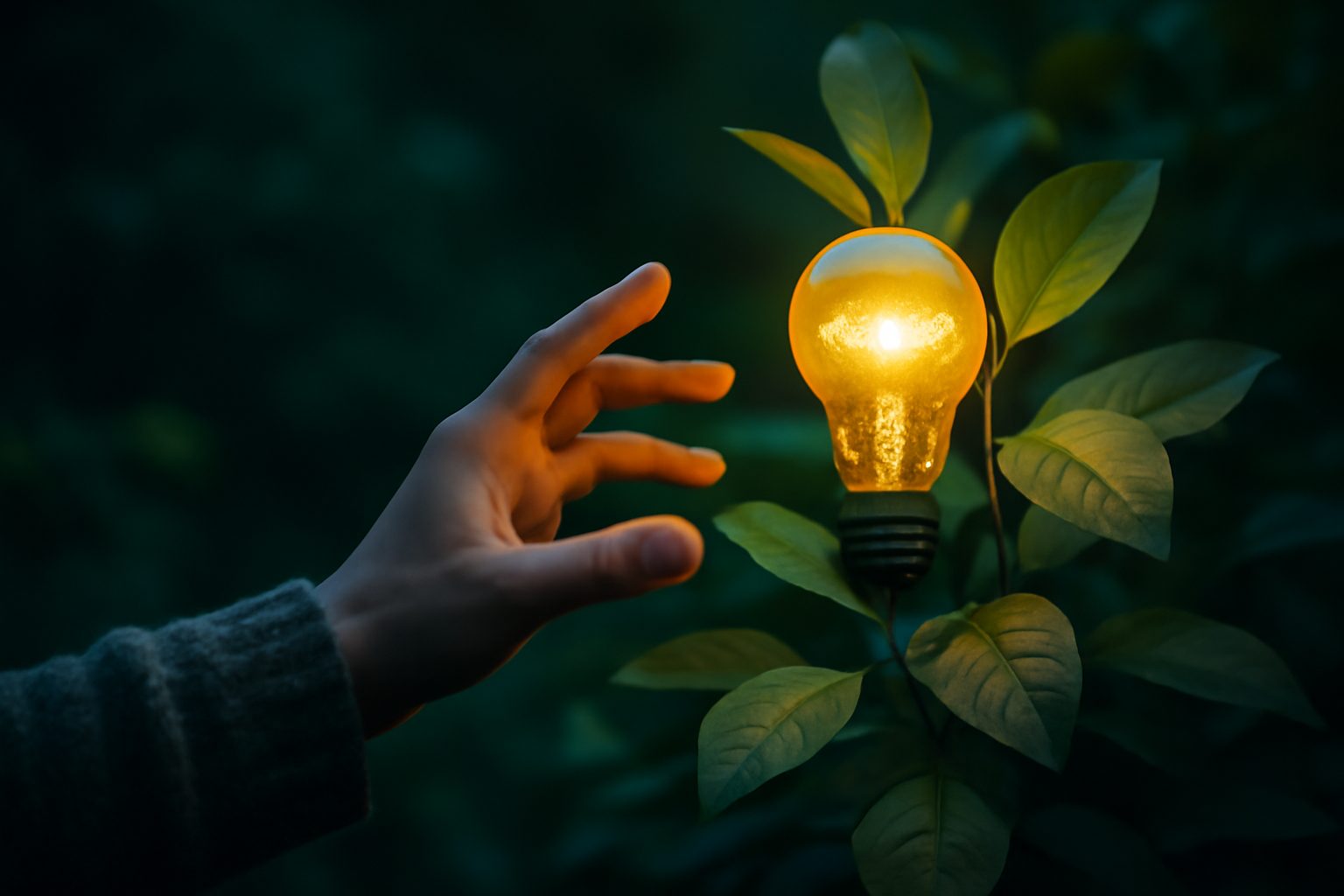
Physical activity and exercise
Regular physical activity is one of the most consistently supported non-pharmacological options for reducing depressive symptoms. Exercise can improve mood, energy, sleep, and cognitive function, and it also supports overall health. Benefits tend to accumulate with consistency, and multiple formats can work — from brisk walking and cycling to dancing or team sports.
Practical tips to get started: choose activities you enjoy, aim for mostly moderate intensity, and start with small goals (for example, 10–15 minutes several days a week) and gradually build up. Pair activities with social elements when possible (walking with a friend, group classes) to boost motivation. If you’re currently on antidepressants or have a chronic condition, coordinate with your clinician before starting a new exercise plan to ensure it’s appropriate for you.
Mindfulness, meditation, and breathwork
Mindfulness-based approaches, including mindfulness-based stress reduction (MBSR) and mindfulness-based cognitive therapy (MBCT), have shown benefits for depressive symptoms and relapse prevention, especially for people with recurrent depression or anxiety comorbidity. Short daily practices — even 5 to 10 minutes — can help regulate stress responses and improve awareness of mood patterns.
Simple entry points include guided meditations, slow breathing exercises, or body-scan practices. Building consistency is key; look for reputable guided programs or apps, and consider pairing mindfulness sessions with existing routines (e.g., after a morning coffee or before bed) to make them easier to maintain.
Sleep hygiene and circadian rhythm
Poor sleep quality and irregular sleep patterns are common in depression and can worsen symptoms. Prioritizing sleep health — regular bedtimes, wake times, and a relaxing pre-sleep routine — can yield meaningful improvements in mood and daytime functioning.
Strategies include: setting a consistent schedule, limiting caffeine late in the day, reducing screen time before bed, creating a comfortable sleep environment, and using light exposure or darkness to support your circadian rhythm. If sleep problems persist, discuss them with a clinician, as they may require targeted interventions or evaluation for disorders such as insomnia.
Diet, nutrition, and gut health
Dietary patterns associated with lower depression risk often emphasize a Mediterranean-style diet rich in fruits, vegetables, whole grains, lean proteins, healthy fats, and fiber. Some people notice improved energy and mood when they adopt similar patterns. Omega-3 fatty acids, found in fatty fish, walnuts, and flaxseeds, have been studied for mood support, though results vary by individual.
Practical steps include planning balanced meals, prioritizing regular eating times, and limiting ultra-processed foods and added sugars that can affect energy and sleep. If you’re considering supplements, discuss with a clinician to avoid interactions with medications or medical conditions.
Bright light therapy
Light exposure can help regulate mood, particularly in seasonal affective disorder (SAD) or winter depressions. Morning light therapy sessions of roughly 20–30 minutes can improve energy and mood for some people. It’s important to use a device designed for clinical use and to follow safety guidelines; people with certain eye conditions or bipolar disorder should discuss this option with a clinician before starting.
Yoga, tai chi, and other mind–body practices
Mind–body practices combine movement, breath, and awareness and have a growing evidence base for mood enhancement, stress reduction, and better sleep. Yoga and tai chi can be particularly accessible because they incorporate gentle physical activity with a calming focus. Start with beginner classes or short online sessions and adapt poses or routines to your comfort level and any physical limitations.
Herbal supplements and acupuncture
Some people explore herbal approaches such as St. John’s Wort; however, these can interact with prescription antidepressants, birth control, and other medications, and aren’t appropriate for everyone (including people with bipolar disorder). If you’re considering herbs, consult a clinician or pharmacist to review interactions and safety. Acupuncture has mixed evidence for depression, with some studies suggesting modest benefits and others showing no clear advantage. If pursued, seek licensed, qualified practitioners and discuss integration with your ongoing treatment plan.
Social connectedness and structured activities
Maintaining social connections, joining support groups, or engaging in meaningful activities can buffer depressive symptoms. Social engagement provides accountability, reduces isolation, and offers practical support. Start with regular meetups with friends, family, or peer groups, and gradually reintroduce activities you once enjoyed or try new community-based programs that fit your interests and energy level.
How these approaches complement traditional treatment
Alternative and complementary strategies are most effective when seen as part of a continuum of care. They can enhance the effectiveness of medications and psychotherapy, support adherence by improving energy and sleep, and help manage stressors that contribute to depressive episodes. For some people, these approaches reduce symptom severity enough to lower the required dose of medication or shorten the duration of treatment. For others, they provide a sustainable lifestyle framework that supports long-term remission and resilience.
When integrating these strategies, it helps to set realistic expectations: change may be gradual, and not all approaches work equally well for everyone. The key is ongoing communication with your healthcare providers, monitoring mood changes, and adjusting plans as needed.
Practical implementation strategies
- Pick one or two starting points that feel manageable — perhaps 10 minutes of mindful breathing daily and a 15-minute walk on most days.
- Set SMART goals: Specific, Measurable, Achievable, Relevant, Time-bound. For example, “Walk 20 minutes after dinner on weekdays for the next four weeks.”
- Schedule routines and pair them with existing habits (after morning coffee, before bedtime) to improve consistency.
- Track mood and energy levels to identify patterns and adjust your plan. A simple journal or mood-tracking app can help, but choose what works for you.
- Coordinate with your clinician before starting major changes (new exercise plan, new supplement, or significant diet changes), especially if you’re on antidepressants or have medical conditions.
- Prepare a safety plan for moments of low mood, including a list of people to contact, activities that have helped in the past, and professional resources.
Benefits and considerations
- Benefit: A broader toolkit for managing symptoms, potentially improving sleep, energy, and functioning.
- Consideration: Time, cost, and scheduling can be barriers; start small and build gradually.
- Consideration: Some approaches require ongoing practice to maintain gains; consistency matters more than intensity.
- Consideration: Individual responses vary; personalization and professional guidance help tailor the right combination.
- Consideration: Some strategies (like herbal supplements) can interact with medications or medical conditions — always check with a clinician.
When professional guidance is needed
- There are thoughts of self-harm or suicide, or you are worried you may hurt yourself or someone else.
- Depressive symptoms worsen despite trying self-guided approaches or a full trial of standard treatments.
- You have a history of bipolar disorder, psychosis, substance use disorder, or other complex mental health conditions.
- You are pregnant, breastfeeding, or have significant medical comorbidities that require coordinated care.
- You experience severe fatigue, significant weight changes, or cognitive changes that impair daily functioning.
Safety precautions
- Discuss any new approach with your primary care clinician or psychiatrist before starting, especially if you’re on antidepressants or other medications.
- Avoid substituting professional treatment for medical evaluation in cases of severe symptoms or risk; complementary strategies are best used alongside — not instead of — appropriate care.
- Monitor for adverse effects: herbal supplements can interact with medications; stop using any supplement that causes new symptoms or allergic reactions and seek medical advice.
- Be mindful of sleep changes, exercise intensity, and stress levels — overdoing activity can backfire if you’re not ready. Build gradually and listen to your body.
- Ensure access to reliable guidance: seek trained professionals for mindfulness training, diet plans, sleep strategies, or acupuncture, and verify credentials and safety standards.
⚠️ This content is for informational purposes only and is not a substitute for professional medical advice, diagnosis, or treatment. Always consult a licensed physician, psychiatrist, psychologist, or other qualified healthcare professional before making decisions about medications, mental health treatment, or alternative and holistic treatment.