
The field of mental wellness increasingly recognizes that people benefit from a broad set of approaches beyond traditional therapy or medications. Understanding complementary approaches helps individuals tailor a holistic plan that supports mood, resilience, sleep, and daily functioning in partnership with conventional care.
These approaches span mindfulness and movement, sleep optimization, nutrition, social connection, nature exposure, creative and spiritual practices, and practical self-care routines. They can be adapted to fit diverse lives, preferences, and cultural backgrounds, making it possible to build a personalized toolkit for mental well-being.
What complementary approaches include
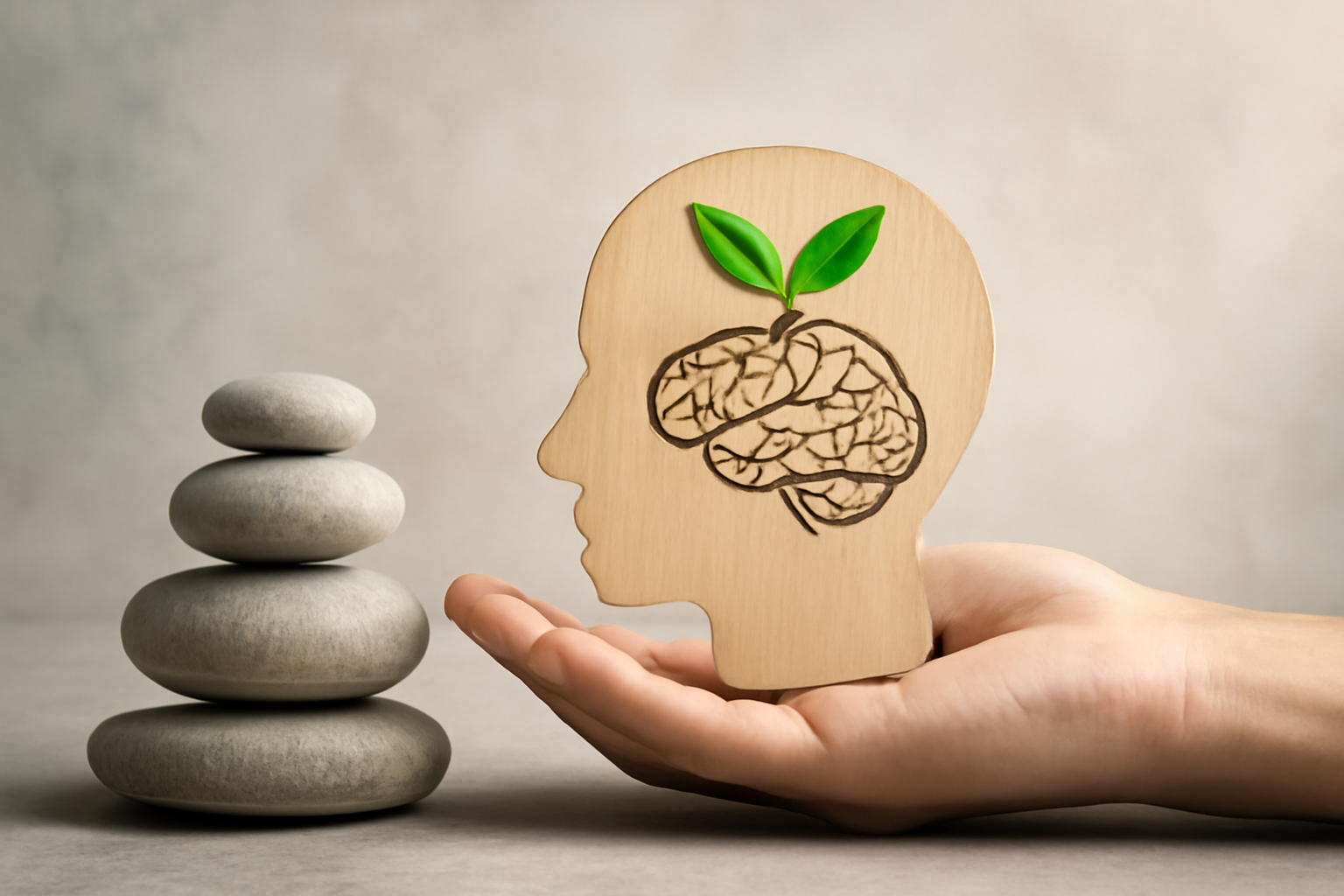
- Mindfulness, meditation, and breathwork — practices that cultivate present-moment awareness and nonjudgmental acceptance, helping regulate emotions, reduce rumination, and improve stress responses.
- Physical activity and movement — regular exercise, walking, dancing, or strength training that supports mood through endorphin release, better sleep, and increased resilience.
- Sleep health and circadian alignment — consistent sleep schedules, light exposure management, and wind-down rituals that stabilize mood and cognitive function.
- Nutrition and hydration — balanced meals, hydration, and mindful eating patterns (for example, a Mediterranean-style pattern) that influence energy, mood, and brain function.
- Social connection and supportive relationships — regular contact with friends, family, or community groups that provide emotional support and belonging.
- Nature exposure and ecotherapy — time in green or blue spaces, gardening, or nature-based activities that can lower stress and improve mood.
- Mind–body practices — activities like yoga, tai chi, and qigong that combine movement, breathing, and awareness to reduce tension and enhance focus.
- Creative and expressive arts — journaling, music, visual arts, theater, or dance as outlets for expression, processing emotions, and rebuilding motivation.
- Traditional, cultural, and spiritual practices — rituals, prayer, community rituals, or culturally meaningful activities that provide purpose, grounding, and social support.
- Supplements and herbal remedies — vitamins, minerals, and botanicals used with caution and professional guidance to support well-being alongside other care.
- Digital tools and apps — mood tracking, guided meditations, sleep aids, and crisis-support resources that can complement real-life routines.
How they support overall mental health
Complementary approaches interact with the brain and body in multiple ways, supporting mental health beyond symptom relief. They can help regulate the body’s stress systems, improve sleep quality, and strengthen skills people use day to day to cope with challenges.
- Emotion regulation: practices like mindfulness, breathing techniques, and yoga teach individuals to notice emotions without becoming overwhelmed, creating space for deliberate responses.
- Stress resilience: consistent routines, social connections, and nature exposure reduce the impact of daily stressors and foster a sense of safety and control.
- Sleep and cognitive function: sleep-focused strategies support memory, attention, and mood stability, which in turn improve daily functioning and mental health outcomes.
- Motivation and energy: physical activity, meaningful creative work, and engagement with communities help restore motivation and reduce withdrawal or apathy.
- Sense of meaning and belonging: cultural, spiritual, and community practices provide purpose and support networks that buffer against loneliness and depression.
Evidence-based practices
A growing body of research supports several complementary approaches for common mental health concerns. While effectiveness can vary by individual and condition, combining evidence-based practices with conventional care often yields the best results. Below are key areas with robust or promising support:
- Mindfulness-based interventions — Programs like mindfulness-based stress reduction (MBSR) and mindfulness-based cognitive therapy (MBCT) have demonstrated risk reduction for depressive relapse and improvements in anxiety and stress symptoms in diverse populations.
- Exercise — Regular aerobic and resistance exercise is consistently linked to reductions in depressive and anxiety symptoms, improved mood, and better overall well-being, with benefits that accumulate over weeks to months.
- Sleep optimization — Sleep hygiene and circadian alignment strategies improve daytime functioning and mood, particularly when sleep disturbances accompany mental health concerns.
- Nutrition and brain health — Diets rich in fruits, vegetables, whole grains, healthy fats, and lean proteins (for example, the Mediterranean pattern) are associated with lower risk of mood disorders and better cognitive function; omega-3 fatty acids show mixed but supportive findings in some populations.
- Nature and ecotherapy — Time in natural environments, especially combined with gentle physical activity, is linked to reduced stress and improvements in mood and attention.
- Mind–body practices — Yoga and tai chi show benefits for anxiety, stress, and sleep, with benefits appearing across a range of ages and health statuses.
- Creative and expressive arts — Engaging in creative activities can reduce symptoms in some individuals and support coping, self-reflection, and meaning-making.
- Digital tools and self-monitoring — Mood tracking, guided meditations, and sleep apps may enhance engagement and self-awareness, especially when used with guidance from clinicians or educators.
Important caveats: evidence varies by condition, intensity, and individual factors. Complementary approaches are generally best viewed as complements to, not replacements for, evidence-based treatments such as psychotherapy and, when indicated, medications. Always consult with a clinician before starting new supplements or intensifying therapies, particularly if you have medical conditions or take other medications.
Integration with conventional care
Complementary approaches work best when they are integrated into a coordinated care plan rather than pursued in isolation. Collaboration among patients, primary care providers, psychiatrists, psychologists, and other health professionals helps ensure safety, coherence, and alignment with treatment goals.
Practical steps for integration include:
- Discuss goals and preferences with your clinician, including which practices you’d like to try and why.
- Share information about any supplements, herbs, or digital tools you use to avoid potential interactions with medications or therapies.
- Use complementary practices as part of an agreed treatment plan — evidence-based therapies first, with supportive, low-risk approaches layered in as appropriate.
- Monitor symptoms, side effects, and overall functioning, and adjust the plan with professional guidance as needed.
- Seek specialists when appropriate (e.g., dietitians for nutrition, sleep specialists for chronic insomnia, or certified mindfulness instructors).
For severe symptoms, safety concerns, or crisis situations, seek immediate professional help. Complementary approaches can support recovery, but they do not replace urgent or emergency care when indicated.
Practical implementation strategies
Putting complementary approaches into daily practice is most effective when it fits your life. Start small, build gradually, and tailor strategies to what you know you can sustain.
- Start with 1–2 manageable practices that you enjoy or feel curious about. Consistency matters more than intensity in the first weeks.
- Use SMART goals — specific, measurable, achievable, relevant, and time-bound targets (for example: “I will walk for 20 minutes after dinner on weekdays for 3 weeks”).
- Create a simple routine that links new practices to existing habits (e.g., a 5-minute breathing routine after waking, a brief stretch before bed).
- Track progress and reflect — keep a brief journal, log app usage, or use a habit tracker to notice patterns and adjust as needed.
- Consider accessibility and cost — choose options that fit your budget and environment (walking outdoors vs. gym, free online mindfulness sessions, community groups).
- Prioritize safety — avoid high-risk activities if you have medical concerns, and consult professionals when starting new supplements or intense exercise, especially during pregnancy or with chronic conditions.
- Seek social support — enlist a friend, family member, or support group to help maintain motivation and accountability.
- Plan for setbacks — have a flexible plan for holidays, travel, or busy periods, and know when to return to basics if motivation wanes.
Sample 4-week starter plan:
- Week 1: Add a daily 5–10 minute mindfulness or breathing practice at a fixed time.
- Week 2: Add 2–3 days of 20-minute brisk walk or gentle movement; maintain mindfulness practice.
- Week 3: Improve sleep routine with a consistent wind-down and lower screen time 60 minutes before bed.
- Week 4: Introduce a simple nutrient-focused habit (e.g., regular hydration, fruit/vegetable servings at meals) and a social check-in with a friend or group.
Considerations when choosing complementary approaches
- — reflect on what feels meaningful, culturally appropriate, and enjoyable, which increases the likelihood of long-term use.
- — prioritize practices with demonstrated benefits for your specific concerns (e.g., sleep problems, anxiety, depressive symptoms).
- — consider potential interactions with medications, medical conditions, and pregnancy status; consult professionals when in doubt.
- — assess time, location, cost, and available guidance or instruction to ensure you can sustain the practice.
- — choose approaches that do not add excessive stress or fatigue; gradual progression is often more sustainable.
- — incorporate practices that align with your beliefs and community connections for deeper engagement.
- — define what you hope to gain (e.g., better sleep, reduced rumination, more energy) to guide selection and evaluation.
- — consider working with a trained instructor, therapist, or clinician who can tailor recommendations and monitor progress.
⚠️ This content is for informational purposes only and is not a substitute for professional medical advice, diagnosis, or treatment. Always consult a licensed physician, psychiatrist, psychologist, or other qualified healthcare professional before making decisions about medications, mental health treatment, or alternative and holistic treatment.