
Breathwork offers a simple, accessible way to calm the body’s stress response, reduce hyperarousal, and improve mental clarity during anxiety. By guiding the pace and depth of breathing, you can influence brain states and physiological reactions that fuel anxious thoughts.
Through established mechanisms in the autonomic nervous system and respiration science, deliberate breathing can become a reliable tool to reduce symptom intensity, increase felt control, and support other treatments. Practicing regularly builds a resource you can draw on in moments of stress.
Theoretical foundation and science
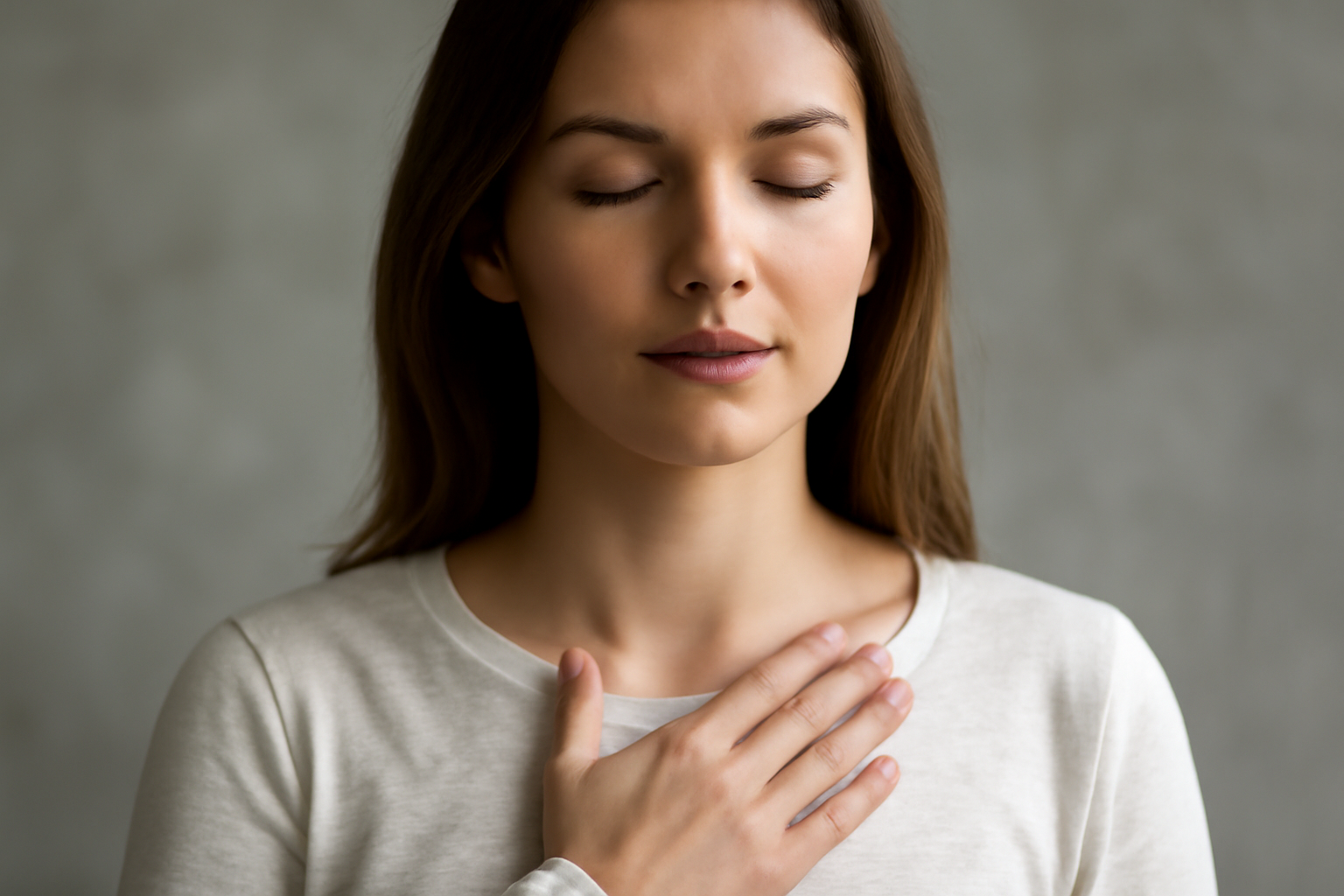
Breathwork sits at the intersection of neuroscience and physiology. When you breathe, you engage the autonomic nervous system, which regulates heart rate, digestion, and arousal without conscious effort. Slow, deliberate breathing tends to shift the balance away from the sympathetic “fight-or-flight” drive toward the parasympathetic “rest-and-digest” state. This shift is partly mediated by the vagus nerve, which influences heart rate variability (HRV). Higher HRV is associated with better emotional regulation and resilience to stress.
Breathing also affects the brain’s chemistry. Altering the rate and depth of breaths changes levels of carbon dioxide (CO2) and the p H of the blood, which in turn modulates neuronal activity in regions involved in attention, fear, and mood. Regular, paced breathing can train the body to respond more flexibly to stressors, reducing the automatic escalation of anxiety symptoms over time.
How breathing affects the nervous system
- Activates the parasympathetic system: Slow, controlled breathing promotes calm physiological states, inviting a relaxation response.
- Increases heart rate variability (HRV): Greater HRV reflects adaptable autonomic control and better emotion regulation.
- Regulates gas exchange: Steady breathing helps maintain balanced CO2 levels, reducing dizziness and lightheadedness that can accompany panic.
- Engages the brain’s calming networks: Regular paced breathing can lessen reactivity in areas related to fear and worry, aiding focus and composure.
Breathwork techniques
Diaphragmatic (abdominal) breathing
Lie down or sit comfortably. Place one hand on your belly and the other on your chest. Inhale gently through your nose, letting your belly rise more than your chest. Exhale slowly through pursed lips. Aim for a smooth, continuous cycle for 3–5 minutes to start.
Box breathing
Inhale for 4 counts, hold for 4, exhale for 4, and hold for 4. Repeat for 4–6 minutes. This technique creates a steady rhythm that can steady attention and reduce racing thoughts.
Coherent breathing
Breath at about 5 breaths per minute (inhale for 6 seconds, exhale for 6 seconds). Maintain a gentle, relaxed pace without forcing air. Practice for 5–10 minutes to support a steady autonomic balance.
4-7-8 breathing
Inhale quietly through the nose for 4 seconds, hold the breath for 7 seconds, and exhale completely through the mouth for 8 seconds. Repeat 4 cycles, especially when you feel tension rising.
Alternate nostril breathing
Close the right nostril with your thumb, inhale through the left for 4–6 counts, close the left nostril with your ring finger, exhale through the right for 4–6 counts, then switch sides. This is soothing for some and best practiced seated, with a calm pace.
Paced respiration (paced breath)
Choose a comfortable inhale-to-exhale ratio (for example, 3:4 or 4:6) and maintain it for several minutes. The key is consistency and a nonstraining breath that flows evenly.
What to expect when practicing
People respond to breathwork in different ways. Many report immediate relief in anxiety intensity after a short session, while others notice gradual gains with daily practice over weeks. Early sessions may include mild dizziness, tingling, or a sense of lightness as the body shifts toward relaxation. If you feel dizzy or faint, pause, sit or lie down, and resume gently once you feel centered. Start with 3–5 minutes per day and gradually increase as comfort allows. Consistency matters more than intensity.
Effectiveness for anxiety
Breathwork is a practical self-regulation tool that can reduce acute anxiety symptoms and support longer-term management. In clinical and self-directed settings, paced breathing and resonant breathing have been associated with reductions in anxious arousal, improved mood, and safer stress responses. It is most effective as part of a broader plan that includes behavioral strategies, coping skills, and, when appropriate, psychotherapy or medication. Breathwork is not a cure for anxiety disorders, but it can lower the barrier to calm and improve self-efficacy during difficult moments.
Getting started safely
Begin in a safe, comfortable space where you can sit or lie down without risk of falling or injury. If you have a chronic respiratory condition, heart disease, or you are pregnant, consult your healthcare provider before adopting new breathwork practices. Practice on a calm, regular schedule — morning and/or evening can create a predictable cue for regulation. Use a single technique at first to avoid cognitive overload, then explore others as you gain comfort. If stress or anxiety worsens or you experience chest pain, seek medical advice.
Integration with other treatments
Breathwork complements a wide range of approaches. When combined with cognitive-behavioral therapy (CBT), mindfulness-based practices, or acceptance and commitment therapy (ACT), it can enhance cognitive shifts and emotional tolerance. For people taking medications, breathwork can support adherence by improving daytime calm and sleep quality, potentially reducing perceived side effects of stress. Use breathwork as a daily practice to build self-regulation, then employ it proactively before situations that trigger anxiety, alongside professional guidance for a comprehensive treatment plan.
⚠️ This content is for informational purposes only and is not a substitute for professional medical advice, diagnosis, or treatment. Always consult a licensed physician, psychiatrist, psychologist, or other qualified healthcare professional before making decisions about medications, mental health treatment, or alternative and holistic treatment.