
Acupuncture can support mood health by helping regulate the body’s stress responses, improve sleep, and quiet anxious thoughts, often complementing traditional treatments for depression and anxiety. It is a safe, non-pharmacologic option that many people find helpful as part of a broader plan that may include therapy, lifestyle changes, and, when appropriate, medication.
Understanding how acupuncture works and what to expect can help you approach treatment with informed expectations and realistic goals. When delivered by a qualified practitioner, acupuncture can be a gentle, collaborative process focused on promoting balance, resilience, and well-being.
Theoretical foundation
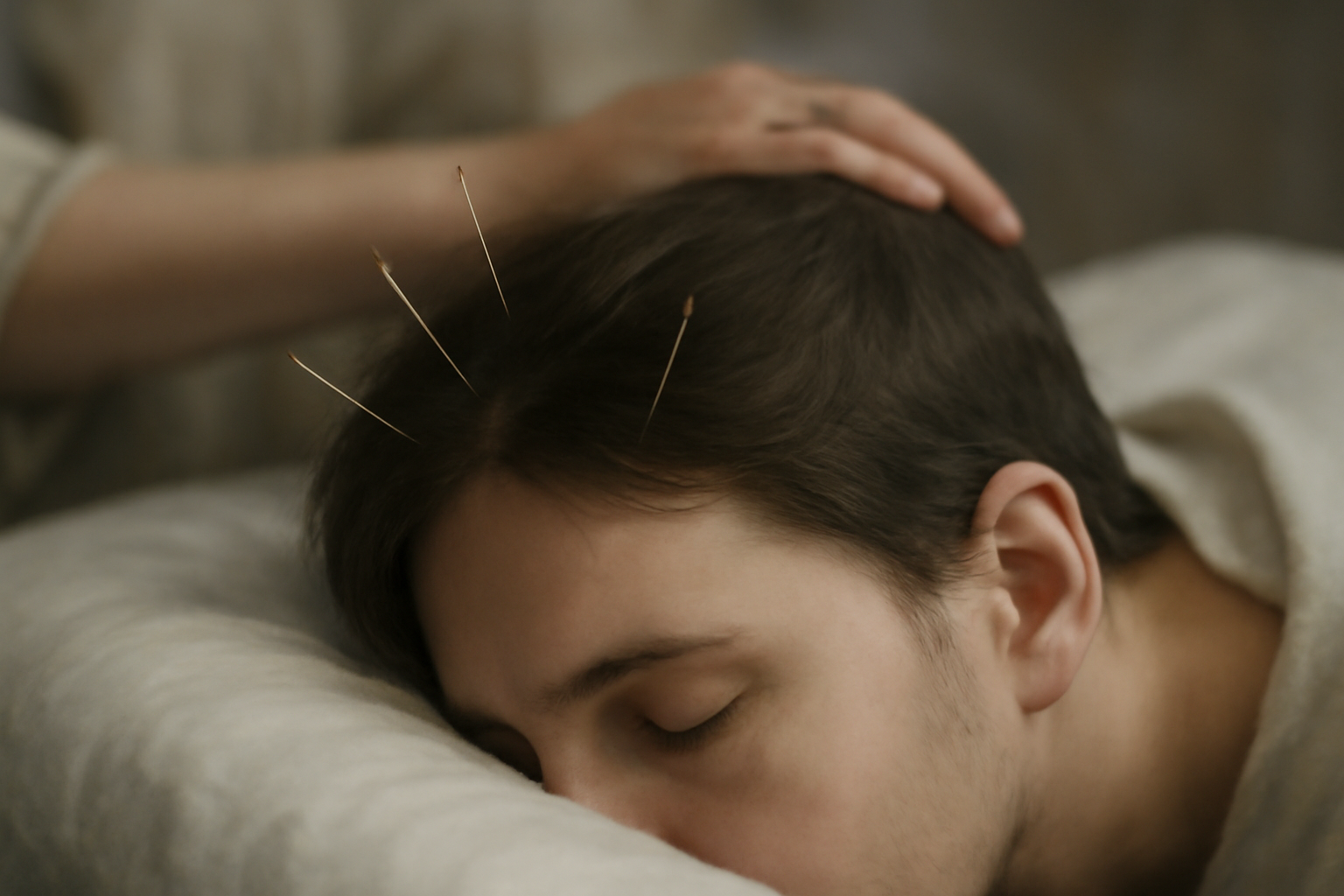
In Traditional Chinese Medicine (TCM), health rests on the balance and smooth flow of qi (energy) through channels called meridians. Depression and anxiety are thought to arise when this balance is disrupted, along with imbalances in the mind-body relationship, emotions, and environmental stresses. Acupuncture aims to restore balance by stimulating specific points along the meridians, which is believed to influence the flow of qi and harmonize yin and yang.
From a Western perspective, researchers describe several potential mechanisms. Acupuncture is thought to influence the autonomic nervous system, helping shift the body from a heightened stress response toward a calmer state. It may modulate the hypothalamic-pituitary-adrenal (HPA) axis, affecting stress hormones and inflammatory markers known to be involved in mood regulation. Neurotransmitters such as endorphins, serotonin, and dopamine may be released or balanced, contributing to mood improvement and pain relief. In addition, repeated sessions may promote neuroplastic changes, improve sleep architecture, and reduce physical symptoms that accompany anxiety and depression. The overall effect is often a combination of physiological change, placebo-related expectations, and personal meaning derived from the treatment process.
How the technique works
Mechanisms from traditional and modern perspectives
Traditionally, acupuncture is used to rebalance the body’s energy and restore harmony among organ systems, emotions, and environmental influences. Modern research highlights nervous system regulation, hormonal control, and anti-inflammatory effects as plausible contributors to symptom relief. The integration of these views helps explain why acupuncture can be a beneficial adjunct for mood disorders, especially when symptoms include sleep problems, fatigue, or chronic pain.
What happens during a session
- Intake and goal setting: A practitioner discusses symptoms, medical history, sleep, stress, and goals for treatment.
- Preparation: You lie comfortably, and needles are inserted at carefully chosen points. The depth is shallow to moderate, and the sensation ranges from a mild tingling to a dull ache (deqi) for some people.
- Needling and stimulation: Thin, sterile needles remain in place for about 20–40 minutes. Some sessions include gentle manual stimulation or mild electrical stimulation (electro-acupuncture) at specific points, if appropriate.
- Aftercare: Needles are removed, and you may receive guidance on breathing, relaxation, hydration, or light activity between sessions.
Most people tolerate acupuncture well. Common side effects, if any, are minor — brief soreness at insertion sites, slight bruising, or temporary dizziness. A licensed practitioner will use single-use needles and follow stringent sterilization and hygiene practices to minimize risk.
Conditions it’s most effective for
Evidence supports acupuncture as a complementary option for several mood-related concerns, particularly when used alongside conventional treatments. It is commonly considered for:
- Depression, including depressive symptoms in adults, when integrated with standard care such as psychotherapy or medications
- Generalized anxiety and situational anxiety, especially when insomnia or pain co-occurs
- Sleep disturbances associated with mood disorders, which can worsen daytime mood and energy
- Chronic pain that contributes to mood symptoms, such as back or neck pain, which can amplify anxiety or depressive feelings
It’s important to note that acupuncture is typically not a standalone cure for major depression or anxiety disorders. People often experience meaningful relief when acupuncture is part of a broader treatment plan coordinated with healthcare providers. Individual response varies, and ongoing communication with both the acupuncturist and primary care clinician is essential.
Choosing acupuncture involves a gradual process rather than a single treatment change. A typical pathway looks like this:
- Initial assessment: A thorough intake determines symptoms, triggers, medical history, and goals. This helps tailor point selection and treatment frequency.
- Frequency and duration: Common plans involve 1–2 sessions per week for 4–8 weeks, with the option to extend to 8–12 weeks or longer depending on response and comfort.
- Midcourse check-in: After a few sessions, practitioners review progress, adjust points, and refine strategies (e.g., lifestyle or sleep recommendations) to support mood goals.
- Maintenance or tapering: If you experience improvement, you may reduce frequency to monthly or quarterly sessions, or continue as needed for stability.
Response timelines vary. Some people notice changes in sleep quality, daytime energy, or anxiety within a few sessions, while others may require several weeks to feel meaningful mood improvements. Patience, consistency, and open communication with your practitioner are key to assessing benefit.
Qualified acupuncture care is delivered by practitioners trained to understand both the traditional and biomedical aspects of the practice. Key credentials typically include:
- Professional licensure or registration in the practitioner’s region, confirming safe practice and adherence to standards
- Certification by a recognized national board, such as the National Certification Commission for Acupuncture and Oriental Medicine (NCCAOM) in the United States, which verifies competence in acupuncture and Chinese herbology
- Comprehensive education in anatomy, physiology, safety, ethics, and clinical techniques, plus supervised clinical training
- Commitment to safety practices, including the use of sterile, single-use needles and clean environments
In addition to traditional acupuncturists, some medical doctors and chiropractors offer acupuncture within their practice, often combining conventional medical approaches with acupuncture techniques. When selecting a provider, verify their credentials, licensure status, and areas of focus, especially if your mood symptoms are severe or complex.
- Coordinate with your healthcare team: If you are being treated for depression or anxiety, inform your psychiatrist, psychologist, or primary care clinician about any acupuncture plans to ensure integrated care and monitor potential interactions with medications.
- Acknowledge safety and suitability: Discuss any bleeding disorders, a history of fainting, active infections, allergy to metals, pregnancy status (special considerations apply in pregnancy), or implanted devices when evaluating acupuncture options.
- Ask practical questions: How long is a typical course? How many visits are recommended? What are the fees, and does insurance cover it? What safety practices do you follow for needle sanitation?
- Set realistic expectations: Acupuncture often works best as part of a comprehensive plan that includes therapy, sleep improvement, stress management, and healthy lifestyle choices.
- Be mindful of symptoms that require urgent care: If you experience worsening mood, thoughts of self-harm, or suicidal ideation, seek immediate professional help.
For further information on how acupuncture relates to mood disorders and to explore what reputable sources say about its evidence base, you can consult reliable resources such as:
⚠️ This content is for informational purposes only and is not a substitute for professional medical advice, diagnosis, or treatment. Always consult a licensed physician, psychiatrist, psychologist, or other qualified healthcare professional before making decisions about medications, mental health treatment, or alternative and holistic treatment.
Page Contents
- Theoretical foundation
- How the technique works
- Conditions it’s most effective for
- Coordinate with your healthcare team: If you are being treated for depression or anxiety, inform your psychiatrist, psychologist, or primary care clinician about any acupuncture plans to ensure integrated care and monitor potential interactions with medications. Acknowledge safety and suitability: Discuss any bleeding disorders, a history of fainting, active infections, allergy to metals, pregnancy status (special considerations apply in pregnancy), or implanted devices when evaluating acupuncture options. Ask practical questions: How long is a typical course? How many visits are recommended? What are the fees, and does insurance cover it? What safety practices do you follow for needle sanitation? Set realistic expectations: Acupuncture often works best as part of a comprehensive plan that includes therapy, sleep improvement, stress management, and healthy lifestyle choices. Be mindful of symptoms that require urgent care: If you experience worsening mood, thoughts of self-harm, or suicidal ideation, seek immediate professional help.