
Bipolar disorder is a treatable medical condition that involves distinct mood episodes, not simply mood swings or character flaws.
Diagnosis relies on patterns of mood changes over time and requires a careful clinical assessment by a qualified professional. It is not determined by a single symptom, a passing phase, or personal traits, and it can occur in adults and young people alike. By understanding the diagnostic process and available treatments, people can seek appropriate care and work toward stability and well‑being.
Definition and diagnostic criteria
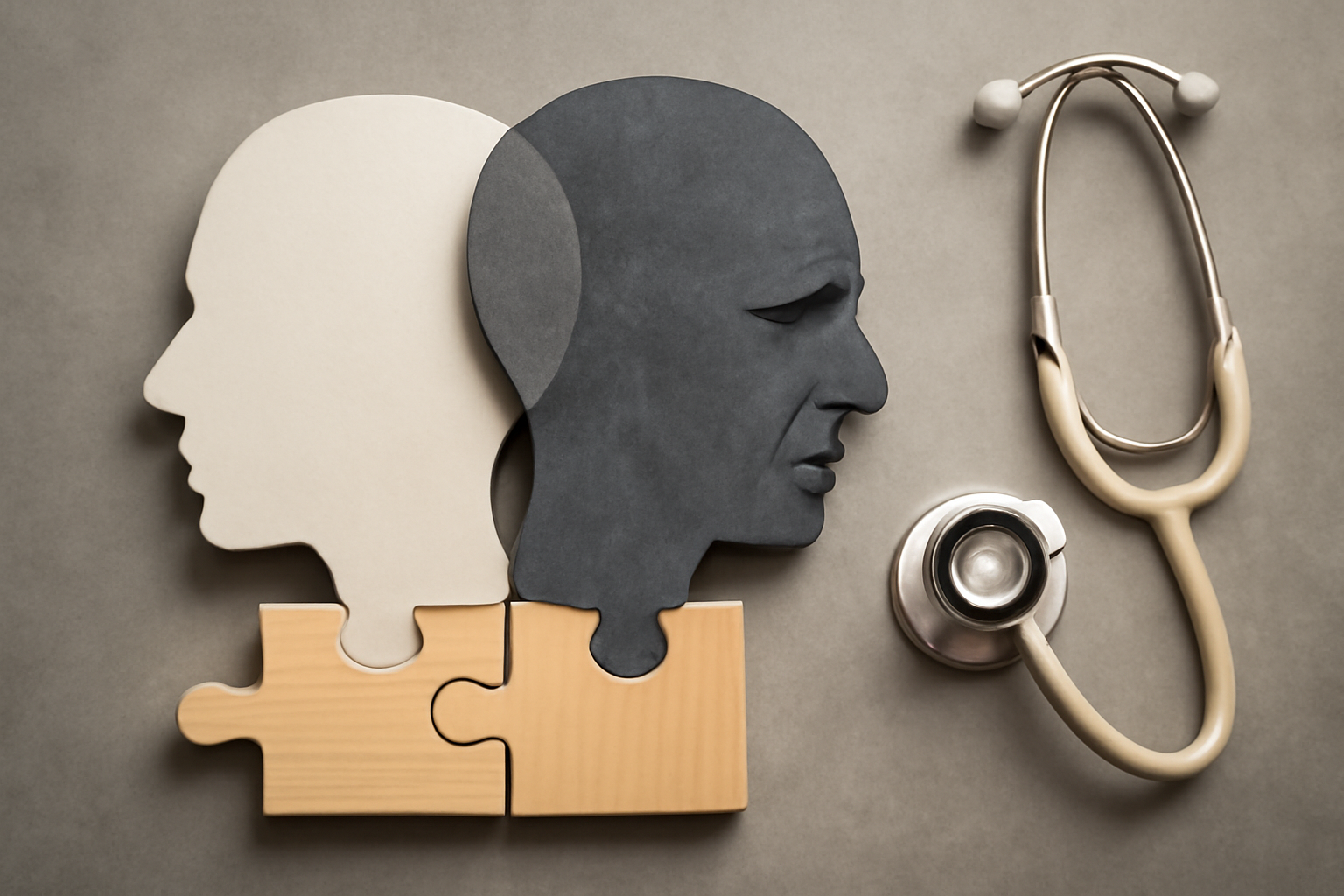
Bipolar disorder is a chronic mood disorder marked by alternating episodes of elevated or irritable mood (mania or hypomania) and periods of depression. There are several recognized forms:
- Bipolar I: at least one manic episode, which may be followed by depressive episodes or not. Mania typically lasts at least seven days or requires urgent medical attention, and it significantly impairs daily functioning. Psychotic symptoms or hospitalization may occur during manic episodes.
- Bipolar II: recurrent depressive episodes accompanied by hypomanic episodes (less severe than mania). A full manic episode has not occurred.
- Cyclothymic disorder: chronic fluctuations between hypomanic and depressive symptoms that do not meet full criteria for manic, hypomanic, or major depressive episodes for at least two years (one year in children or adolescents).
The diagnostic framework used in many parts of the world is the DSM-5 (or DSM-5-TR). Core criteria involve distinct mood episodes:
- Mania: a distinct period of abnormally and persistently elevated, expansive, or irritable mood with increased energy, lasting at least one week (or any duration if hospitalization is necessary) and accompanied by at least three additional symptoms (e.g., inflated self-esteem, reduced need for sleep, pressured or rapid speech, racing thoughts, distractibility, excessive involvement in high-risk activities).
- Hypomania: similar symptoms as mania but milder and shorter, lasting at least four consecutive days, not causing severe impairment or psychosis.
- Major depressive episode: five or more symptoms during a two-week period, including persistent low mood or anhedonia (loss of interest or pleasure), plus changes in sleep, appetite, energy, concentration, or thoughts of death.
Diagnosing bipolar disorder requires careful consideration of the pattern, duration, and impact of mood shifts, and it is not diagnosed based on a single mood change, substance use, or another medical condition. A clinician will also assess for other possible explanations and coexisting conditions that can mimic or accompany mood symptoms.
Symptoms and signs
People with bipolar disorder experience mood episodes that differ from their baseline functioning. Common presentations include:
Mania and hypomania
- Increased energy and goal-directed activity
- Elevated, expansive, or irritable mood
- Decreased need for sleep without fatigue
- Rapid or pressured speech, flight of ideas, distractibility
- Inflated self-esteem or grandiosity
- Engagement in risky or impulsive behavior (spending sprees, reckless driving, unwise investments)
Depression
- Persistent sad or empty mood, or loss of interest
- Changes in appetite or sleep patterns
- Fatigue, low energy, slowed thinking or movement
- Feelings of worthlessness or excessive guilt
- Difficulty concentrating or making decisions
- Thoughts of death or suicide, or suicide attempts
Some people experience mixed features (symptoms of both mania/hypomania and depression at the same time) or experience rapid cycling (four or more mood episodes in a year). Symptoms and their severity can vary widely between individuals and across episodes.
Causes and risk factors
The exact cause of bipolar disorder is not known. It is believed to result from an interplay of genetic, neurobiological, and environmental factors that influence brain circuits involved in mood regulation.
- Bipolar disorder runs in families and has a strong heritable component. Having a first-degree relative with the condition increases risk compared with the general population; studies suggest a substantial genetic contribution, though no single gene explains the condition.
- Differences in brain structure and function, particularly in networks that regulate emotion, motivation, and judgment, and imbalances in neurotransmitters may contribute to mood episodes.
- Life stress, traumatic experiences, significant sleep disruption, and substance use can influence the onset and course of bipolar disorder or trigger episodes in someone who is vulnerable.
- Prenatal factors, certain medical illnesses, and hormonal changes can interact with underlying susceptibility.
It is important to note that risk factors increase likelihood but do not determine destiny. Many people with strong risk factors may never develop bipolar disorder, while others with fewer obvious risks can experience mood episodes. Early recognition and treatment can improve outcomes.
How it’s diagnosed by professionals
Diagnosing bipolar disorder is a clinical process that relies on a comprehensive history and careful observation over time. Key elements include:
- A detailed discussion of mood patterns, mood-related changes in functioning, sleep, energy, thoughts, behavior, and life events. The clinician will ask about the duration, intensity, and impact of symptoms across episodes.
- A physical exam and, when indicated, laboratory tests to rule out medical causes (e.g., thyroid problems) or substance effects that could mimic mood symptoms.
- Information from family members, partners, or trusted friends can help establish a timeline of mood changes and functional impact.
- Keeping a daily log of mood, sleep, energy, and routines can aid in confirming patterns across days and weeks.
- Clinicians use DSM-5/DSM-5-TR criteria to determine whether manic, hypomanic, or depressive episodes meet the required thresholds for a bipolar diagnosis and to distinguish between Bipolar I, Bipolar II, and other conditions.
- The clinician considers other causes of mood symptoms, such as major depressive disorder with atypical features, schizoaffective disorder, ADHD, substance-induced mood disorders, thyroid or metabolic disorders, and personality disorders.
Because mood disorders can change over time, diagnosis may require observation across multiple episodes or extended follow-up. Early, accurate diagnosis supports timely treatment and reduces the risk of complications, including impaired functioning and suicide risk.
Treatment approaches and options
Treatment for bipolar disorder typically uses a combination of medication, psychotherapy, and lifestyle strategies. The goal is to stabilize mood, reduce the frequency and intensity of episodes, improve functioning, and support overall quality of life.
Medications
- Medications such as lithium, divalproex/valproate, and lamotrigine help prevent mood swings and reduce relapse risk. Lithium has a long track record for reducing suicide risk in bipolar disorder and requires regular monitoring of blood levels, kidney, and thyroid function.
- Atypical antipsychotics: agents such as quetiapine, olanzapine, risperidone, lurasidone, cariprazine, and aripiprazole can treat manic, hypomanic, or depressive symptoms and are often used in combination with mood stabilizers.
- Antidepressants: these may be used cautiously for depressive episodes, usually in combination with a mood stabilizer to reduce the risk of triggering a manic switch. They are selected carefully and monitored closely.
- In some cases, anticonvulsants like valproate or carbamazepine, and newer treatments may be considered based on individual needs and tolerability.
Psychotherapy and psychosocial care
- Cognitive-behavioral therapy (CBT): helps identify and modify thoughts and behaviors that contribute to mood episodes and teaches coping skills.
- Interpersonal and social rhythm therapy (IPSRT): focuses on stabilizing daily routines and sleep/wake cycles to reduce mood instability.
- Family-focused therapy: involves family members in education and communication strategies to support the individual and improve functioning.
- Psychoeducation: provides information about the condition, treatment options, and relapse prevention to empower patients and families.
Lifestyle and self-management
- Regular sleep-wake schedules, consistent daily routines, and stress management
- Avoidance of substances that can destabilize mood (excess alcohol, illicit drugs)
- Healthy diet, regular physical activity, and mindful practices
- Adherence to prescribed medications and ongoing follow-up with a care team
Special considerations
Treatments are tailored to the individual, considering episode type, symptom profile, medical history, age, pregnancy status, and co‑occurring conditions such as anxiety disorders, ADHD, or substance use. In some cases, brain stimulation therapies (for example, electroconvulsive therapy in severe, treatment-resistant mood episodes) may be appropriate. Regular monitoring helps adjust medications and psychotherapy as needed.
Prognosis and living with the condition
Prognosis varies widely. With accurate diagnosis, evidence-based treatment, and ongoing support, many people with bipolar disorder achieve long periods of stable mood, maintain relationships, and pursue education or work. Early recognition and adherence to treatment are associated with better functioning and fewer relapses.
Important factors for a favorable course include consistent sleep, routine, and medication adherence; strong collaboration with a mental health care team; early intervention after episodes; and access to social and family support. It is also important to address stigma and mental health stigma, which can affect help-seeking and treatment engagement.
People with bipolar disorder can still lead meaningful, productive lives. Ongoing treatment, self‑care, and reliable support networks reduce the risk of crises and help individuals adapt to life’s changes, including work, school, relationships, and parenting.
Support resources
- Speak with a qualified mental health professional (psychiatrist, psychologist, licensed social worker) to begin or adjust treatment.
- Primary care physicians can help coordinate care, screen for medical contributors, and refer to specialists.
- National and local organizations often provide education, directories for services, and peer support. Examples include:
- National organizations and networks focusing on bipolar and mood disorders
- Local community mental health centers and university-affiliated clinics
- Crisis and emergency resources: If you or someone is in immediate danger, call your local emergency number or go to the nearest emergency department. In the United States, the 988 Suicide & Crisis Lifeline provides confidential support at 988, available 24/7.
- Peer and family support: support groups and family education programs can offer understanding, shared strategies, and encouragement. Look for groups affiliated with reputable organizations in your area or online.
Remember, reliable information and a supportive care team are important parts of the treatment journey. If you’re seeking resources, asking a clinician for recommendations tailored to your location and needs can help you find the right fit.
⚠️ This content is for informational purposes only and is not a substitute for professional medical advice, diagnosis, or treatment. Always consult a licensed physician, psychiatrist, psychologist, or other qualified healthcare professional before making decisions about medications, mental health treatment, or alternative and holistic treatment.