Body dysmorphia treatments refer to evidence-based therapies and, when appropriate, medications designed to lessen preoccupation with perceived flaws
It draws on established therapeutic models such as cognitive behavioral therapy (CBT), psychodynamic approaches, and mindfulness-based techniques.
Reunification therapy is a structured, time-limited process designed to repair a child's relationship with a parent after high-conflict separation.
CAM aims to complement standard medical treatment by supporting resilience, reducing stress, and fostering healthy lifestyle habits.
Treatment is personalized, ongoing, and collaborative, with the goal of reducing relapses while supporting a meaningful daily life.
Reality therapy is a present-focused, directive approach that helps people take responsibility for their actions by focusing on current choices.
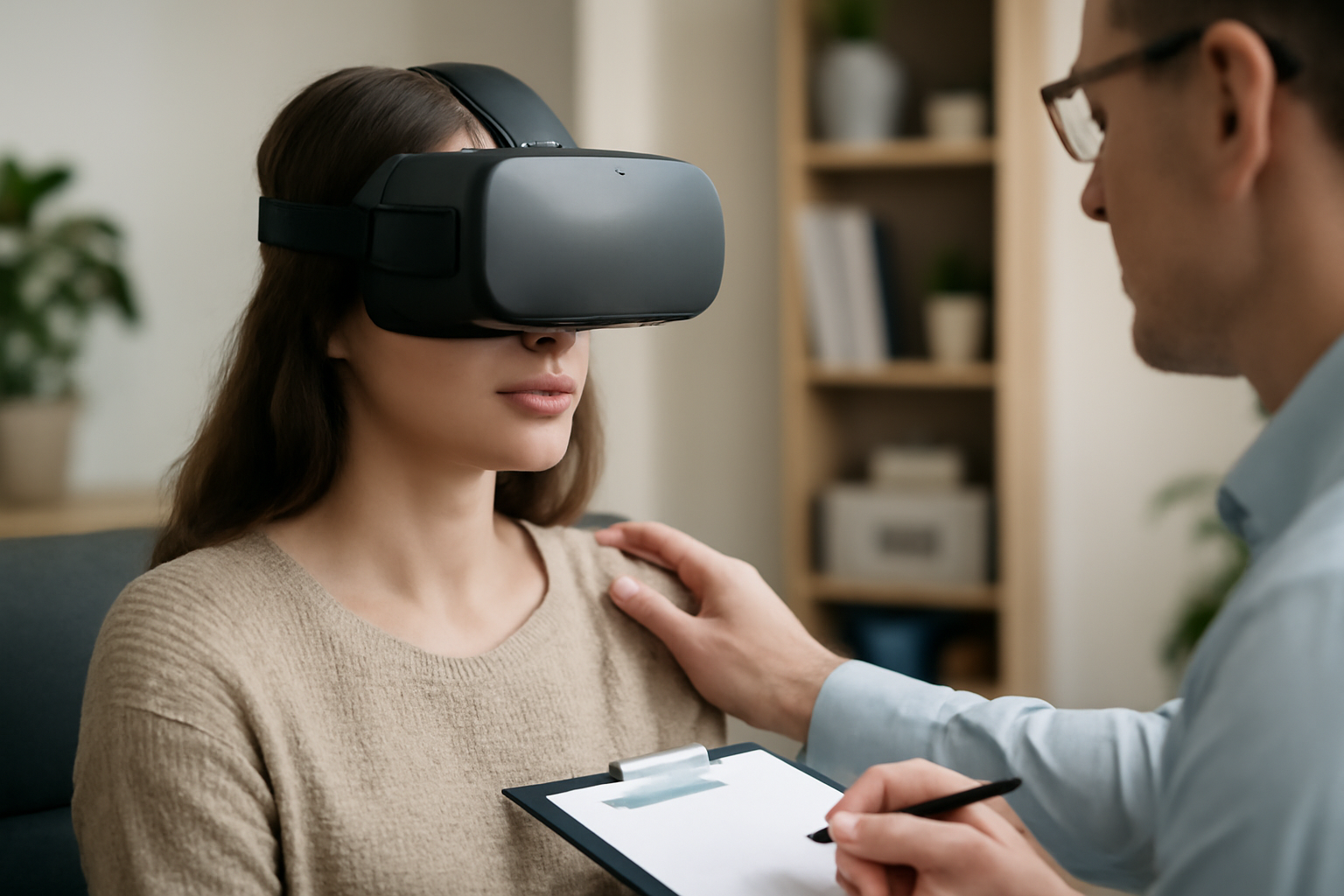
High-fidelity environments help clients feel present in a safe yet impactful setting, which can enhance engagement and emotional processing.
Compassion-focused therapy (CFT) teaches people to cultivate a compassionate mind that can soothe fear, shame, and rumination.
Relaxation therapy rests on a few shared principles that guide practice and outcomes. It emphasizes active learning and consistent practice.
Body therapy refers to hands-on and mind–body approaches that treat the whole person by engaging tissues, movement, breath, and the nervous system.