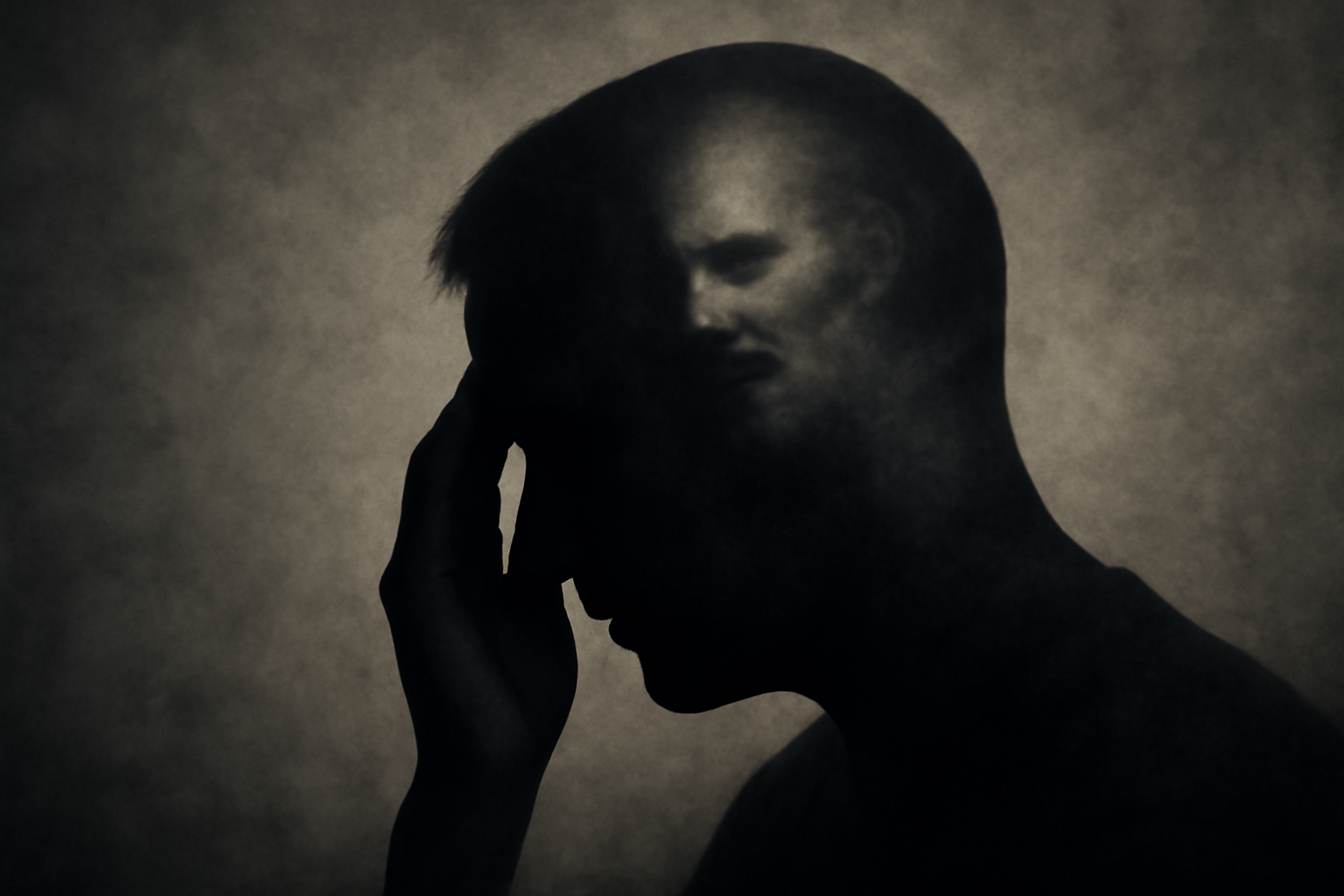
PTSD and depression are common, treatable mental health conditions that can develop after trauma or in the context of mood-related changes.
PTSD and depression after trauma arise from a mix of factors that differ by person and situation. Not everyone exposed to trauma develops PTSD.
It is not a sign of weakness, and with accurate information and timely support, most people recover and can bond meaningfully with their baby.
Bipolar disorder is a treatable medical condition that involves distinct mood episodes, not simply mood swings or character flaws.
Schizophrenia is a chronic psychiatric diagnosis defined by a combination of symptoms and social or occupational impairment.
Schizophrenia is a chronic brain condition that affects how a person thinks, feels, and experiences the world. It often features psychosis—moments
The psychotic symptoms appear during the mood episode and tend to reflect the mood state (mood-congruent) but can also be mood-incongruent.
Acute depression arises from a combination of biological, genetic, environmental, and psychological factors. No single cause exists,
Anxiety can take many forms in bipolar illness, including generalized anxiety, panic attacks, social anxiety, or obsessive-compulsive features.
They are characterized by a persistent, overwhelming fear of being judged, embarrassed, or humiliated in front of others.