
Therapeutic modalities are a broad set of approaches used to support mental and physical health, ranging from structured talk therapies to hands-on physical treatments and digital tools. Understanding these options helps people seek effective, personalized care, weigh risks and benefits, and participate actively in treatment decisions.
What therapeutic modalities are and why they matter
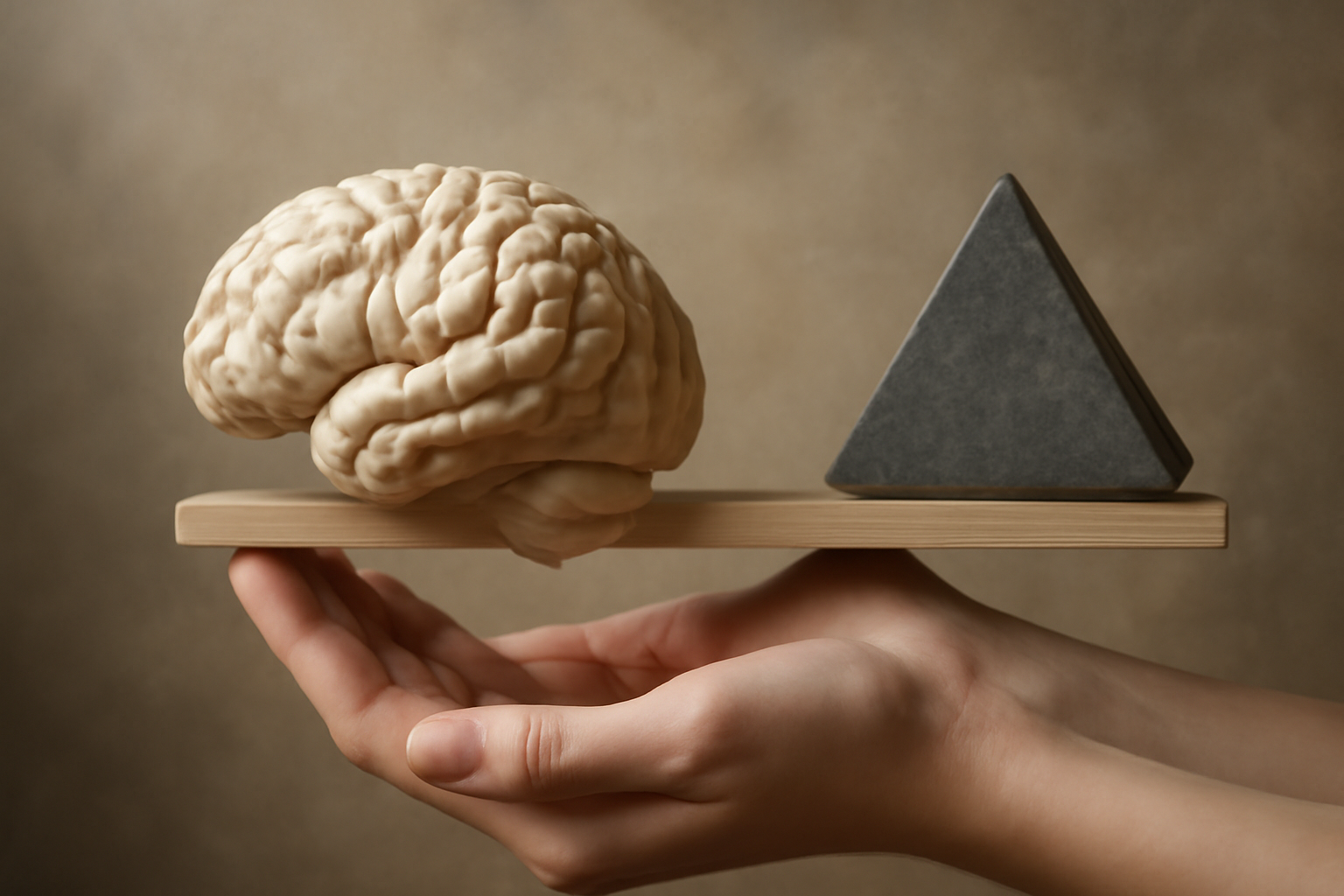
In health care, a modality is a method or tool used to facilitate healing, relief, or improved functioning. Therapeutic modalities span psychological therapies (for example, cognitive-behavioral approaches, acceptance and commitment therapy, or interpersonal therapy), pharmacological treatments, physical rehabilitation methods (such as exercise programs or manual therapy), and mind–body or creative approaches (including mindfulness, art therapy, or music therapy). Digital tools—teletherapy platforms, mobile self‑monitoring apps, biofeedback devices—have become increasingly common as modalities, often used alone or in combination with in-person care.
Because different conditions and people respond in unique ways, no single modality fits all. An effective plan often blends modalities to align with symptoms, goals, lifestyle, and values. This person‑centered approach supports engagement, adherence, and meaningful outcomes.
Key aspects and considerations
When evaluating therapeutic modalities, several factors matter:
- Evidence and suitability: Look for modalities with demonstrated effectiveness for your specific condition. Evidence varies by diagnosis, severity, and individual differences.
- Safety and risks: Most modalities are safe when delivered by trained professionals, but some carry risks or contraindications (for instance, certain physical therapies may be unsuitable after injuries, and some digital tools raise privacy considerations).
- Access and cost: Availability and affordability influence what’s feasible. Teletherapy, for example, can improve access for rural or busy individuals, but coverage and platforms differ by location.
- Qualifications and setting: Credentials, training, and practice standards affect quality and safety. Consider whether a modality is delivered in a licensed clinical setting, a specialized clinic, or a reputable program.
- Personal values and culture: Cultural beliefs, language, and personal preferences shape comfort with modalities like talk therapies, spiritual or creative approaches, or body-based therapies.
- Outcomes and measurement: Clear goals and ongoing progress monitoring help determine whether a modality is working and when to adjust the plan.
- Integration with other care: Many people benefit from a blended approach, coordinating medications, therapies, and self-care skills under professional supervision.
- Privacy and ethics: Particularly for digital tools, understand data handling, consent, and who has access to information.
When in doubt, start with a conversation with a licensed clinician who can help tailor options to your needs, explain the expected course, and set milestones for progress.
Current research and developments
Research on therapeutic modalities is broad and rapidly evolving. Some notable trends include:
- Researchers are exploring how genetics, biomarkers, and clinical history can help match people to the most effective modalities for their symptoms and goals.
- Remote therapy has expanded access, with growing evidence for effectiveness comparable to in-person care for many conditions, while raising questions about engagement, privacy, and digital literacy. APA resources on therapy describe how different modalities fit various needs. [link]
- Technologies that provide real-time feedback on brain activity are being studied as adjuncts to traditional therapy for anxiety, PTSD, and ADHD, among others. Always use with qualified supervision.
- Mindfulness, meditation, and acceptance-based therapies continue to accumulate evidence for stress reduction, mood regulation, and improved functioning in chronic illness and pain management, with ongoing work on optimizing delivery formats.
- Art therapy, music therapy, and expressive therapies are increasingly integrated into mental health and rehabilitation programs, often enhancing engagement and expressing aspects of experience that words may not capture.
- As modalities proliferate, there’s growing emphasis on standardized training, supervision, outcome reporting, and patient rights, ensuring safe and ethical practice across settings.
For readers seeking reputable information, government and professional organization sources offer evidence summaries and guidance. For example, mental health therapy topics are covered by the National Institute of Mental Health and the American Psychological Association, among others. NIMH: Psychotherapies and APA: Therapy provide overviews of common approaches and what the research shows.
Practical implications for everyday life
Putting theory into practice means translating modality choices into real-world steps. Consider the following:
- Start with a plan: List your goals, symptoms, and what you hope to achieve. Bring this to a clinician to guide modality selection.
- Ask targeted questions: What is the expected timeline? What is the strength of the evidence for my condition? What are the potential side effects or risks? How will progress be measured?
- Pilot and adjust: A short trial period can reveal whether a modality is a good fit. It’s normal to adjust or combine approaches based on response.
- Balance cost and access: Consider insurance coverage, clinic proximity, and whether teletherapy or group-based options could help manage costs while preserving quality.
- Track progress: Use simple tools like symptom checklists, mood scales, sleep diaries, or activity logs to monitor change over time and share updates with your provider.
- Self-help and safety considerations: Some modalities have solid self-help components (e.g., structured CBT workbooks, sleep hygiene routines). If you have thoughts of self-harm or feel in immediate danger, seek urgent professional help or contact local emergency services.
- Culture and values matter: If a modality conflicts with core beliefs, discuss alternatives with your clinician to find a respectful, acceptable path.
For many people, a blended approach—combining psychotherapy, medication management (when indicated), physical activity, sleep optimization, and digital tools—offers the best balance of effectiveness and practicality.
Resources for further support
Here are credible organizations and platforms that provide information, directories, and support, with links that include tracking parameters for this article:
- National Institute of Mental Health (NIMH) — Therapies
- American Psychological Association (APA) — Therapy
- National Center for Complementary and Integrative Health (NCCIH) — Mindfulness and meditation
- World Health Organization — Mental health resources
- National Treatment Locator (SAMHSA)
- Art Therapy Association
- Biofeedback and Applied Psychophysiology
- Digital health and teletherapy information (APA overview)
- Physical therapy resources (American Physical Therapy Association)
- Occupational therapy resources (American Occupational Therapy Association)