
Understanding the types of mental illness helps people recognize signs early, access effective care, and support recovery for themselves and loved ones.
What mental illness is and why it matters
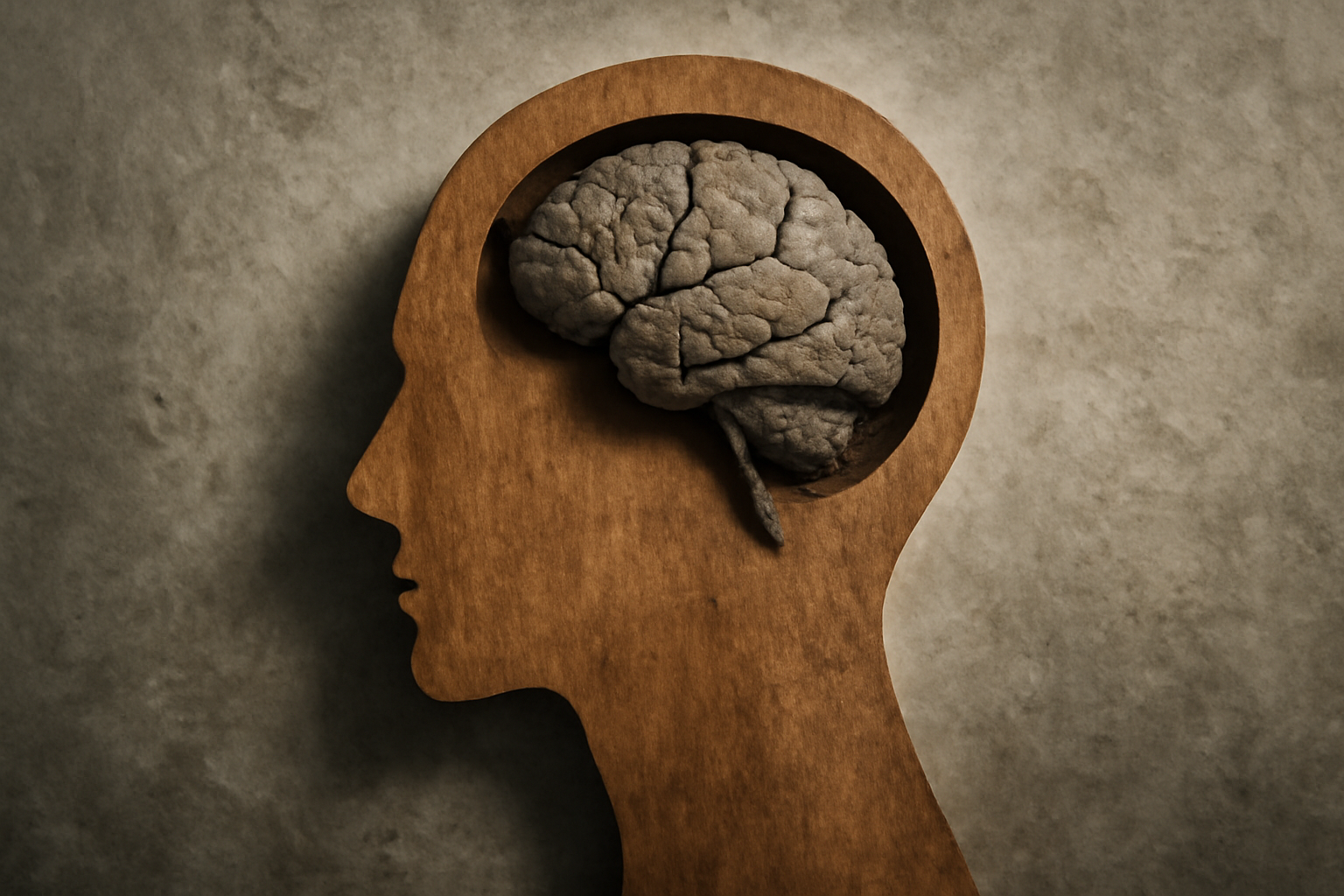
Mental illness refers to health conditions that affect mood, thinking, perception, and behavior, often causing distress or impairing daily functioning. These conditions are common, treatable, and influenced by a mix of biology, psychology, and environment. Recognizing mental health conditions as legitimate health issues helps people seek appropriate care and reduces stigma.
Common categories provide a practical framework, while individual experiences may cross boundaries between them. Here are the main types you’ll see in research, clinical practice, and everyday life:
- Mood disorders: Conditions primarily affecting mood and energy, such as major depressive disorder and bipolar disorder.
- Anxiety disorders: Persistent worry or fear that interferes with daily life, including generalized anxiety disorder, panic disorder, social anxiety, and phobias.
- Psychotic disorders: Disorders that involve distorted reality or thoughts, such as schizophrenia and schizoaffective disorder.
- Neurodevelopmental disorders: Conditions that typically appear in childhood and affect learning, communication, and behavior, such as autism spectrum disorder and attention‑deficit/hyperactivity disorder (ADHD).
- Trauma- and stressor-related disorders: Reactions to traumatic or chronic stress, including post‑traumatic stress disorder (PTSD) and acute stress disorder.
- Eating disorders: Disturbances in eating behavior and body image, such as anorexia nervosa, bulimia nervosa, and binge-eating disorder.
- S/substance-related and addictive disorders: Problems caused by use of alcohol or drugs, as well as behavioral addictions, such as gambling disorder.
- Personality disorders: Enduring patterns of thinking, feeling, and behaving that differ from cultural expectations and cause distress or impairment.
Many people experience symptoms that span multiple categories, and comorbidity (having more than one diagnosis at once) is common. Access to respectful, evidence‑based care—routinely including therapy, medication if appropriate, support networks, and self-management strategies—plays a key role in recovery and quality of life.
Key aspects and considerations
Understanding mental illness involves more than symptoms alone. Here are important factors to keep in mind when thinking about diagnosis, treatment, and daily life:
- Clinicians use standardized criteria (such as DSM-5-TR or ICD-11) to assess symptoms, duration, and impact. These criteria can evolve as scientific understanding grows.
- People with the same diagnosis may have very different experiences. Personal history, culture, and biology shape symptoms and responses to treatment.
- Beliefs about mental health and expressions of distress vary by culture and language, which can affect how symptoms are reported and treated.
- Nonjudgmental language and public education reduce barriers to care and encourage help-seeking behavior.
- Access to care, affordability, and availability of qualified professionals differ widely by location and socioeconomic factors.
- Treatments commonly include psychotherapy (talk therapy), medications, lifestyle interventions, and social supports. Some people benefit from integrated or stepped-care approaches.
- Many people experience meaningful improvement with timely, appropriate care. Recovery is a personal process that can involve skill-building, coping strategies, and ongoing support.
- Early detection and proactive management often lead to better outcomes and reduced disruption over time.
Current research and developments
Researchers are making strides across biology, technology, and care delivery. Notable trends include:
- Studies explore how genetics, brain structure, and neurotransmitter systems influence risk, progression, and treatment response.
- Advances in imaging and measurable indicators aim to improve diagnosis, track progress, and tailor treatments.
- Telehealth, online therapy platforms, and mobile apps expand access and support between in‑person visits.
- Some researchers are prioritizing symptom patterns and underlying processes that cut across traditional categories.
- Efforts to match interventions to individual biology, history, and preferences hold promise for effectiveness and fewer side effects.
- Emphasis on social determinants, early life experiences, and community supports to reduce incidence and severity.
For readers seeking further details, reputable sources such as the National Institute of Mental Health (NIMH) and the World Health Organization (WHO) provide up-to-date information on research priorities and discoveries. NIMH: Mental Health Information and WHO: Mental Health offer accessible overviews and links to ongoing studies.
Practical implications
Turning knowledge into action can empower individuals, families, schools, and workplaces to support well‑being. Practical steps include:
- Starting conversations: Use calm, nonjudgmental language; ask how you can help; validate feelings rather than minimizing them.
- Seeking care: If you or someone you know is struggling, reach out to a primary care clinician, mental health professional, or local community resources. Many areas offer sliding‑scale or low‑cost options.
- Treatment planning: Discuss potential benefits and risks of therapy and medications, set realistic goals, and monitor progress with a clinician.
- Self‑care and routines: Regular sleep, physical activity, meals, and social connections support mental well‑being and can complement formal care.
- Supportive environments: At work or school, request reasonable accommodations, flexible scheduling, or access to employee assistance programs and counseling services.
- Safety planning: If there is a risk of harm, seek immediate help. In many countries, hotlines and urgent services are available 24/7.
People often benefit from a layered approach that combines therapy, peer support, medication (when appropriate), and community resources. Remember, progress can be gradual, and seeking help is a sign of strength.
Resources for further support
These organizations provide reliable information, tools, and access to care. If you are in immediate danger or crisis, contact your local emergency number or go to the nearest emergency department.
- National Institute of Mental Health (NIMH) – Mental Health Information
- World Health Organization – Mental Health
- NHS – Mental Health
- Mental Health America
- SAMHSA – National Helpline
- Crisis Text Line
Additional useful actions include contacting local community health centers, university counseling services, or employee assistance programs for confidential support. If you or someone you know is thinking about self-harm, crisis resources can provide immediate help and guidance.
Tip: keep a simple list of current medications, known allergies, and a short summary of symptoms and concerns to share with a clinician. This can streamline appointments and improve care decisions.
For families and caregivers, consider joining support groups or educational webinars that address caregiving strategies, boundaries, and self‑care to sustain long‑term involvement and resilience.