
Understanding mental health is essential because reliable facts help people recognize signs, access care, and build supportive communities. Clear information counters myths, reduces stigma, and supports healthier decisions for individuals and families.
In this post, you’ll find what mental health is and why it matters, core considerations, current research and developments, practical implications for everyday life, and trusted resources for further support.
What mental health is and why it matters
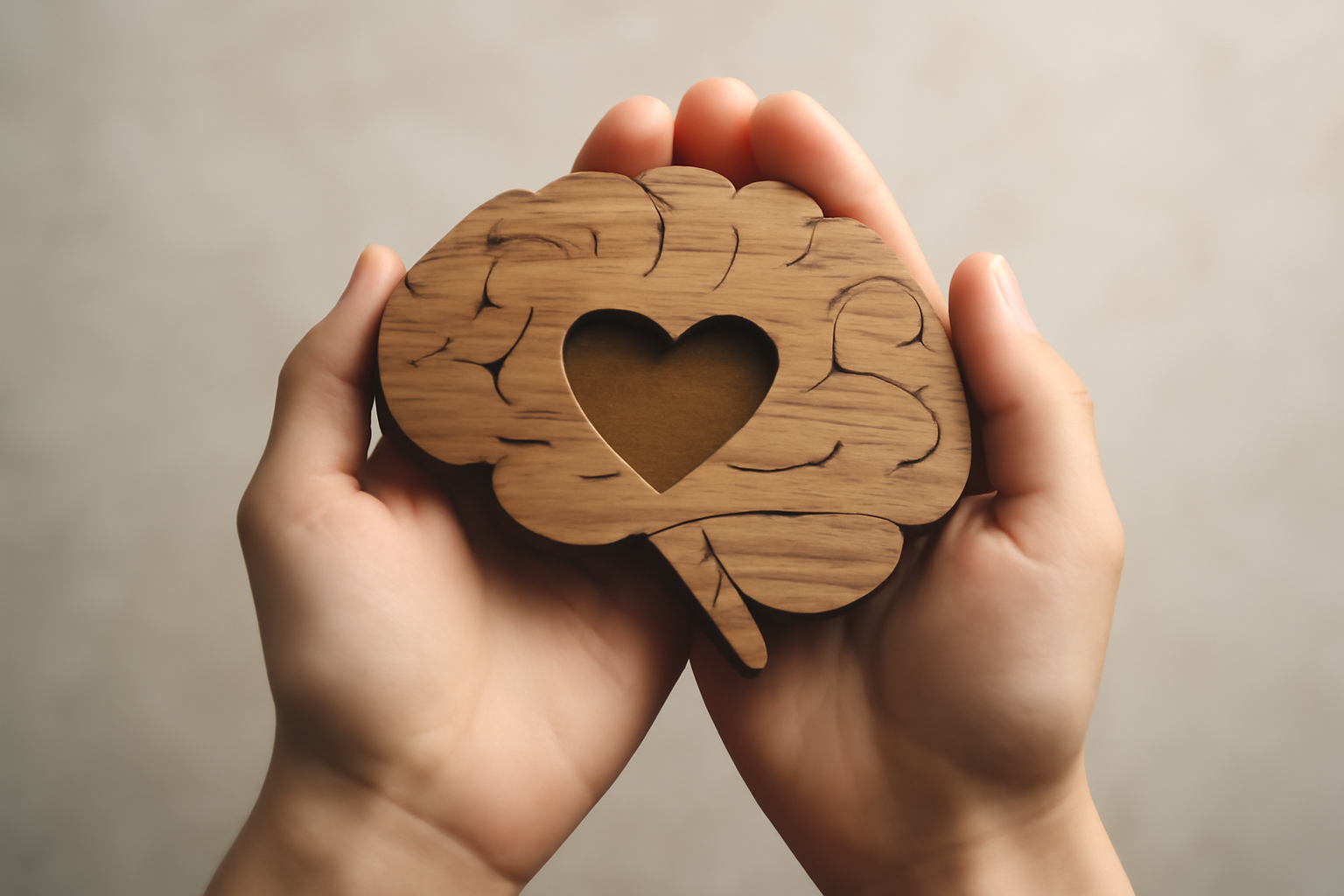
Mental health refers to our emotional, psychological, and social well-being. It affects how we think, feel, and act; it shapes our relationships, work, learning, and daily choices. Like physical health, it exists on a spectrum: many people experience periods of stress, mood changes, or anxiety, while others may face more persistent challenges. Mental health isn’t simply the absence of illness—it is a resource that helps us cope with life’s ups and downs and pursue meaning, connection, and growth.
Why does this matter? Because mental health underpins overall well-being. When people understand the facts, they’re more likely to seek support early, talk openly with others, and advocate for environments—at home, work, and school—that reduce harm and promote resilience. Accurate information also helps reduce stigma, which can otherwise create barriers to care and lead to isolation.
Key aspects and considerations
- Biopsychosocial model. Mental health emerges from the interactions of biology (genes, brain chemistry), psychology (thoughts, emotions, coping styles), and social context (relationships, culture, environment). No single factor alone determines outcomes.
- Stigma, language, and cultural context. How we talk about mental health matters. Respectful language, inclusive practices, and culturally sensitive care help people feel seen and safe when seeking help.
- Access and disparities. Availability of care varies by location, income, ethnicity, and other factors. Barriers can include cost, wait times, transport, language, and the shortage of trained professionals in some areas.
- Measurement and diagnosis. Standardized tools guide diagnosis, but they don’t capture every person’s experience. A diagnosis is a guide, not a verdict, and some people live well without fitting into a specific label.
- Trauma-informed and person-centered care. Approaches that prioritize safety, empowerment, and collaboration tend to be more effective and respectful, especially for people who have experienced adversity.
- Privacy, consent, and digital data. When care or digital tools are involved, protecting privacy and obtaining informed consent are essential. Be mindful of how apps and online platforms collect, store, and use information.
Current research and developments
The science of mental health is advancing on several fronts, offering better understanding, prevention, and care. While findings evolve, a few areas have gained notable attention:
- Neuroscience and biology. Researchers explore brain circuits, neurotransmitters, and how stress influences neural pathways. Studies on neuroplasticity highlight the brain’s ability to change with experience, learning, and treatment.
- Digital mental health and telehealth. Teletherapy, remote monitoring, and evidence-based apps expand access, especially where in-person services are scarce. As with any tool, effectiveness depends on quality, user fit, and privacy protections.
- Prevention, early intervention, and resilience. Schools, workplaces, and communities are adopting programs that promote mental health literacy, stress management, sleep, sleep hygiene, and social connection before problems escalate.
- Sleep and circadian health. Sleep quality strongly influences mood, cognition, and overall functioning. Research links irregular sleep patterns with higher risk for various mental health concerns and emphasizes sleep-friendly routines.
- Youth mental health and digital environments. Adolescents face unique challenges related to identity, peer pressure, and online experiences. Ongoing work seeks protective factors, supportive messaging, and targeted interventions that respect youths’ autonomy.
- Personalized and precision approaches. Some studies aim to tailor prevention and treatment to individuals’ biology, preferences, and life circumstances, while balancing ethics, accessibility, and equity concerns.
While research grows, credible sources remind us to interpret findings in context, consider study quality and population, and combine scientific insights with lived experience and professional guidance.
Practical implications for daily life
Fact-based understanding translates into concrete steps that people can take at home, in school or work, and in the community. The goal is to support well-being, reduce distress, and improve access to respectful care.
- For individuals: Prioritize regular sleep, balanced meals, physical activity, and time for rest. Notice early warning signs such as persistent sadness, irritability, withdrawal, changes in concentration, or thoughts of self-harm, and seek help promptly. When in doubt, talk to a trusted person or a healthcare professional. If you’re ever in immediate danger, contact your local emergency number right away.
- Talking with others: Start with curiosity and non-judgment. You can say, “I’m worried about you and want to help. Would you be open to talking with a professional?” Listening without rushing to fix things can be very supportive.
- Practical supports in daily life: Build routines, set small achievable goals, and use stress-relief strategies such as breathing exercises, mindfulness, or short walks. Limit excessive alcohol and avoid non-prescribed substances, which can worsen mental health symptoms for some people.
- Digital tools and apps: If you use mental health apps, choose those with evidence-based content, transparent privacy policies, and data controls. Remember that apps complement—not replace—professional care when needed.
- Families and friends: Learn about available supports, encourage appointments, and create a listening-friendly environment. Share resources and accompany someone to appointments if they want.
- Workplaces and schools: Promote mental health literacy, reduce stigma, provide flexible accommodations, and offer access to confidential counseling or employee/student assistance programs. Policies that prioritize wellbeing can boost productivity, retention, and a sense of safety.
Resources for further support
Reliable, evidence-based sources can guide you to information, self-help tools, and professional care. The links below are intended to help you explore options and learn about mental health in trustworthy contexts.
- National Institute of Mental Health (NIMH) — evidence-based information on mental disorders, treatments, and research.
- World Health Organization — Mental health — global perspectives, guidelines, and data.
- MentalHealth.gov (U.S.) — plain-language information about mental health services and supports.
- SAMHSA — resources on behavioral health, treatment options, and crisis supports.
- Mind (UK) — guidance, self-help, and local support options.
- NHS — Mental health (UK) — overview, symptoms, and where to get help.
- Centre for Addiction and Mental Health (CAMH) — Canada — information on mental health, disorders, and treatment resources.
If you’re seeking local support, your primary care provider can help you assess needs and refer you to appropriate services. If you’re in a country not listed here, look for a national health service or trusted nonprofit organization dedicated to mental health in your community.