
What mental health illnesses are and why they matter
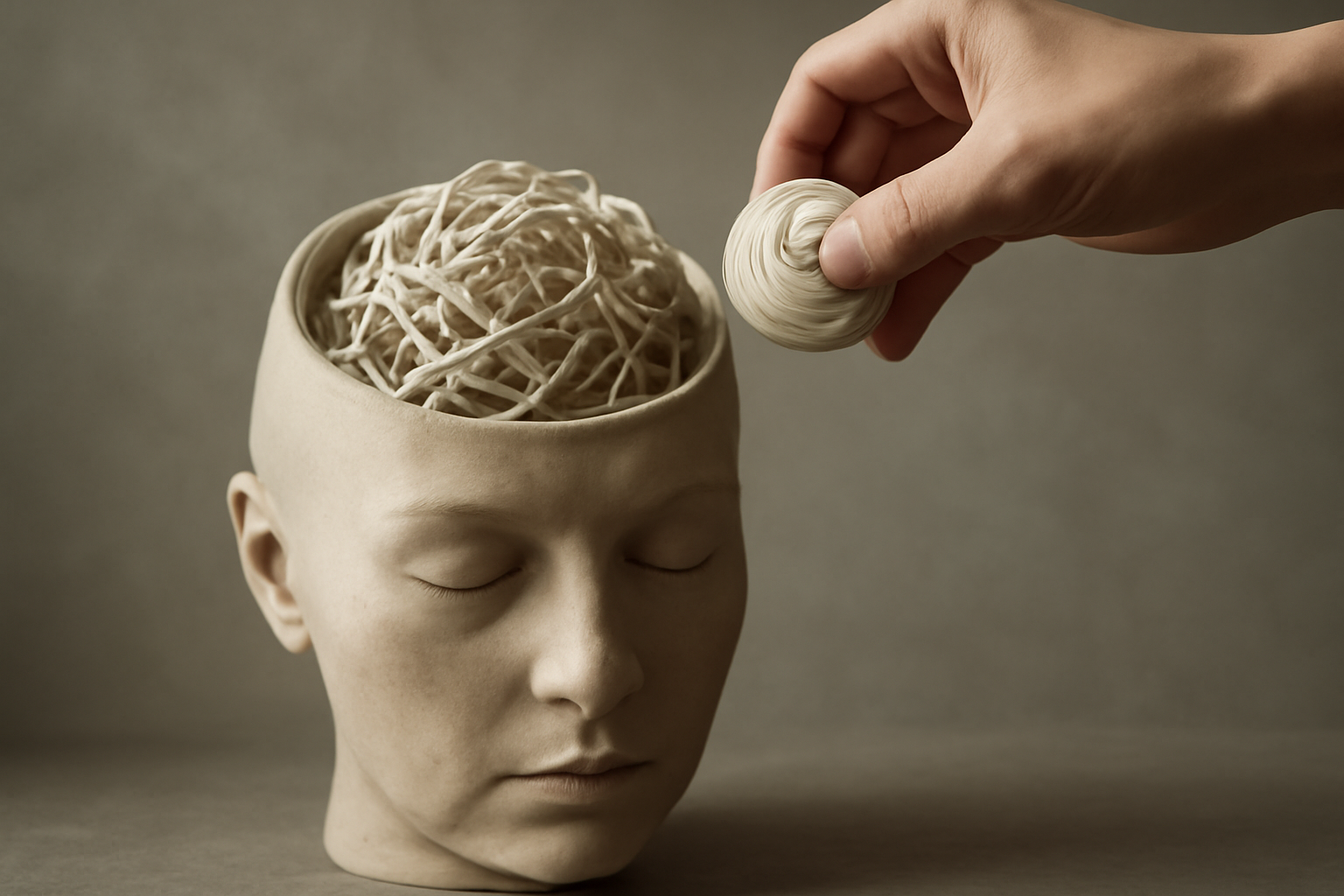
Mental health illnesses refer to a wide range of conditions that affect mood, thinking, behavior, and daily functioning. They are not a sign of personal weakness, and they occur across all ages, cultures, and backgrounds. Understanding the spectrum helps us recognize when help may be needed, navigate treatment options, and advocate for access to care.
These conditions often interact with physical health, sleep, stress, relationships, and environment. Early recognition, appropriate assessment, and evidence-based treatment can reduce distress, improve quality of life, and support recovery. Awareness also helps communities foster safer, more inclusive conversations and reduce stigma that can hinder people from seeking support.
Mental health illnesses: a practical list with brief notes
Anxiety disorders
A group of conditions characterized by excessive worry, fear, or nervousness that can interfere with daily life. Types include generalized anxiety disorder, panic disorder, social anxiety, and specific phobias. People may also experience physical symptoms like chest tightness, rapid heartbeat, or dizziness. Treatments commonly include cognitive-behavioral therapy (CBT), other forms of psychotherapy, and sometimes medication. Self-care strategies such as regular routines, stress management, and gradual exposure to feared situations can support professional care.
Mood disorders
Mood disorders involve persistent changes in mood—most often depression or elevated, energetic states. Major depressive disorder features persistent sadness, fatigue, and loss of interest, while bipolar disorder includes cycles of depressive and manic or hypomanic episodes. Treatment typically combines psychotherapy, antidepressant or mood-stabilizing medications, and lifestyle adjustments. Early support, trusted clinicians, and ongoing management are key to long-term well-being.
Eating disorders
These conditions involve abnormal eating habits and preoccupations with food, weight, or body image. Common examples include anorexia nervosa, bulimia nervosa, and binge-eating disorder. They affect physical health as well as mental well-being and often require coordinated care. Evidence-based treatments include specialized psychotherapy, medical monitoring, and, in some cases, nutritional counseling and family-based interventions.
Psychotic disorders
Psychotic disorders involve symptoms such as delusions, hallucinations, disorganized thinking, or impaired insight. Schizophrenia is a prominent example. These conditions impact perception and interpretation of reality and usually require a combination of antipsychotic medications, supportive therapy, and social services.
Obsessive-compulsive and related disorders
OCD and related conditions feature intrusive thoughts (obsessions) and repetitive behaviors or mental acts (compulsions) aimed at reducing distress. Treatment often includes CBT with exposure and response prevention, sometimes combined with medication.
Post-traumatic stress disorder (PTSD)
PTSD can follow exposure to a traumatic event and may involve intrusive memories, avoidance, and heightened arousal. Evidence-based therapies include trauma-focused CBT and EMDR, with additional options such as medications for symptom relief.
Attention-deficit/hyperactivity disorder (ADHD)
ADHD is characterized by persistent patterns of inattention and/or hyperactivity-impulsivity that affect daily functioning. Treatment often combines behavioral strategies, academic support, and, when indicated, stimulant or non-stimulant medications alongside psychoeducation.
Autism spectrum disorders
Autism involves differences in communication, social interaction, and behavior that appear in childhood and continue across the lifespan. Support focuses on communication strategies, skills training, and accommodations in education and work settings.
Personality disorders
These conditions describe enduring patterns of thinking, feeling, and behaving that deviate from cultural expectations and cause distress or impairment. Treatments often emphasize psychotherapy, with services tailored to the specific personality style and co-occurring conditions.
Substance use disorders
Substance use disorders involve problematic patterns of alcohol or drug use that disrupt functioning. Recovery typically relies on a combination of behavioral therapies, peer support, medical management of withdrawal or cravings, and social services.
Sleep-wake disorders
Sleep disorders affect the ability to fall asleep, stay asleep, or achieve restorative sleep. They can worsen mood and cognitive function and often respond to behavioral approaches, sleep hygiene, and, when needed, medical treatment.
Key aspects and considerations
- Presentation varies widely by person, age, culture, and life context. Some people experience a gradual onset, others a sudden change in functioning.
- Diagnosis typically involves clinical interviews, standardized questionnaires, medical history, and consideration of co-occurring conditions. No single test confirms all conditions.
- Evidence-based care often blends psychotherapy, medications, lifestyle changes, and social supports. Access to a trusted clinician is a critical step.
- Stigmas and labels can hinder help-seeking. Using person-first language and focusing on symptoms and goals helps support autonomy and dignity.
- Cultural beliefs, gender, age, and socioeconomic factors shape how symptoms are understood and treated. Culturally responsive care improves outcomes.
- Mental health conditions commonly occur with physical health issues, substance use, or other mental health concerns, requiring integrated care.
- Barriers can include cost, wait times, transportation, and shortage of providers. Advocacy for accessible, affordable care is essential.
Current research and developments
The field is advancing on several fronts. Genetic and neurobiological research aims to clarify why conditions develop and how they run in families, potentially guiding personalized treatment. Early identification and preventive approaches are expanding in schools, communities, and primary care settings.
Digital mental health tools—from online therapy programs to smartphone-based monitoring—offer ways to increase reach and continuity of care, though they require careful evaluation for effectiveness and safety. Telepsychiatry and teletherapy have also broadened access, especially where in-person services are scarce.
Psychedelic-assisted therapies are being studied in controlled trials for certain conditions (for example, major depression and PTSD). These therapies emphasize rigorous screening, professional guidance, and ethical frameworks within research settings.
An integrated approach that links physical health, sleep, stress management, and social support with mental health treatment is increasingly recognized as essential for durable improvements.
Practical implications: what this means for daily life
- Open, nonjudgmental conversations reduce stigma and encourage help-seeking. Normalize asking how someone is doing and listening with care.
- If symptoms affect daily functioning for weeks or more, consider consulting a primary care clinician or mental health professional. Keep a symptom journal to share during visits.
- Work with clinicians to set realistic goals, understand treatment options, and discuss potential side effects and preferences.
- Request accommodations, flexible scheduling, or access to employee assistance programs. Advocate for inclusive, supportive environments that prioritize well-being.
- Regular sleep, balanced nutrition, physical activity, and stress-reduction practices support overall mental health and complement formal treatment.
- If there is any risk of harm to self or others, seek immediate help through local emergency services or crisis lines. Know local resources and contact numbers in advance.
Resources for further support
- National Institute of Mental Health (NIMH) – Overview of mental illness and treatment options NIMH Mental Illness Topic
- World Health Organization (WHO) – Mental health fact sheets and guidance WHO Mental Health
- MentalHealth.gov – How to recognize, seek help, and find resources in the United States What to Look For
- NHS – Mental health conditions, treatment options, and guidance NHS Mental Health
- National Alliance on Mental Illness (NAMI) – Education, support, and helplines NAMI
- American Psychiatric Association (APA) – What mental illness is and treatment considerations APA: What is Mental Illness?
- Substance Abuse and Mental Health Services Administration (SAMHSA) – Find treatment and support SAMHSA Mental Health