
What it is and why it matters
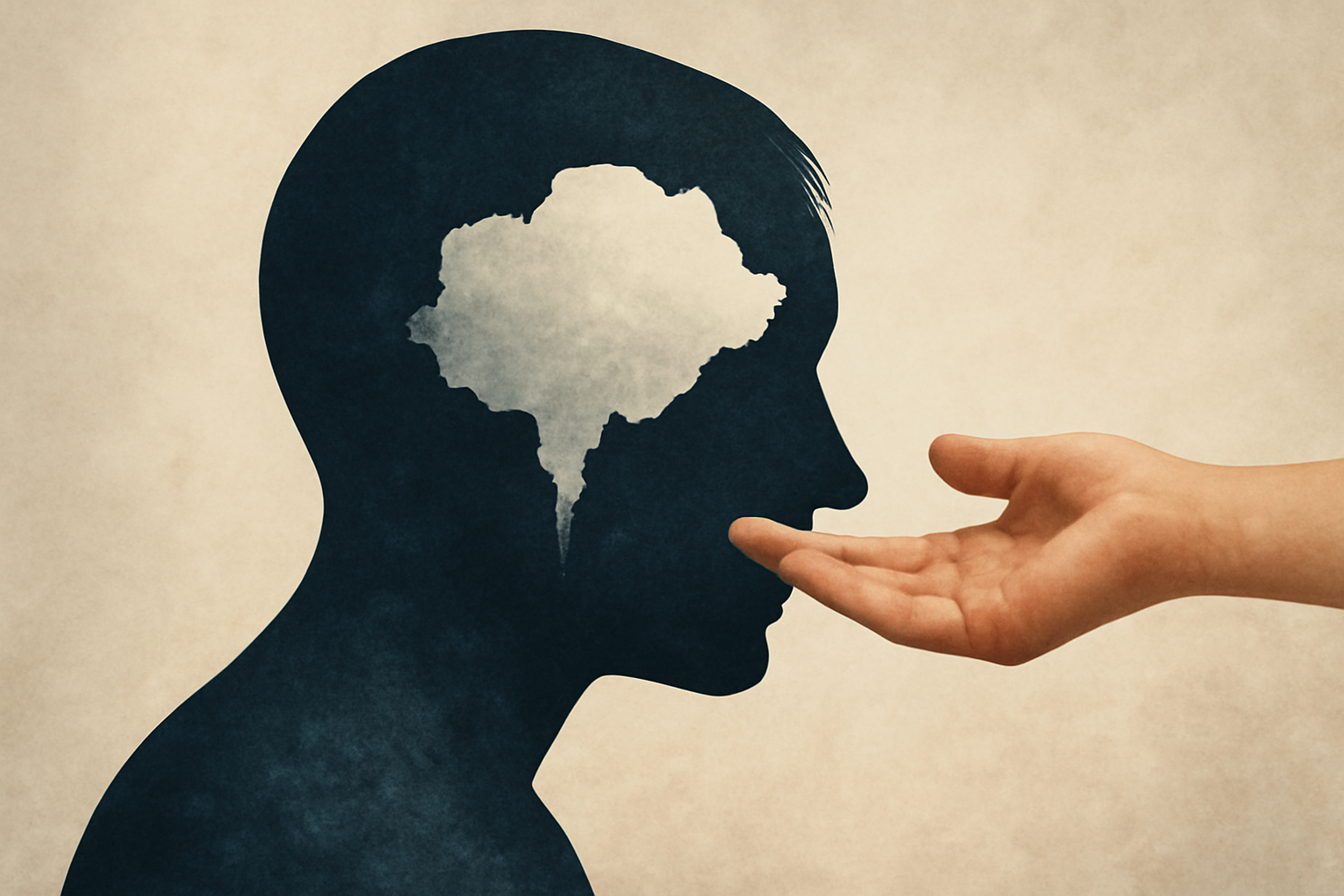
Mental difficulties encompass a broad range of experiences that can affect mood, thinking, behavior, and how we relate to others. They may arise from a combination of biology, genetics, life experiences, health conditions, and social context. Some people experience persistent mental health conditions that meet clinical criteria, while others face shorter, milder periods of distress that still impact daily life.
These experiences are common across ages, cultures, and circumstances. They are not a sign of weakness or personal failure. Understanding them matters because it helps people recognize when support is needed, reduces stigma, guides effective treatment, and supports safer, more inclusive communities. When we know the range of experiences, we can tailor help—from early self-care to professional care—so people can stay engaged at work or school, maintain relationships, and lead meaningful lives.
Examples span both common, everyday difficulties and clinically diagnosed conditions, including:
- Anxiety disorders (excess worry, panic, phobias)
- Depressive disorders (persistent sadness, loss of interest, fatigue)
- Bipolar disorder (episodes of mood highs and lows)
- Obsessive-compulsive and related disorders (intrusive thoughts, repetitive behaviors)
- Trauma- and stressor-related conditions (PTSD, acute stress reactions)
- Attention and learning differences (ADHD, autism spectrum conditions)
- Psychotic experiences (hallucinations, delusions) in certain contexts
It’s important to recognize that people often experience more than one difficulty at a time (comorbidity) and that symptoms can vary in intensity. Cultural background, language, age, and life circumstances shape how difficulties appear and how people seek help.
Key aspects
Understanding mental difficulties involves looking at several interconnected factors. These considerations help individuals, families, educators, employers, and policymakers respond with empathy, effectiveness, and fairness.
- Symptoms can emerge at any age and follow different courses. Some people experience episodic challenges, others have persistent patterns, and some improve with time and support.
- Past or ongoing trauma, discrimination, poverty, and unsafe environments can increase risk and complicate recovery. Trauma‑informed approaches emphasize safety, choice, and empowerment.
- Genetic predispositions, neurodevelopmental factors, physical health, sleep, nutrition, and stress all influence mental difficulties. They interact in complex ways, making personalized care important.
- Barriers such as cost, transportation, stigma, language, and lack of local services affect who gets help and when. Equity-minded care seeks to remove these barriers.
- Beliefs about mental health, treatment preferences, and family dynamics vary. Culturally sensitive care honors diverse views and strengthens engagement.
- Language matters. Person‑first language and nonjudgmental conversations help people seek help and feel respected.
- Trust is essential. Clear consent, confidentiality, and safety planning are foundational in care and crisis response.
- Mental and physical health influence each other. Integrated care that addresses multiple needs tends to be more effective.
- People often have strengths—coping skills, social support, creativity—that can support recovery and well‑being when acknowledged and encouraged.
Practical self-help
The ideas above translate into everyday actions for individuals, families, workplaces, and communities. Here are practical steps to support well‑being and reduce avoidable distress.
- Prioritize sleep, balanced meals, regular physical activity, and meaningful social connections. Keep a simple symptom journal, set small, achievable goals, and seek professional help when distress interferes with daily life. Consider tried‑and‑true therapies (like CBT or mindfulness) alongside peer support, and use trusted digital tools with caution and oversight.
- Maintain open, nonjudgmental dialogue. Validate feelings, set boundaries, and avoid blame. If someone is in crisis, know local emergency numbers and have a plan for brief, supportive intervention while seeking professional guidance.
- Create supportive environments, offer mental health literacy, and implement accommodations that reduce stigma and enhance learning. Early identification and referral to school counselors or community providers can prevent escalation.
- Promote a culture of well‑being, provide access to employee assistance programs, allow flexible scheduling when needed, and designate private spaces for conversations or quiet work. Training on recognizing distress and reducing stigma helps teams stay connected and productive.
- Invest in accessible services, diversify funding for mental health programs, and support community‑based initiatives that reduce isolation. Policy efforts that promote parity between mental and physical health care improve overall outcomes.
- Have a simple crisis plan: identify trusted contacts, local emergency numbers, and steps to take if someone is at risk of harming themselves or others. Share the plan with trusted people you are with and keep it up to date.
Current research
The field is evolving toward more holistic, person‑centered approaches. Researchers are examining how to tailor care to individual needs while expanding access and reducing harm. Several notable trends are shaping today’s mental health landscape.
- There is growing recognition that neurodiverse experiences are part of human variation. Services increasingly aim to support people with diverse cognitive and sensory profiles without forcing conformity to a single standard of “normal.”
- Teletherapy, mental health apps, online screenings, and digital coaching expand reach, especially where in‑person services are scarce. While promising, these tools require careful attention to efficacy, privacy, and user safety.
- Models that connect primary care, specialty mental health services, schools, and workplaces help people get the right level of support at the right time.
- Treatments like cognitive-behavioral therapy (CBT), acceptance and commitment therapy (ACT), mindfulness approaches, and newer modalities are being refined and combined with digital supports. Personalization aims to match therapies to individual needs and preferences.
- Advances in medications focus on effectiveness and tolerability, with ongoing research into how genetics and biomarkers might guide treatment choices in the future. Caution remains, as no single biomarker currently guides all decisions.
- Population‑level strategies—early education, workplace mental health literacy, and access to crisis resources—are expanding, aiming to prevent distress from escalating into more serious conditions.
It’s important to approach new developments with a critical eye: effectiveness, safety, privacy, and equity must guide adoption in real‑world settings. People deserve accurate information, transparent processes, and choices about their own care.
Getting help
These organizations offer information, referrals, and free support.
- National Institute of Mental Health (NIMH) — Clear information on common conditions, treatment options, and research updates.
- National Alliance on Mental Illness (NAMI) — Family support, education programs, and helplines.
- Mental Health America (MHA) — Screening tools, community resources, and wellness tips.
- World Health Organization — Mental health — Global perspectives, policy guidance, and best practices.
- Depression and Bipolar Support Alliance (DBSA) — Peer support, education, and resources for mood disorders.
- Anxiety and Depression Association of America (ADAA) — Information, self‑help tools, and therapist directories.
- Suicide & Crisis Lifeline — 24/7 crisis support and guidance.
- International OCD Foundation — OCD education, resources, and local support referrals.