
Understanding autism in adults matters because it shapes daily life, health, work, and relationships. For many adults, autism is a lifelong pattern of thinking, sensing, and interacting that can be overlooked or misunderstood. Recognizing how these differences show up in adulthood can reduce frustration, increase self-acceptance, and help people access supports that improve well-being.
Autism is not a defect to be “fixed.” It is a neurodevelopmental difference that, with the right accommodations and communities, can be managed and celebrated. This article offers clear explanations, practical strategies, and trusted resources to help adults navigate their own experiences or support someone they care about.
Whether you’re seeking a diagnosis, aiming to improve workplace experience, or simply trying to understand a friend or partner, you’ll find guidance here that centers respect, evidence, and real-world application.
Understanding the adult autism experience
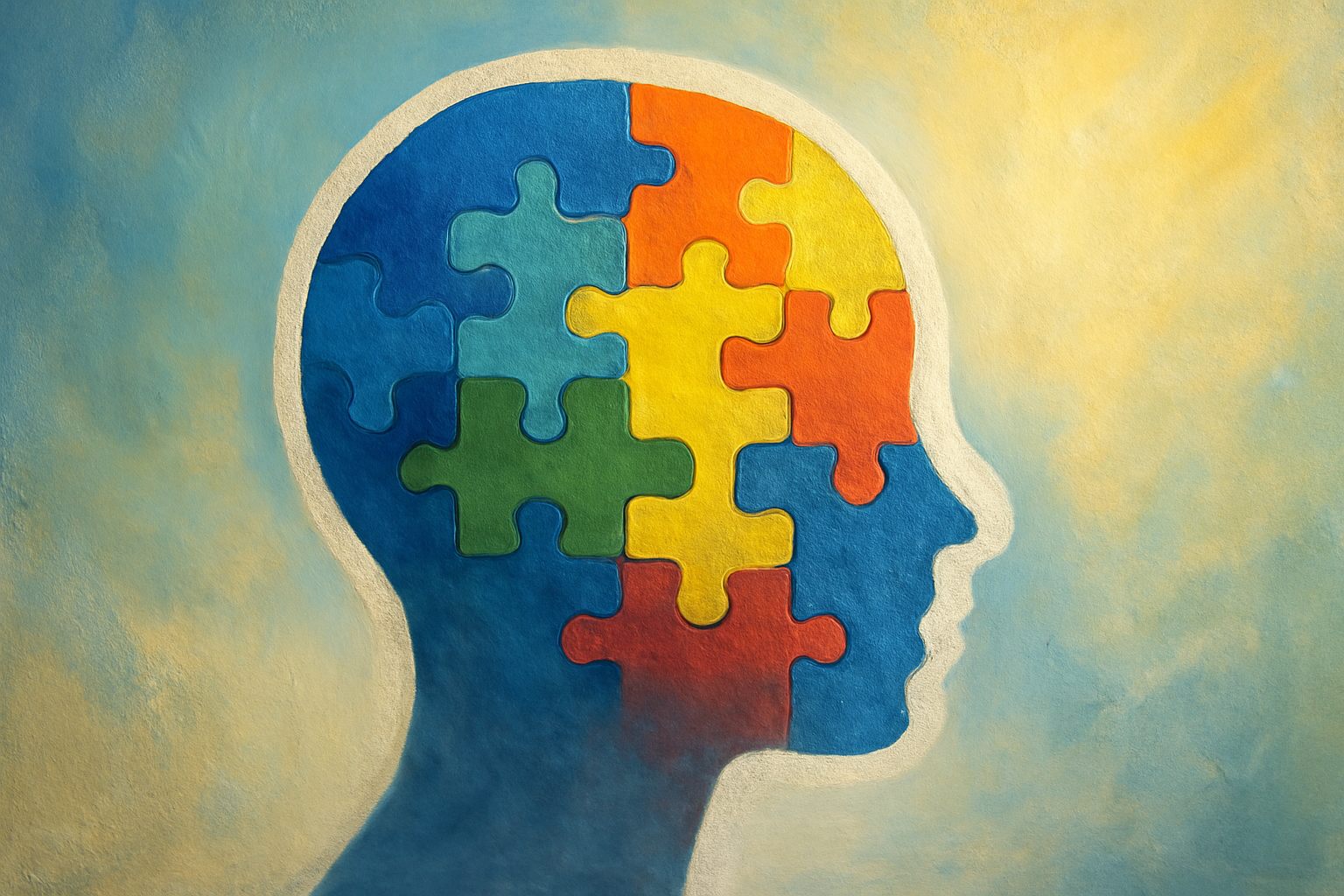
Autism exists on a spectrum, meaning there is a wide range of presentations. Some adults may be highly verbal and organized, while others communicate differently or rely on structured routines to manage daily life. Core traits often include differences in social communication, sensory processing, and pattern-based thinking. It’s common for adults to have learned strategies—sometimes called masking or camouflaging—to hide autistic traits in social situations. While masking can help in the moment, it can also be exhausting and contribute to anxiety or burnout over time.
Many adults with autism also experience co-occurring conditions such as anxiety, depression, ADHD, or learning differences. Sensory experiences—like loud noises, bright lights, or certain textures—can be especially intense. Strengths often highlighted by autistic people include deep focus, strong memory for details, honesty, creativity, and a talent for systemizing information or spotting patterns. Recognizing these strengths alongside challenges can shift the narrative from “deficit” to “neurodiversity in action.”
Diagnosis in adulthood can be transformative. For some, it clarifies years of puzzling experiences; for others, it can reopen questions about identity, relationships, and self-advocacy. A clinical assessment gained in adulthood typically involves gathering developmental history, current functioning, and adaptive skills. The goal is to build a comprehensive picture that informs supports rather than labeling someone as “broken.”
Key concepts to know
Here are essential ideas that help adults better understand themselves or others:
- Neurodiversity paradigm: Autism is a natural variation in human neurology. Society benefits when environments accommodate a broader range of communication styles, sensory needs, and problem-solving approaches.
- Masking and camouflaging: The effort to conceal autistic traits to fit in. It can protect in social or professional settings but may exhaust energy, contribute to stress, and delay support.
- Sensory processing differences: Some individuals are highly sensitive to stimuli (hypersensitivity) or less responsive (hyposensitivity). Both can affect comfort, focus, and safety in daily life.
- Executive functioning: Skills like planning, organizing, prioritizing, and sustaining attention can be more challenging, but they can be supported with routines, reminders, and external structure.
- Co-occurring conditions: Anxiety, depression, ADHD, sleep disorders, digestive issues, and learning differences often accompany autism and require integrated care.
- Disclosure and accommodations: Some people choose to disclose autism in workplaces or schools to receive accommodations, while others prefer privacy. The decision depends on personal goals, safety, and trust in the environment.
Practical applications for daily life
In the workplace
Work environments can be made more comfortable and productive with thoughtful accommodations and clear communication. Practical steps include:
- Ask for reasonable adjustments, such as noise-canceling headphones, a quiet workspace, flexible scheduling, or written rather than only verbal instructions.
- Clarify expectations with supervisors using concrete, step-by-step guidance and check-ins to reduce ambiguity.
- Use visual supports and calendars to organize tasks, deadlines, and projects. Break large tasks into smaller, manageable steps.
- Request structured feedback and goals to align with personal work rhythms and strengths, such as detail-oriented tasks or data analysis.
- Seek an autism-informed mentor or job coach who understands how to translate autistic strengths into career success.
At home and in daily routines
Homes can be organized to reduce overwhelm and support routines:
- Maintain predictable daily routines with flexible buffers for transitions between activities.
- Create sensory-friendly spaces: controlled lighting, reduced clutter, calming textures, and access to familiar items and comfort strategies.
- Use checklists, reminders, and routine-based cues to help with chores, appointments, and self-care.
- Practice self-advocacy by naming needs to household members or support partners and negotiating shared responsibilities.
In relationships and social life
Relationships benefit from clear communication and respect for differences:
- Share preferred communication styles and tuning cues for social situations.
- Set boundaries around sensory needs and energy levels, including downtime after high-stimulation events.
- Seek or form social groups with shared interests, where predictable routines and shared norms support comfort and belonging.
Healthcare and personal care
Finding autism-informed care improves health outcomes. Tips include:
- Choose professionals who have experience with autism in adults and who listen without judgment.
- Prepare for appointments with a brief summary of concerns, a list of medications, and a short developmental history if relevant.
- Address co-occurring conditions, sleep, nutrition, and mental health proactively, recognizing how they interact with autism.
- Discuss decision-making preferences and the level of support needed for medical care and daily tasks.
Benefits and considerations
Recognizing autism in adulthood can unlock several benefits, including access to tailored therapies, social support, and workplace accommodations that validate lived experiences. People often report greater self-understanding, reduced guilt about differences, and stronger communities when they connect with autistic peers who share similar journeys.
However, there are important considerations. Stigma and misinformation can lead to stress or fear about seeking help. Masking, while sometimes protective, can worsen mental health over time. Financial costs, time for assessments, and finding knowledgeable clinicians can be hurdles. Balancing the desire for privacy with the potential benefits of disclosure is a highly personal decision, usually guided by safety, needs, and trust in the environment.
Professional guidance when needed
Professional involvement is often helpful, especially if you notice persistent challenges in work, relationships, or mental health. When to consider seeking evaluation:
- Great difficulty in social communication despite effort to fit in, plus patterns of sensory distress or repetitive behaviors.
- Longstanding experiences that are better understood with a neurodevelopmental lens, such as chronic anxiety tied to social situations or rigid routines causing distress when interrupted.
- Interest in accessing supports like therapy, coaching, or accommodations at work or school.
What to expect in an adult autism assessment:
- A comprehensive developmental and medical history review, often including information from family or long-time partners.
- Clinical interviews focused on current functioning, daily living skills, and adaptive behavior.
- Standardized questionnaires or checklists, sometimes used alongside observations and collateral input.
- Discussion about inclusive supports, not just diagnosis labeling—covering therapies, education, and workplace adjustments.
Common professional paths include psychologists or psychiatrists familiar with autism in adults, developmental-behavioral specialists, occupational therapists, speech-language pathologists, and social workers. Treatments may involve adapted cognitive-behavioral therapies, social skills training, coaching for executive functioning, sensory integration strategies, and family or partner counseling to support relationships.
Actionable steps you can take today
- Reflect on daily experiences: identify moments when sensory input, social demand, or routine changes feel most difficult, and where you feel most yourself.
- Research autism-informed clinicians or clinics in your area. Look for terms like “adult autism assessment,” “neurodiversity-affirming care,” or “autism coaching.”
- Prepare a concise personal history for a potential evaluation, including developmental milestones, education/work history, and current concerns.
- Ask your employer about accommodations using a simple, specific plan (e.g., quiet workspace, written instructions, flexible scheduling).
- Build a support network: connect with others who share autistic experiences, whether in local groups, online communities, or community centers.
- Try practical tools: calendars, task managers, visual schedules, and timers to support executive functioning and routine.
- Practice self-advocacy by naming needs in trusted settings and advocating for gradual, collaborative problem-solving with supporters.
- Keep a “sensory diary” for a week: note triggers, intensity, coping strategies, and what helped most.
- Prioritize sleep, regular meals, and physical activity, recognizing how health intersects with mood and cognition.
- Explore resources that emphasize practical supports rather than stigmatizing labels.
Resources and supports
Reliable organizations can provide information, connections, and advocacy. Always verify that resources are current and suitable for your location:
- Autism Society — information on diagnosis, supports, and local services.
- National Institute of Mental Health — Autism Spectrum Disorders — overview of autism in adults and related research.
- Autism Speaks — resources for families, adults, and professionals, including practical guides and toolkits.
- Understood — clear, beginner-friendly guidance on autism, executive function, learning styles, and daily strategies.
Beyond national organizations, you may find local clinics, university programs, and community centers offering adult autism assessments, counseling, and social groups. If you’re considering a diagnosis or supports, starting with a trusted clinician or a local autism organization can help you connect with services that fit your needs and values.
Taking the next step toward understanding yourself or someone you care about is a meaningful journey. With the right information, practical strategies, and supportive communities, adults on the autism spectrum can lead fulfilling, productive lives while honoring their unique strengths and ways of experiencing the world.
