
Understanding social media mental health matters because the online world interacts with how we feel, think about ourselves, and connect with others. Your feed can lift you up or drag you down, influence sleep and stress, and shape self-esteem in subtle, long-lasting ways.
As platforms curate feeds and push notifications, knowledge about these dynamics helps people use social media more consciously, seek support when needed, and leverage its benefits while limiting harms.
What it is and why it matters
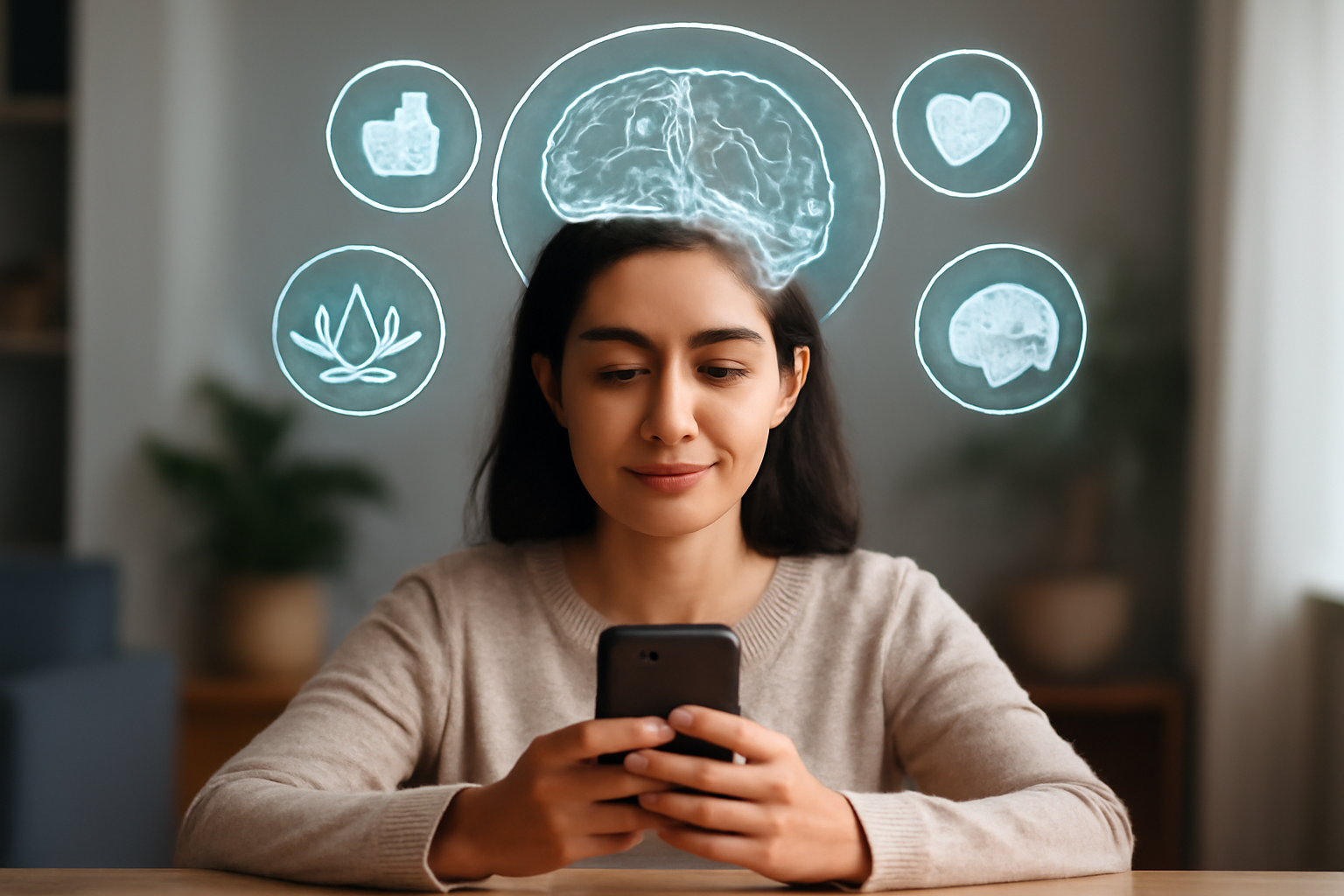
Social media mental health describes the dynamic relationship between online social media use and mental well-being. It encompasses mood shifts after scrolling, changes in self-esteem tied to online comparisons, and how online communities influence belonging, stress, and coping. The relationship runs both ways: mental health can shape how we use social media, and our online experiences can, in turn, affect our mental health.
Why this matters is straightforward. For many, social media is a primary channel for friendship, information, and self-expression. When used mindfully, it can provide support networks, access to mental health resources, and a sense of community. When misused or mismanaged, it can amplify anxiety, fuel harsh comparisons, expose people to cyberbullying, and disrupt sleep or concentration. The effects are not uniform; they depend on individual factors, platform design, the content encountered, and how users interact with that content.
Key aspects and considerations
- Type of use matters. Passive scrolling often relates to negative mood and social comparison, while active engagement (commenting, messaging, creating content) can strengthen connection and purpose.
- Content quality and tone. Highly curated, idealized portrayals can distort body image and self-worth; communities focused on support, coping strategies, and validation tend to have more protective effects.
- Algorithmic exposure. Recommendation systems shape what you see, when you see it, and how often you’re exposed to distressing news or harmful content, sometimes amplifying negative patterns.
- Sleep and routines. Late-night use and notifications can fragment sleep, increase rumination, and reduce restorative rest.
- Safety and privacy. Personal data, harassment, and cyberbullying are real risks online. Privacy controls and reporting tools matter for mental well-being and a sense of safety.
- Digital literacy and coping skills. Critical thinking about content, setting boundaries, and using platform features thoughtfully are protective factors.
- Access and equity. Not everyone has equal access to healthy online spaces or offline supports, which can influence how social media impacts well-being.
Current research and developments
Research on social media and mental health shows a nuanced picture. Across studies, time spent on social platforms is sometimes linked to mood changes, but the strength and direction of associations vary by age, context, and how people use these platforms. In general, passive, repetitive use and exposure to distressing content tend to be more strongly associated with negative outcomes, whereas meaningful connections and access to supportive communities can buffer stress.
Key takeaways from recent work include:
- Context matters. The same amount of time can be helpful for one person and harmful for another, depending on purpose, mood, and social support offline.
- Quality over quantity. Positive online interactions, validation from supportive peers, and access to credible information are linked with better well-being, while cyberbullying and rumor-spreading are linked with harm.
- Mechanisms identified. Social comparison, fear of missing out (FOMO), information overload, and disrupted sleep are recurrent pathways through which social media can impact mood and self-esteem.
- Protective design and interventions. Features that reduce harm (for example, reducing emphasis on likes, promoting breaks, or nudging mindful use) show potential to lessen negative effects and encourage healthier habits.
- Benefits exist alongside risks. Online spaces can provide peer support for mental health, facilitate help-seeking, and connect people with resources, especially for marginalized groups or those with limited offline support.
Organizations and researchers continue to explore how platform design, user education, and policy changes can support well-being. For instance, there is growing emphasis on digital literacy, media literacy, and the promotion of healthy online routines in schools and workplaces. For readers seeking evidence summaries, reputable sources such as the American Psychological Association provide overviews of how social media relates to mental health and strategies for healthier use, available here: APA: Social media and mental health.
Practical implications
Whether you’re a teenager, a young adult, a parent, or an educator, there are concrete steps to support mental health in the age of social media. Below are evidence-informed practices you can adapt to your context.
- Create a personal use plan. Set daily or weekly time limits, designate device-free zones or times (e.g., during meals or before bed), and schedule intentional, purpose-driven use (e.g., for connection, not endless scrolling).
- Curate your feed. Regularly audit who and what you follow. Unfollow or mute accounts that trigger negative emotions, and seek content that offers support, learning, or constructive engagement. Consider following creators who promote mental health literacy and kindness.
- Mindful engagement. Before reacting to a post, pause to assess your mood and intent. Ask questions like: Is this content helping me learn or connect, or is it triggering stress?
- Protect sleep and attention. Turn off nonessential notifications, use blue-light filters in the evening, and avoid screen use in the hour before bed to support sleep quality and emotional regulation.
- Build offline supports. Maintain strong in-person or close online networks. Use social media as a bridge to real-world connections rather than a substitute for them.
- Digital literacy and safety skills. Learn how to report harassment, manage privacy settings, and recognize misinformation. These skills reduce anxiety about online spaces and empower safer participation.
- Supportive environments. Parents and educators can model balanced use, set age-appropriate norms, and provide guidance for young people on handling online negativity and online coping strategies.
Additional resources
If you’re looking for credible information, guidance, or direct support, the following resources can help. When in immediate danger, contact local emergency services.
- Crisis Text Line — text-based crisis support (availability varies by region).
- American Psychological Association: Social media and mental health — overview of research and practical strategies.
- Mental Health America — tools for mental health screening, information, and local resources.
- National Alliance on Mental Illness (NAMI) — education, support groups, and crisis resources.
- World Health Organization: Mental health — global perspective, guidance, and data.
For more specialized guidance, you can explore platform-specific wellbeing resources, digital literacy programs, and school or workplace initiatives that focus on healthy online habits. Remember, social media is a tool—along with thoughtful use and strong supports, it can inform, connect, and empower while minimizing risk.