
What it is and why it matters
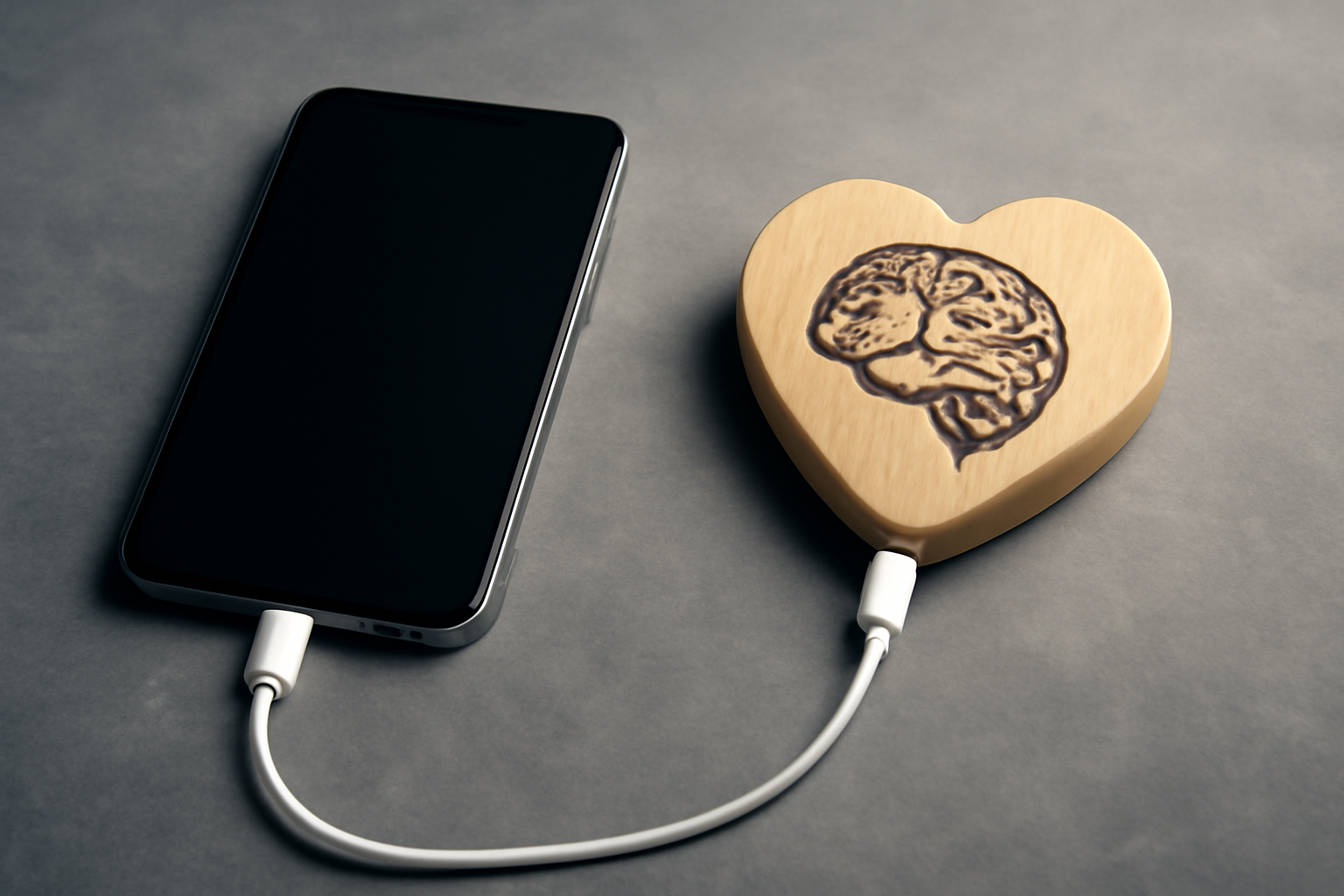
Social media refers to online platforms that enable people to create, share, and interact with content and with each other. When we talk about its effects on mental health, we mean changes in mood, stress levels, self-esteem, sleep, coping strategies, and relationships that can arise from how we encounter, interpret, and respond to online content.
The impact is not one-size-fits-all. For some, social media provides crucial social connection, information, and a sense of belonging. For others, it can amplify worries, comparison, or distress. In practice, the way people use these platforms—what they see, how much time they spend, and how they respond to feedback—often interacts with factors like preexisting mental health, personality, and offline life stressors.
Research consistently shows a nuanced picture: social media can be a source of support and learning, but it can also correlate with increases in anxiety, depressive symptoms, or sleep disruption, especially when use is heavy or passive. Understanding these nuances helps individuals make better choices about when and how to engage.
For a broad look at the field, you can explore resources from leading health organizations. For example, the World Health Organization highlights the importance of mental health within digital life, while the American Psychological Association discusses how social media relates to wellbeing and behavior. These perspectives can help ground personal decisions in evidence-based guidance. World Health Organization and APA resources offer useful context for readers seeking deeper understanding.
Key aspects and considerations
- Active use (creating posts, commenting, messaging) can foster connection, while passive scrolling may heighten rumination or unfavorable social comparisons.
- The type of content you encounter—body image ideals, sensational news, or supportive communities—shapes your mood and stress levels.
- Personalized feeds prioritize engagement, which can amplify both positive interactions and negative triggers if not managed carefully.
- Using devices late at night can disrupt sleep, with downstream effects on mood, cognition, and resilience.
- Exposure to cruelty or hate online can be distressing and have lasting emotional consequences.
- Constant tracking and targeted messaging can affect how safe people feel online and influence behavior.
- Understanding how content is curated, recognizing misinformation, and practicing healthy responses strengthen wellbeing.
It’s also important to consider demographic and individual differences. Adolescents may be more sensitive to social comparison, while adults with existing mental health concerns might experience heightened symptoms under certain online conditions. Families, schools, and workplaces can support healthier use by fostering awareness, digital literacy, and balanced routines.
Current research and developments
The research landscape shows a mixture of associations and caveats. Large-scale studies often find small-to-moderate links between heavy or harmful social media use and symptoms of anxiety or depression, especially among teenagers and young adults. But researchers also emphasize that the relationship is bidirectional and context-dependent: people who feel lonely may turn to social media, and the content they encounter can either alleviate or worsen distress.
A key distinction in recent work is the difference between active and passive use. Active engagement—posting, commenting, messaging—tresents opportunities for social support and meaning, while passive scrolling is more consistently linked to negative affect when it leads to upward social comparisons or exposure to distressing content.
Sleep disruption remains a consistent concern. Late-night use, blue-light exposure, and emotionally charged content can impair sleep quality, which in turn affects mood and cognitive function the following day. In response, platforms and researchers are exploring design changes and interventions to reduce risk, such as clearer boundaries around notifications, reminders to take breaks, and in-app resources for mental health.
For readers interested in the research horizon, consider the following developments:
- Growing emphasis on digital wellbeing features, including reminders to take breaks, customizable feeds, and safer content controls.
- Impact of misinformation and online hate on mood and trust, with ongoing work to improve content moderation and media literacy.
- Role of online communities in buffering stress and facilitating help-seeking, particularly for marginalized groups.
- Use of ecological momentary assessment and other real-time methods to capture how daily online experiences relate to mood fluctuations.
If you want a credible overview from reputable sources, consider these perspectives: WHO offers broad insights on mental health in the digital era, while APA discusses practical implications for clinicians and the public. For personal experiences and practical guidance on everyday use, Mind provides accessible resources tailored to different ages and contexts.
Practical implications for everyday life
If you’re looking to use social media in ways that support well-being, here are practical steps you can try. Start with small, manageable changes and adapt them to your routines.
- Designate tech-free times (for example, during meals or within an hour of bedtime) and use built‑in screen-time tools to help maintain them.
- Unfollow accounts that consistently trigger negative feelings and follow communities that offer encouragement, reliable information, and constructive discussion.
- Engage in conversations, share helpful content, and seek supportive messages rather than merely scrolling.
- Remember that online posts are often curated highlights, not representative of everyday life. Consider a quick pause or reflection when you notice a trigger.
- Keep devices out of the bedroom or enable night-mode features, and avoid emotionally charged content late at night.
- Check sources, question sensational headlines, and consider the impact of misinformation before reacting or sharing.
- If online distress is persistent, talk to someone you trust or contact a mental health professional. If you’re in distress, crisis resources can help immediately.
For families and educators, modeling balanced use, discussing online experiences openly, and teaching media literacy can promote healthier habits for children and teens while maintaining safe lines of communication.
Resources for further support
Access reputable information and direct support through these organizations. If you or someone you know is in immediate danger, contact local emergency services right away.
- Mind — Mental health and social media
- World Health Organization — Mental health
- American Psychological Association — Social media and mental health
- NIMH — Technology and mental health
- Crisis Text Line
If you’re looking for immediate, practical support, consider reaching out to a local mental health professional or a trusted organization in your country. Many hotlines offer confidential guidance and can help connect you with ongoing care.
