
Disabilities and mental health are interconnected dimensions of human well‑being. Understanding how physical, sensory, cognitive, and developmental differences relate to emotional and psychological health helps reduce stigma, improve access to care, and support people in participating fully in education, work, and daily life.
This perspective encourages inclusive practices that benefit everyone and uphold dignity and autonomy.
What disability and mental health mean
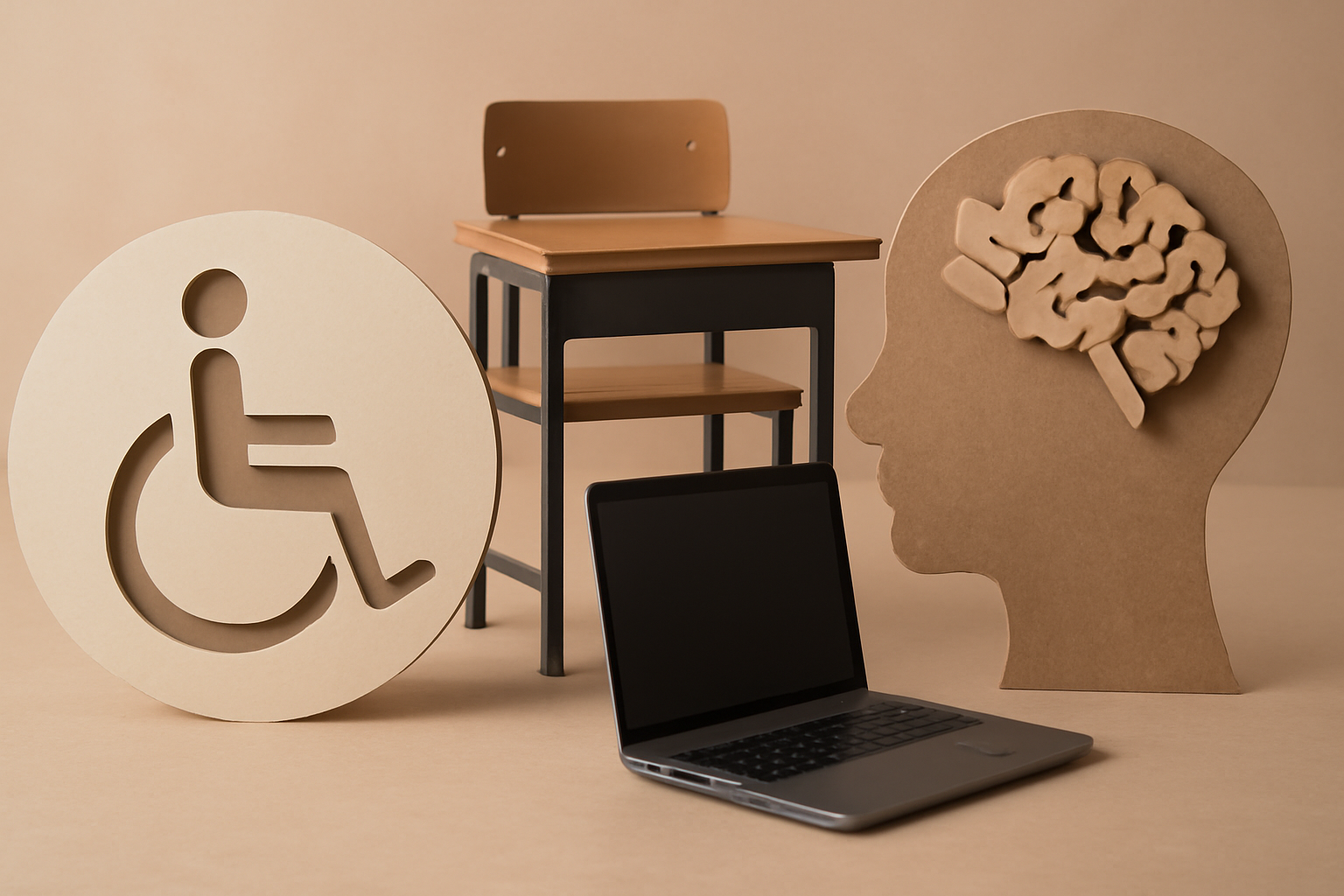
Disability is a broad term that includes physical, sensory, cognitive, and developmental differences that may affect daily functioning or participation in society. Mental health refers to emotional, psychological, and social well‑being; it encompasses a range of conditions—from temporary stressors to long‑standing disorders such as depression, anxiety, bipolar disorder, or schizophrenia—and how people manage their thoughts, feelings, and behaviors.
These areas often overlap. People with disabilities may experience higher rates of mental health concerns due to barriers like inaccessible information, stigma, or limited access to services. Conversely, mental health conditions can create or worsen functional challenges. Language matters: using respectful, person‑centered language preserves autonomy and avoids labeling people by their diagnosis. Some people prefer person‑first language (a person with a disability), while others embrace identity‑first language (a disabled person); when in doubt, ask about preferences and follow those choices.
- A spectrum of long‑term differences that can affect daily activities, communication, mobility, learning, or social participation.
- The state of emotional and psychological well‑being, including the presence of mental health conditions and the capacity to cope with life’s demands.
- Many individuals live with both disability and mental health needs, requiring coordinated and flexible supports.
- Language preferences vary; prioritize the person’s own words and emphasize abilities and goals rather than limitations.
Why it matters
Grasping the relationship between disability and mental health matters for health equity, social participation, and personal well‑being. When services and environments are accessible and inclusive, people can pursue education, employment, and community life with greater independence and dignity. Key reasons include:
- Access to care: Inclusive mental health services that accommodate disabilities reduce unmet needs and distress.
- Quality of life: Addressing both physical and mental health supports improves daily functioning and resilience.
- Stigma reduction: Clear, accurate information helps counter stereotypes and fear, enabling respectful interactions.
- Autonomy and participation: Reasonable accommodations and flexible supports empower people to set goals and make choices.
- Prevention and early intervention: Proactive, integrated approaches can prevent crises and promote long‑term well‑being.
Key aspects and considerations
- Accessibility and universal design: Create environments—physical, digital, and communicative—that are usable by people with a wide range of abilities. Examples include step‑free access, captioned videos, screen‑reader friendly websites, clear signage, and adaptable meeting formats.
- Stigma, language, and identity: Use respectful, person‑centered language. Recognize diversity within disability communities (e.g., age, gender, race, culture) and honor individual preferences.
- Intersectionality and cultural humility: Acknowledge that disability and mental health intersect with race, ethnicity, socioeconomic status, immigration status, and other identities. Culturally responsive care improves trust and outcomes.
- Reasonable accommodations: Tailored adjustments—such as flexible work hours, assistive technologies, alternative formats for materials, or sign language interpretation—help people participate fully without compromising safety or integrity.
- Supported decision-making and autonomy: Provide information in accessible formats and involve people in decisions about their care and supports. Respect preferences and rights to make choices, even when challenges exist.
- Trauma‑informed approaches: Recognize that many people have experienced discrimination, abuse, or exclusion. Create safe, predictable environments and prioritize consent, control, and personal agency.
- Self‑determination and independence: Support goal‑setting, skill development, and pathways to independence. Reduce barriers that shift responsibility onto individuals to navigate systems alone.
- Care coordination and continuity: Align healthcare, mental health services, social supports, education, and employment resources to avoid fragmentation and duplication of services.
Current research and developments
Recent work emphasizes integrated, person‑centered care, better data, and inclusive research practices. Key trends include:
- Integrated care models: Primary care teams increasingly combine physical and mental health services, improving coordination and accessibility for people with disabilities.
- Telehealth and digital tools: Remote consultations, accessible apps, and assistive digital platforms expand reach, especially for those with mobility or transportation barriers. Platforms are increasingly designed with accessibility in mind (captioning, simplified interfaces, compatibility with assistive devices).
- Peer and community supports: People with lived experience contribute to planning, education, and mentorship, helping to tailor interventions to real needs.
- Measurement and inclusion in research: Greater emphasis on patient‑reported outcomes and participatory, inclusive research methods that involve disability communities in study design and dissemination.
- Policy and funding shifts: Efforts to strengthen mental health parity, improve disability benefits frameworks, and fund accessible services are influencing how services are delivered at local, national, and organizational levels.
Practical implications
Bringing knowledge into daily life involves actionable steps for workplaces, schools, healthcare settings, and communities. Examples below can guide planning and implementation.
In workplaces
- Offer flexible scheduling, remote work options, and clear paths for requesting accommodations without stigma.
- Provide accessible communication, including captions, sign language interpretation, plain language materials, and accessible meeting formats.
- Train managers and teams in mental health literacy, disability etiquette, and reasonable accommodations processes.
- Support employee resource groups and peer mentoring that include people with diverse experiences.
In schools and universities
- Ensure course materials are accessible (alt text for images, captions for videos, screen‑reader friendly formats).
- Provide exam accommodations, note‑taking supports, quiet spaces, and flexible deadlines when justified.
- Offer mental health resources on campus and integrate wellness education into curricula.
- Train staff to recognize signs of distress and to refer students to appropriate supports respectfully.
In healthcare settings
- Make facilities physically accessible and provide interpreters or alternative communication methods as needed.
- Offer appointment scheduling and follow‑ups that accommodate disability and language needs; use clear, jargon‑free communication.
- Coordinate care across specialists, social services, and community supports to prevent gaps in treatment.
In communities and daily life
- Improve transportation accessibility and affordable housing options to reduce stress and enable participation.
- Foster inclusive events and social networks that welcome people with diverse abilities and mental health experiences.
- Provide information and resources in multiple formats and languages to reach a broad audience.
Resources for further support
These organizations offer education, guidance, and assistance for people with disabilities and those seeking to support mental health and inclusion. Consider starting with a few that align with your needs or locale.
- WHO: Disabilities — Overview of disability definitions, rights, and public health perspectives.
- NIMH: Mental Health — Information on mental health disorders, treatments, and care pathways.
- CDC: Disability and Health — Data, guidelines, and resources for health equity and accessibility.
- Mental Health America — Education, screening tools, and community supports.
- NAMI — Family and patient resources, crisis information, and education materials.
- Scope (Disability Rights and Inclusion) — Information and advocacy resources for disability rights and inclusion (UK).