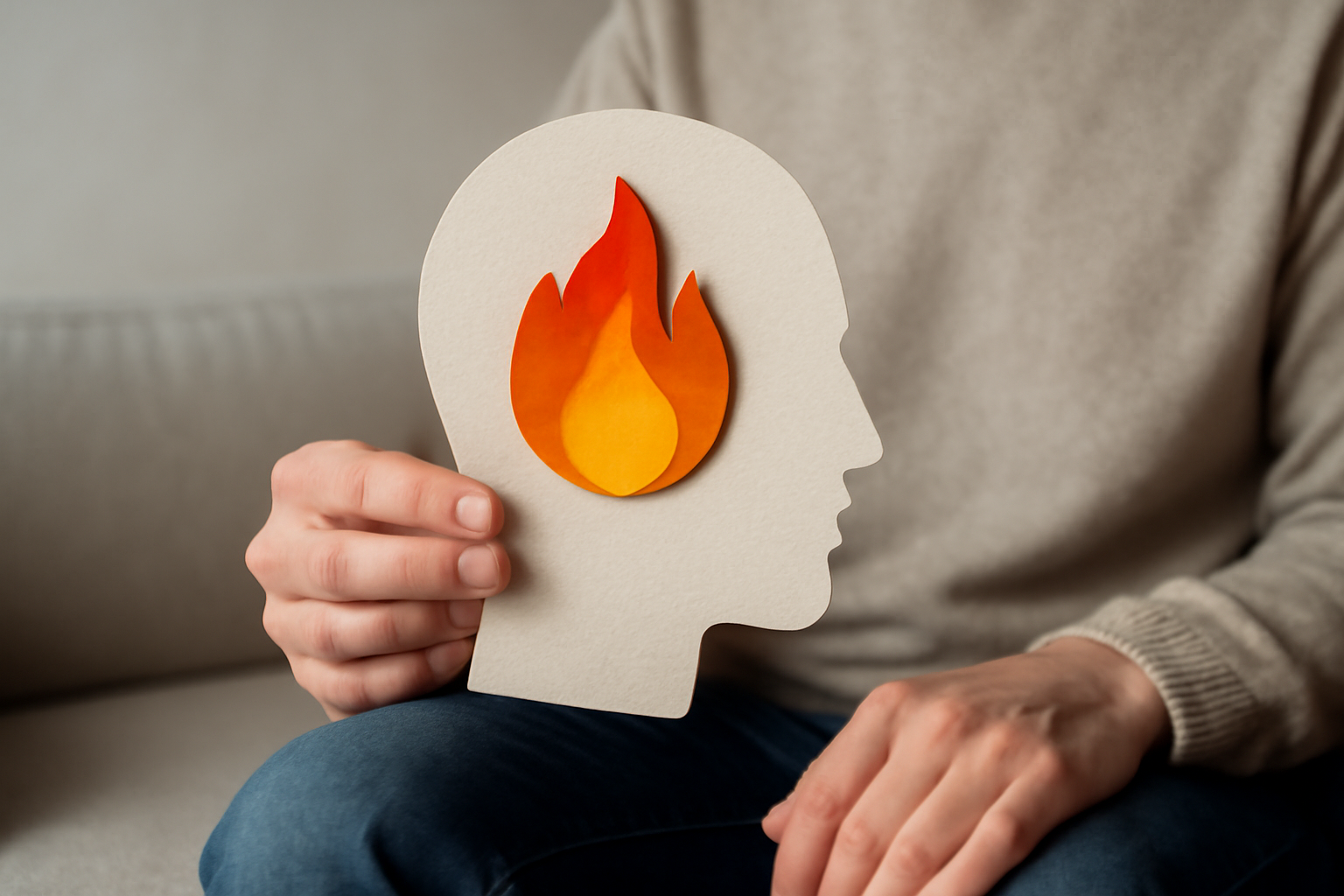
Therapy for nervous systems stuck in overdrive means learning strategies that calm the bodys alarm signals and expand your window of tolerance.
Learning to trust calm relationships involves recognizing safety cues, choosing steady, predictable interactions, and practicing
Therapy for conflict avoidance rooted in fear helps you understand why you back away from disagreements and how fear guides your reactions.
Healing after years of emotional self-suppression means learning to recognize, feel, and express what has long been kept quiet inside.
Therapy for people who feel “too much” is not about muting your intensity. It’s about learning to understand, regulate, and channel strong emotions.
Emotional healing without rehashing the past endlessly means learning to acknowledge and process difficult feelings in the present moment.
Resentment and guilt can sit in the background of daily life, draining energy, distorting perception, and shaping responses to others.
Learning to be present without vigilance means cultivating a neutral awareness of the here and now, softening attention and accepting experience.
Therapy for burnout that doesnt improve with rest means your exhaustion persists after taking time off, and a break isn't addressing stress.
Emotional safety doesn’t mean never feeling unsettled; it means having reliable ways to recognize, slow down, and respond to feelings.