
Therapy for chronic tension and jaw-clenching stress means working with both your body and your mind to reduce persistent jaw tightness, lower clenching and grinding habits, and address the stress and emotions that fuel the pattern. It’s about practical skills, professional guidance when needed, and small daily changes that can lead to lasting relief. The goal is to lessen pain, improve sleep, and restore ease in daily activities.
Many people cope with jaw tension and clenching without realizing it’s a common, treatable issue. You’re not alone, and the patterns you notice — morning jaw stiffness, frequent headaches, or neck and face muscle tightness — are signals that can be understood and addressed. Understanding how stress, posture, sleep, and learned muscle patterns interact can empower you to reduce discomfort and protect your jaw over the long term.
Key concepts to know
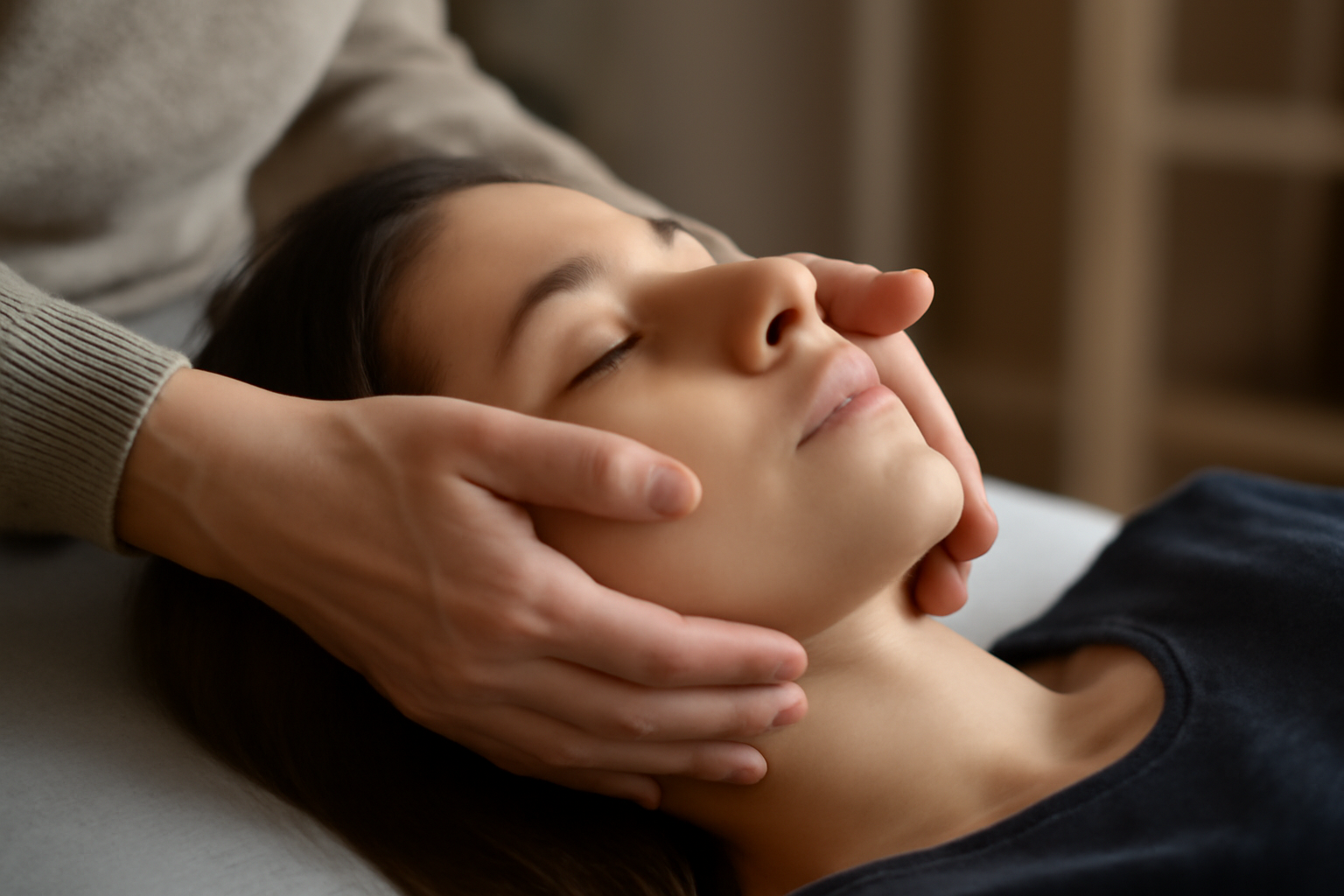
- A condition characterized by jaw clenching or grinding of the teeth, which can occur during sleep (sleep bruxism) or while awake. It ranges from mild to painful and can contribute to tooth wear, headaches, and jaw pain.
- TMJ and jaw muscles: The temporomandibular joints connect the jaw to the skull. Tension in the surrounding muscles can create a cycle of guarding and clenching that perpetuates discomfort.
- Stress and autonomic arousal: Stress activates the body’s fight-or-flight response, which can increase muscle tension in the jaw and face. Mindful stress management helps reduce this arousal over time.
- Awake vs. sleep bruxism: Some people clench or grind primarily during the day, others mainly at night, and some experience both. Each pattern may benefit from slightly different strategies.
- Behavioral and body approaches: Therapies and self-care techniques focus on changing habits, relaxing muscles, improving sleep, and retraining the nervous system’s responses to tension.
- Professional guidance: A dentist, orofacial pain specialist, or physical therapist can assess jaw function, identify contributing factors, and tailor a plan that may include exercises, devices, and therapy.
For a deeper overview of bruxism, you can explore the Mayo Clinic resource: Mayo Clinic: Bruxism.
You can also learn from professional organizations such as the American Academy of Orofacial Pain and credible health information from the National Institute of Dental and Craniofacial Research.
Practical applications you can use daily
- Try to notice when your teeth are touching or when your jaw muscles feel tight. Use this awareness as a cue to relax the jaw for 30–60 seconds several times a day.
- Place your tongue on the roof of your mouth behind your front teeth. Allow your teeth to rest apart and gently open your mouth about 2–3 millimeters. Hold for a few seconds, then slowly close. Repeat 5–10 times.
- Breathe in through the nose for 4–6 seconds, letting the abdomen rise, then exhale slowly through pursed lips for 6–8 seconds. Practice for 5–10 minutes daily, especially during moments of tension.
- Alternately tense and release muscle groups starting at the shoulders and neck, moving down to the jaw. This helps reset the nervous system and reduce overall muscle guarding.
- Keep a neutral head position when working at a computer. A screen at eye level and a supportive chair reduce forward head posture that can contribute to jaw and neck tension.
- Establish a calming pre-sleep routine, limit caffeine later in the day, and maintain a regular sleep schedule to improve restorative sleep and reduce nocturnal clenching.
- Avoid chewing gum, hard or chewy foods that strain the jaw, and frequent gum chewing. If stress triggers late-night clenching, consider a relaxing activity before bed instead of snacking or late meals.
Therapeutic approaches that can help
- Cognitive-behavioral therapy (CBT) and acceptance and commitment therapy (ACT) help reduce stress, reframe worry about pain, and support healthier coping habits. These approaches can lessen the automatic pull to clench in response to stress.
- Biofeedback teaches you to recognize and modulate physical responses like muscle tension. In orofacial therapy, therapists guide moves that retrain jaw muscles and improve coordination.
- Targeted exercises, manual therapy, and soft-tissue work can release tight muscles around the jaw, neck, and shoulders and improve jaw mobility.
- A custom night guard or splint can reduce tooth wear and provide a barrier during sleep. The right device should be fitted by a clinician who assesses your bite and jaw function. For some, guards are part of a broader plan rather than a sole solution.
- Short-term use of muscle relaxants or NSAIDs may be suggested in some cases. Botulinum toxin (Botox) injections into jaw muscles are considered for refractory, severe bruxism under professional supervision, with discussion of risks and benefits.
- If snoring or sleep apnea symptoms appear, a sleep study can identify treatable conditions that may drive or worsen clenching during sleep.
- Mindfulness meditation, gentle yoga or tai chi, and paced breathing support overall stress reduction and bodily awareness, which can translate into less jaw tension over time.
Benefits and important considerations
Potential benefits of a comprehensive approach include less facial and neck pain, fewer headaches, improved sleep quality, reduced tooth wear, and greater ease with daily activities like talking and eating. You may notice improved posture, better breath control, and a calmer response to stress as a byproduct of practicing these skills regularly.
Key considerations include the time and financial commitment of ongoing therapy, the need for a tailored plan that fits your bite and muscle function, and the importance of not relying on a single solution. Some people respond quickly to self-care and education, while others benefit from a combination of professional therapies and behavioral strategies. Insurance coverage and access to specialists can vary, so discuss options with a dentist, physician, or physical therapist.
When you might need professional guidance
Seek professional help if you experience persistent jaw pain, frequent headaches, jaw locking or limited mouth opening, rapidly worsening symptoms, swelling around the jaw, or if you notice signs of sleep-disordered breathing such as loud snoring or daytime sleepiness. An orofacial pain specialist, dentist, or physical therapist can evaluate bite function, muscle balance, and sleep-related factors to design a safe, effective plan. If you’re dealing with significant stress or anxiety, a mental health professional can support coping skills that also benefit jaw health.
Actionable steps you can take this week
- Keep a simple diary noting when tension or clenching happens, its intensity, possible triggers, and where you feel it (jaw, neck, temples).
- Do the gentle jaw opening/closing exercise and a brief 5-minute relaxation sequence twice daily, plus during reported moments of tension.
- Incorporate a 5–10 minute diaphragmatic breathing practice in the morning or before bed to lower overall arousal.
- Create a calming bedtime ritual, limit caffeine late in the day, and consider a breathable, comfortable pillow and sleeping position to support jaw and neck comfort.
- If a night guard is recommended, work with a clinician to ensure proper fit and use. Avoid DIY devices that could worsen the bite.
- Integrate gentle neck, shoulder, and back stretches to reduce overall muscle tension that can contribute to jaw clenching.
- If stress or anxiety feels overwhelming, explore CBT/ACT resources or a therapist who can tailor skills to your daily life.
- Schedule a dental or orofacial pain evaluation to rule out structural causes and to discuss a comprehensive treatment plan, including possible referrals to physical therapy or sleep medicine if warranted.
For readers seeking structured guidance, professional resources like the American Academy of Orofacial Pain offer evidence-based information and referrals. American Academy of Orofacial Pain and reputable health sources such as Mayo Clinic: Bruxism can provide starting points for understanding your symptoms and finding qualified care.