
Long-term stress can recalibrate the nervous system, keeping the body in a state of readiness that undermines rest, mood, and function. Nervous system repair after chronic stress means restoring autonomic balance, normalizing stress hormone patterns, and promoting neuroplastic changes that support resilience and wellbeing.
Introduction
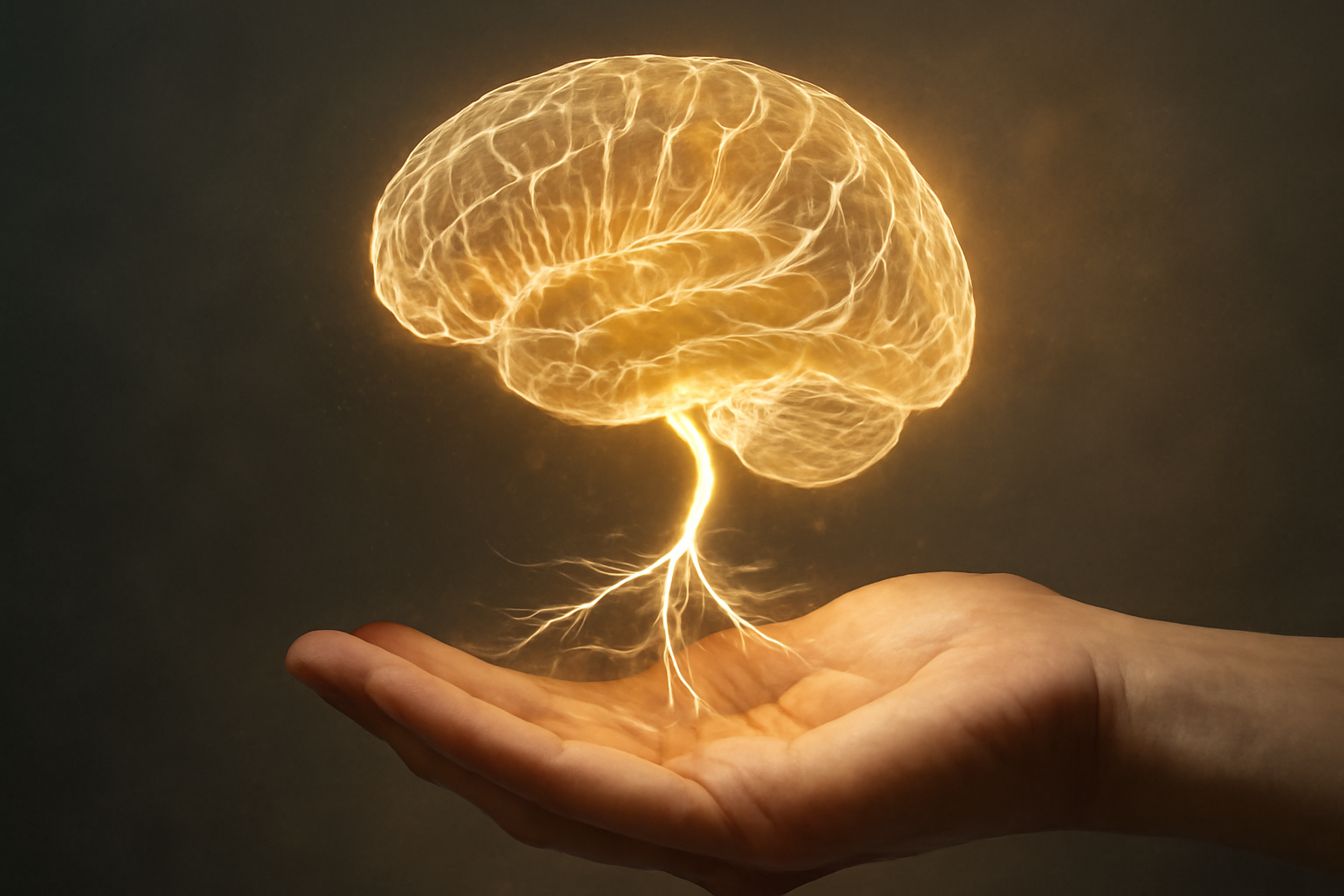
The mind and body are deeply interconnected, and the nervous system serves as the primary conduit between psychological experience and physical health. When stress becomes chronic, brain networks that detect threat, regulate emotion, and coordinate bodily responses can become dysregulated. This allostatic load — the cumulative wear and tear on the body’s systems — can influence sleep, digestion, immunity, mood, and cognitive performance. Recovery is possible because the brain and nervous system retain plasticity: with intentional strategies, neural circuits can recalibrate, autonomic balance can be restored, and the body’s stress response can recalibrate toward a more adaptive baseline.
Physiological foundations of nervous system repair after long-term stress
The biology of chronic stress and brain plasticity
Chronic stress engages the hypothalamic-pituitary-adrenal (HPA) axis, releasing cortisol and other stress mediators that shape brain circuits involved in attention, memory, and emotion regulation. Over time, these changes can strengthen fear conditioning and reduce cognitive flexibility. Neuroplasticity — the brain’s ability to reorganize itself — allows therapeutic experiences, rest, and healthy behaviors to reshape synaptic connections, enhance executive control, and create more flexible responses to stress.
Autonomic nervous system and vagal regulation
The autonomic nervous system (ANS) governs automatic functions. It includes the sympathetic branch (mobilizing energy for action) and the parasympathetic branch (rest-and-digest). Sustained sympathetic dominance and reduced vagal tone (the “calm-brain” influence of the parasympathetic system via the vagus nerve) can perpetuate hyperarousal. Interventions that strengthen vagal regulation support quicker shifts from stress to balance, improving heart rate variability and promoting restorative processes.
Inflammation and endocrine signaling
Prolonged stress can increase inflammatory markers and dysregulate endocrine signaling, contributing to pain sensitivity, fatigue, mood disturbances, and impaired metabolism. Holistic repair strategies aim to lower systemic inflammation and restore hormonal rhythms, which in turn support brain function and emotional well-being.
Psychological foundations of nervous system repair after long-term stress
Emotion regulation and cognitive processing
Adaptive processing of difficult experiences, reappraisal of threat, and enhanced emotion regulation reduce the load on stress-response systems. Therapies that cultivate mindfulness, acceptance, and cognitive flexibility help reframe stressors, diminishing their automatic physiological impact.
Trauma, resilience, and neuropsychological adaptation
Chronic stress and traumatic exposure can reshape neural networks related to fear, attention, and social connectedness. Building resilience involves safe exposure to stress in a controlled way, strengthening social support, and developing strategies to tolerate distress while maintaining functioning. This psychological work supports the brain’s capacity to reorganize and recover balance.
Holistic and integrative approaches to support nervous system repair
Lifestyle foundations: sleep, nutrition, and movement
Quality sleep restores memory, emotional regulation, and immune function; consistent routines help regulate circadian rhythms. A balanced diet that prioritizes anti-inflammatory nutrients, adequate protein, fiber, and hydration supports neurochemical stability. Regular, moderate physical activity improves autonomic balance, promotes neurotrophic factors, and enhances mood and sleep quality.
Mind-body practices: mindfulness, meditation, and breathwork
Mindfulness-based practices cultivate nonjudgmental awareness of bodily states, reducing reactivity to stress. Slow, diaphragmatic breathing and paced respiration can immediately shift the ANS toward a calmer state and improve heart rate variability. Regular practice supports lasting changes in brain networks involved in attention and emotion regulation.
Somatic therapies and psychotherapeutic approaches
Somatic therapies (such as somatic experiencing or somatic trauma therapy) focus on bodily sensations to resolve dysregulated arousal and trauma-related responses. Evidence supports the effectiveness of trauma-focused psychotherapies (e.g., EMDR, CBT with a trauma lens, ACT) in improving post-stressor functioning and reducing physiological hyperarousal.
Movement-based and energy-based modalities
Yoga, tai chi, qi gong, and gentle strength training promote autonomic balance and nervous system resilience through coordinated breath, posture, and mindful movement. Acupuncture and massage may reduce muscle tension, inflammation, and perceived stress, contributing to an overall sense of balance.
Neurofeedback, biofeedback, and technology-assisted care
Neurofeedback and heart-rate variability biofeedback provide real-time information about physiological states, helping individuals learn to shift toward a calmer, more regulated nervous system. When integrated with psychotherapeutic work, these tools can accelerate progress.
Integrated care and pharmacological considerations
For some individuals, medications may be useful to manage symptoms such as anxiety, sleep disruption, or mood disturbance, especially when symptoms are severe or persistent. Medication is typically most effective when combined with psychotherapy and lifestyle changes and is coordinated by a qualified clinician. Always discuss risks, benefits, and interactions with your healthcare team.
What to expect from various treatment modalities
- Mindfulness and meditation: reductions in perceived stress, improved sleep, and modest improvements in emotional regulation within 4–8 weeks; stronger long-term effects with ongoing practice.
- Breathwork and vagal-toning exercises: quick short-term shifts to a calmer physiology, with cumulative benefits over weeks to months.
- CBT and trauma-focused therapies: targeted improvements in anxiety, rumination, and avoidance behaviors; typical courses range from 6–20 sessions depending on complexity and pace.
- Somatic therapies (e.g., EMDR, somatic experiencing): targeted processing of bodily memories and arousal patterns; often requires several sessions for meaningful change and maintenance of gains.
- Movement therapies (yoga, tai chi): sustained improvements in sleep, mood, and autonomic balance; benefits accumulate with consistent practice over months.
- Neurofeedback and biofeedback: gradual improvements in regulator skills; many clients notice benefits within 8–12 weeks of regular sessions.
- Nutrition and sleep interventions: foundational changes that support all other modalities; improvements can appear within weeks and compound over time.
Healing process and timeline
The repair of the nervous system after long-term stress typically unfolds in stages. In the initial weeks, individuals often notice improved sleep, reduced daytime fatigue, and a sense that stressors feel more manageable. Over 2–3 months, emotional regulation and cognitive flexibility frequently improve, along with better autonomic balance and mood. From 6–12 months, deeper neuroplastic changes and sustained behavioral shifts may consolidate, leading to durable resilience and a more robust baseline functioning. Keep in mind that timelines vary based on baseline health, the intensity and duration of stress, and consistency with an integrated care plan. Small, steady gains are meaningful and can compound over time.
How to find qualified practitioners
- Seek professionals who are licensed and trauma-informed. Look for credentials such as licensed clinical social worker (LCSW), licensed professional counselor (LPC), psychologist (PhD/PsyD), or psychiatrist (MD).
- Consider specialists in somatic therapies (e.g., Somatic Experiencing, EMDR) and those who offer neurofeedback or biofeedback. Ask about training, supervision, and treatment plans.
- Inquire about integrative or holistic medicine practitioners who collaborate with mental health professionals and primary care providers.
- Request a clear plan that includes goals, pacing, safety considerations, and coordination with other care providers.
- Check for patient reviews, before/after case examples, and whether the practitioner accepts your insurance or offers transparent pricing.
Considerations for integrating these approaches with other care
- Coordinate with your primary care physician or psychiatrist to ensure compatible treatment plans and to review medications that may affect sleep, mood, or energy levels.
- Be transparent about all therapies you’re using, including supplements and alternative modalities, to avoid interactions or contraindications.
- Discuss safety considerations for specific conditions (for example, certain breathwork techniques may not be appropriate for individuals with uncontrolled epilepsy or severe cardiopulmonary issues).
- Set realistic expectations and avoid assuming a single modality is a universal cure; an integrated approach often yields the best outcomes.
Resources and next steps
Learning more and connecting with qualified practitioners can help you design an personalized plan. Consider exploring reputable resources for foundational information and guidance on finding trauma-informed care:
When you’re ready, speak with a licensed professional who can help tailor a plan that respects your medical history and personal goals. If you’re unsure where to start, your primary care clinician can help with referrals and coordination across mental health, sleep, nutrition, and physical therapy supports. Taking small steps today — such as prioritizing sleep, adding a brief daily mindfulness practice, and incorporating gentle movement — can set the stage for meaningful nervous system repair over time.
⚠️ This content is for informational purposes only and is not a substitute for professional medical advice, diagnosis, or treatment. Always consult a licensed physician, psychiatrist, psychologist, or other qualified healthcare professional before making decisions about medications, mental health treatment, or alternative and holistic treatment.
Page Contents
- Introduction
- Physiological foundations of nervous system repair after long-term stress
- Psychological foundations of nervous system repair after long-term stress
- Holistic and integrative approaches to support nervous system repair
- Lifestyle foundations: sleep, nutrition, and movement
- Mind-body practices: mindfulness, meditation, and breathwork
- Somatic therapies and psychotherapeutic approaches
- Movement-based and energy-based modalities
- Neurofeedback, biofeedback, and technology-assisted care
- Integrated care and pharmacological considerations
- What to expect from various treatment modalities
- Healing process and timeline
- How to find qualified practitioners
- Considerations for integrating these approaches with other care
- Resources and next steps