
Emotional burnout that doesn’t look like burnout is a quiet, persistent form of emotional exhaustion that hides behind everyday moods and routines. It isn’t always obvious as the classic “burnout” picture, but it slowly erodes motivation, joy, and daily functioning. Recognizing this hidden form matters because early understanding can prompt timely support and protect long-term well-being.
Introduction
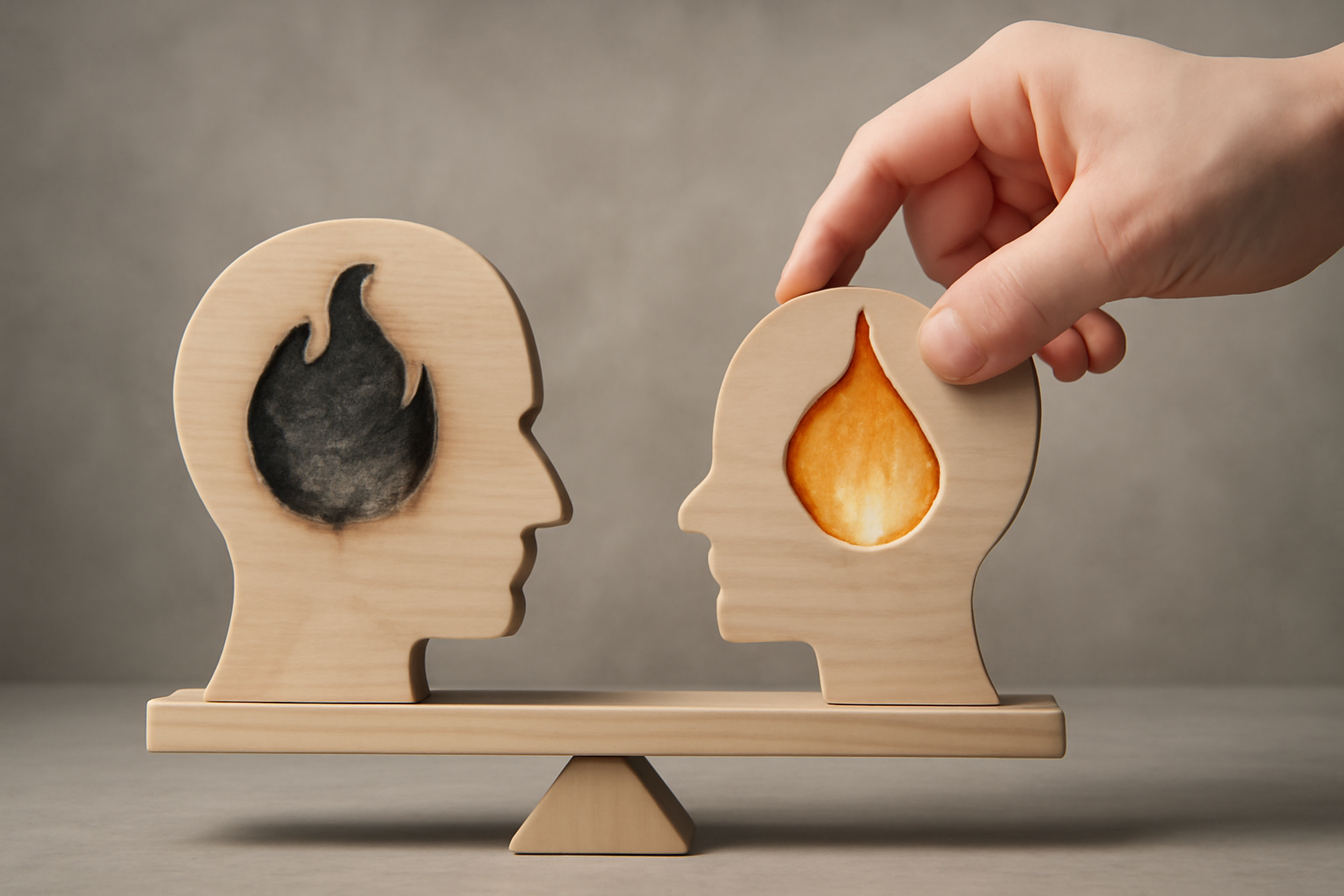
Many people assume burnout is a dramatic drop in energy or an outright collapse of interest. In reality, some experiences show up as subtle shifts — numbness, detachment, or a creeping sense that even familiar tasks require more effort than they used to. This article is about that quieter version of emotional burnout: how it shows up, why it matters, and what you can do about it.
As you read, remember that seeking information is a strength, not a sign of weakness. It signals you’re paying attention to your well-being and actively looking for healthier patterns. If you’re supporting someone else, this guidance can help you notice changes with compassion and respond in practical, supportive ways.
What it looks like in daily life
- Showing up to work or school but feeling emotionally distant, as if your energy is on standby rather than flowing freely.
- Going through routines on autopilot, with little interest in activities that once mattered.
- Masking fatigue with quick fixes (extra caffeine, sugar, or late-night scrolling) that don’t restore stamina.
- Replacing authentic connection with surface-level interactions to avoid emotional labor.
- Relying on perfectionism or overcompensation to keep others from seeing you struggle.
- Struggling with small decisions, concentration, or follow-through, even on tasks you once handled easily.
- Experience of irritability, moodiness, or a low tolerance for stress that otherwise wouldn’t bother you.
- Physical cues such as headaches, muscle tension, stomach upset, or unsettled sleep that aren’t explained by a single cause.
These patterns can blend with typical life stress, but when they persist across weeks or months and cross multiple areas of life, they may reflect a hidden burnout rather than a temporary rough patch.
Common signs and manifestations
- Cognitive: slowed thinking, forgetfulness, difficulty concentrating, trouble making decisions.
- Emotional: numbness, detachment, diminished empathy, irritability, mood swings, diminished sense of meaning or purpose.
- Behavioral: withdrawal from social interactions, avoidance of challenging tasks, delegating responsibility to others, procrastination that isn’t about laziness but about overwhelm.
- Physical: persistent fatigue, sleep disturbances (insomnia or oversleeping), headaches, muscle tension, gut issues, appetite changes.
- Functional: reduced motivation to meet obligations, and a sense that effort doesn’t yield meaningful results, even after rest.
Because the fatigue is emotional rather than purely physical, friends, family, and coworkers may notice changes in energy or engagement before you notice them yourself. If you’re answering “yes” to several items above over a long period, it may be time to explore patterns more deeply.
When and why these patterns emerge
Hidden burnout often arises from chronic, unrelenting stress without adequate recovery. Contributing factors can include:
- Rising demands at work or caregiving roles, with little control or meaningful input into decisions.
- Blurry boundaries between work, home, and personal time, making it hard to “turn off” emotionally.
- Misalignment between personal values and daily responsibilities, leading to a sense of futility or cynicism.
- Limited social support or persistent isolation, which can drain emotional reserves over time.
- Poor sleep, unhealthy coping strategies (like avoidance or over-commitment), or concurrent life changes (loss, illness, or major transitions).
Patterns may emerge gradually as the body and mind adapt to ongoing stress. They can also flare during periods of transition, such as starting a new job, returning to work after illness, or navigating caregiving duties alongside personal needs. The key is that these experiences tend to persist beyond a single high-stress event and permeate multiple areas of life.
How it differs from typical experiences
- Duration: Normal stress tends to be situational and improves with rest; hidden burnout is more persistent and widespread across domains (work, relationships, self-care).
- Quality of energy: It’s not just physical tiredness; emotional numbness, reduced empathy, and a sense of emptiness are common.
- Response to rest and support: Short breaks or time off may offer only partial relief; rest may not fully restore engagement or motivation.
- Perception by others: The person may appear “fine” or carry on visibly, leading to misinterpretation as laziness or lack of effort.
- Impact on meaning and identity: The experience can erode sense of purpose, making tasks feel hollow even when they are important.
Understanding these distinctions can help you distinguish a hidden burnout from ordinary stress, temporary burnout, or other mental health concerns. If you’re unsure, consider tracking patterns over several weeks and noting context, intensity, and what seems to help or worsen symptoms.
When to seek professional help
Consider reaching out to a mental health professional if you notice:
- Symptoms persist for several weeks despite making small adjustments (e.g., improved sleep, boundary setting, lighter workloads).
- Emotional symptoms interfere with daily functioning — failing to meet basic obligations, harming relationships, or impairing work or school performance.
- There are thoughts of self-harm, or a sense that life lacks meaning or value.
- You’re experiencing severe withdrawal, intense mood changes, or physical symptoms that are new or worsening.
Tips for talking with a clinician: describe patterns in multiple settings (work, home), be upfront about how long they’ve lasted, and share what coping strategies have helped or backfired. A clinician can help determine whether burnout is primary or whether other issues (depression, anxiety, sleep disorders, medical conditions) are contributing.
If you’re in immediate danger or feel unable to keep yourself safe, seek urgent help by contacting local emergency services or a crisis line. In the United States, you can call or text 988 for the Suicide & Crisis Lifeline; in other countries, look up your local emergency resources.
Supportive strategies for managing hidden burnout
- Establish clear boundaries: define work hours, response expectations, and personal time. Communicate kindly but firmly when you need this space.
- Prioritize micro-breaks: short, regular pauses (even 1–2 minutes) to breathe, stretch, or reset can prevent emotional depletion.
- Rebalance commitments: review obligations and consider trimming tasks that drain energy or delegating responsibilities where possible.
- Enhance sleep and rhythm: keep a consistent sleep schedule, create a calming pre-sleep routine, and limit screens before bed.
- Build emotional awareness: name emotions as they arise, journal about difficult moments, and practice self-compassion for imperfect days.
- Develop coping strategies: explore evidence-based approaches like mindfulness, grounding exercises, or brief cognitive-behavioral techniques to reframe stressful thoughts.
- Engage in meaningful activities: reconnect with values-driven activities, even in small ways, to restore a sense of purpose.
- Strengthen social support: reach out to trusted friends or family, seek group or peer support, and allow others to help with practical needs.
- Consider professional help: therapy (e.g., cognitive-behavioral therapy, acceptance and commitment therapy) can provide structured skills and ongoing support; occupational health resources at work may offer counseling or coaching.
- Make practical changes at work or home: discuss workload, priorities, and realistic timelines with managers or household members; request flexible scheduling or temporary adjustments if needed.
- Limit digital load: set boundaries around email and social media, create tech-free times to recharge, and practice intentional information intake.
Every person’s path is different. Start with small, sustainable changes and expand as you learn what helps you most. If you’re unsure where to begin, consider a brief check-in with a clinician or coach who can tailor strategies to your situation.
Further reading and trusted resources
Learning more can support your understanding and decision-making. Here are a few reputable sources that discuss burnout, stress, and emotional well-being:
⚠️ This content is for informational purposes only and is not a substitute for professional medical advice, diagnosis, or treatment. Always consult a licensed physician, psychiatrist, psychologist, or other qualified healthcare professional before making decisions about medications, mental health treatment, or alternative and holistic treatment.
