
Understanding holistic nutritionists for mental health matters because food and lifestyle choices shape mood, energy, and resilience.
A holistic nutritionist treats nutrition as part of a wider system — sleep, stress, gut health, and social factors — and designs individualized strategies that support mental wellbeing in practical, sustainable ways.
What holistic nutritionists do
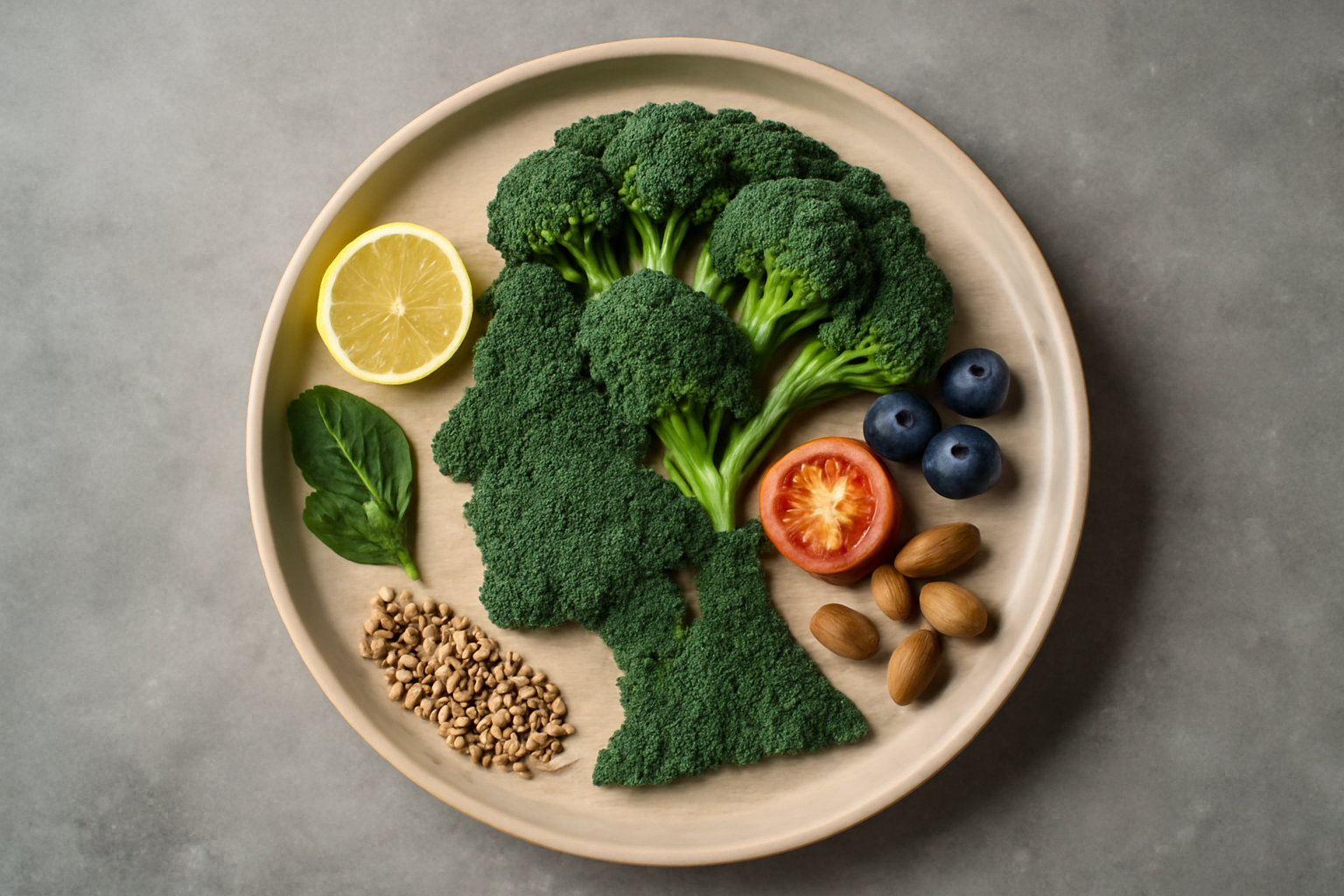
Holistic nutritionists take a person-centered approach to nutrition, meaning they look beyond calories to how eating fits into daily life. Their work often begins with a thorough intake that covers medical history, current medications, sleep patterns, stress levels, activity, social supports, and dietary habits. They may assess nutrient gaps and identify foods or patterns that could be amplifying mood symptoms or energy highs and crashes. The goal is not a one-size-fits-all plan, but a flexible roadmap that respects culture, budget, accessibility, and personal preferences.
Key activities commonly included in practice:
- Creating individualized nutrition plans aimed at stabilizing mood, supporting sleep, and sustaining energy.
- Addressing the gut-brain connection by optimizing fiber intake, fermented foods (when suitable), and digestive comfort.
- Identifying potential food sensitivities or intolerances that may influence symptoms and offering practical substitutions.
- Guiding gradual dietary changes to minimize stress and improve adherence.
- Collaborating with other health professionals when needed, such as medical doctors, therapists, or sleep specialists.
Many holistic practitioners also emphasize lifestyle factors alongside food — hydration, movement, sunlight exposure, social connection, and routines — that collectively support emotional balance. The emphasis is on sustainable shifts rather than quick fixes, with attention to how changes feel in real life and how they integrate with medical care.
Their approach to mental health through nutrition
A holistic nutritionist views mental health as multifactorial, in which nutrition plays a central, modifiable role. They often prioritize strategies that support the brain-gut axis, inflammation balance, and stable blood sugar — each of which can influence mood, focus, and stress resilience.
Core elements you may encounter:
- Balancing blood sugar through regular meals and balanced macronutrients to reduce mood fluctuations and irritability.
- Promoting anti-inflammatory eating patterns that emphasize colorful vegetables, omega-3-rich foods (like fatty fish or plant-based sources), and whole grains.
- Ensuring adequate intake of key nutrients linked to mental health, such as B vitamins, zinc, magnesium, iron, vitamin D, and omega-3 fatty acids, tailored to the individual’s needs.
- Supporting gut health with fiber, fermented foods (when appropriate), and cautious use of probiotics, recognizing that digestion and mood are interconnected.
- Encouraging mindful eating and responding to emotional cues around food without judgment, helping to reduce stress-related eating.
Practitioners also acknowledge that mental health concerns — anxiety, depression, trauma, or bipolar disorder — often require evidence-based therapies and, when appropriate, medications. Nutrition is presented as a complement to, not a replacement for, conventional care. In some cases, small, evidence-informed changes can enhance the effectiveness of therapy and medication by stabilizing energy, sleep, and overall wellbeing.
Training and qualifications
Training and credentials for holistic nutritionists vary by country and region. In many places, the term “nutritionist” is not legally regulated, so the depth of training can differ significantly from one practitioner to another. In contrast, Registered Dietitians (RDNs) or Registered Dietitian Nutritionists (RDNs) are credentialed health professionals with university degrees, supervised practice, and state licensure or board certification. When seeking support for mental health, many people look for RDNs or similarly credentialed professionals who also have a holistic or integrative mindset.
Common pathways and considerations:
- Formal health credentials: RDN/RDNs have standardized nutrition science education and clinical training, and they often specialize in clinical nutrition therapy.
- Holistic or integrative training: Some practitioners earn diplomas or certificates in holistic nutrition, nutritional coaching, or functional nutrition. These programs vary in rigor and scope, so it’s wise to review curriculum and supervision details.
- Continuing education: Look for ongoing training in areas relevant to mental health, such as nutrition for mood disorders, sleep support, gut health, and behavior change strategies.
- Licensing and regulations: Check your region’s requirements for advertising as a nutrition professional and whether the practitioner is licensed, certified, or credentialed by a reputable organization.
- Evidence-informed practice: Ask about how the practitioner stays current with research, how they apply it to individual plans, and how they monitor outcomes.
If you’re unsure about credentials, consider asking potential practitioners direct questions about their training, approaches, and collaboration with medical or mental health professionals. A transparent practitioner will welcome these questions and explain how they tailor care to your unique situation.
What to expect from working with a holistic nutritionist
Working with a holistic nutritionist typically involves an initial comprehensive assessment followed by a personalized plan, with ongoing check-ins to adjust as needed. Here’s what you can generally expect:
- Initial consultation: A comprehensive discussion of mood symptoms, sleep, energy, stress, medical history, current medications, and daily eating patterns. Expect questions about routines, social supports, and goals.
- Personalized plan: A nutrition strategy aligned with your mental health goals, preferences, and lifestyle. This may include meal timing, grocery lists, recipe ideas, and strategies for managing cravings or emotional eating.
- Strategy for implementation: Step-by-step, realistic changes delivered in phases to support adherence and minimize overwhelm.
- Coordination of care: If you’re seeing a therapist, psychiatrist, or primary care clinician, your nutritionist may coordinate with them to ensure compatibility and to share relevant information with consent.
- Follow-up and adjustment: Regular follow-ups to assess mood, sleep, energy, digestion, and adherence. Plans evolve as your symptoms and life circumstances change.
- Safety and boundaries: Honest discussion about what is and isn’t appropriate to address, including medical conditions, medications, and any risks associated with supplements.
Practical considerations include appointment length (often 60–90 minutes for initial visits), frequency of sessions (biweekly to monthly), accessibility (in-person or telehealth), pricing, and whether the practitioner can provide remote guidance if you travel or have a tight schedule.
How nutrition counseling supports mental health
Nutrition counseling can support mental health through several overlapping mechanisms, helping to enhance overall treatment outcomes when used alongside therapy and, when needed, medications. The impact often comes from creating a stable physiological environment that supports brain function, emotional regulation, and resilience.
- Stabilizing energy and mood: Regular, balanced meals help prevent energy dips and mood swings that can undermine motivation and emotional regulation.
- Improving sleep quality: Nutritional strategies can reduce nighttime wakefulness and promote restorative sleep, which directly affects daytime mood and cognition.
- Reducing inflammation: Emphasizing whole foods, healthy fats, and a diverse plant-based fiber intake can lower inflammatory signals linked to mood symptoms for some people.
- Supporting neurochemistry: Adequate intake of essential nutrients supports the production and function of neurotransmitters involved in mood, motivation, and focus.
- Strengthening gut health: A balanced gut microbiome is increasingly recognized as a factor in mental health, with potential influences on anxiety and mood via the gut-brain axis.
- Enhancing coping strategies: Practicing mindful eating, meal planning, and problem-solving around food can transfer to broader stress management skills.
It’s important to view nutrition counseling as part of a comprehensive mental health plan. For many people, dietary changes can reduce symptoms and support therapy, but they are not a standalone treatment for complex mental health conditions. Open communication with your mental health team is essential to determine the right balance of approaches.
Finding qualified practitioners
Locating a qualified holistic nutritionist or a nutrition professional who aligns with your mental health goals involves thoughtful screening. Here are practical steps to help you find a good match:
- Check credentials and scope: Verify licenses or certifications, ask about training in mental health-focused nutrition, and confirm if they practice within ethical and evidence-informed boundaries.
- Ask about their approach: Inquire how they tailor plans, whether they consider sleep, stress, gut health, and medications, and how they measure progress.
- Look for collaboration: Prefer practitioners who communicate with or can coordinate with your therapist or physician, with your consent.
- Request a case example: A brief discussion of how they helped someone with mood symptoms or sleep concerns can illustrate their approach.
- Discuss logistics: Availability, cost, insurance compatibility if applicable, telehealth options, and cancellation policies.
To start your search, you can explore directories and professional associations, read practitioner bios, and seek referrals from your healthcare team or trusted friends. When you find a few candidates, consider scheduling a brief introduction session to gauge fit before committing to a longer program.
Integration with conventional mental health care
Holistic nutrition is most effective when integrated with conventional mental health care. Collaboration with psychiatrists, psychologists, primary care providers, and therapists helps ensure safety, especially for individuals taking medications or managing complex conditions.
- Communication: With your consent, the nutritionist can share updates with your care team to align goals and monitor interactions, such as nutrient supplementation that could affect medications.
- Complementary roles: Nutrition counseling can support therapy by reducing stress, improving sleep, and boosting energy, while psychotherapy addresses cognitive and emotional patterns driving mood symptoms.
- Safety and boundaries: If a practitioner recommends unusual supplements or extreme dietary restrictions, it’s important to discuss these with your prescribing clinician to avoid adverse effects or interactions.
- Holistic coordination: Some care teams operate within integrative medicine models, where nutrition, mental health care, and lifestyle support are coordinated under a shared framework.
Choosing to work with a holistic nutritionist can be a meaningful addition to your mental health toolkit when approached thoughtfully. Prioritize clear communication, realistic goals, and ongoing collaboration with your broader care team to support sustained improvements in mood, stress resilience, and daily functioning.
⚠️ This content is for informational purposes only and is not a substitute for professional medical advice, diagnosis, or treatment. Always consult a licensed physician, psychiatrist, psychologist, or other qualified healthcare professional before making decisions about medications, mental health treatment, or alternative and holistic treatment.
