
Understanding infrared sauna mental health benefits is important for making informed, safe choices about self-care. This non-pharmacologic approach may complement traditional care for some people, but it is not a substitute for evidence-based treatment. By exploring how infrared saunas work, what research says, and how to use them safely, you can decide if this option fits your mental health goals.
Infrared saunas use light energy to heat the body directly, rather than warming the air like traditional saunas. The result is a warm, relaxing experience that can be enjoyable and accessible for many. While early studies and role models suggest potential mood and stress-related benefits, effects vary and depend on factors such as session length, frequency, health status, and concurrent treatments.
What infrared saunas are
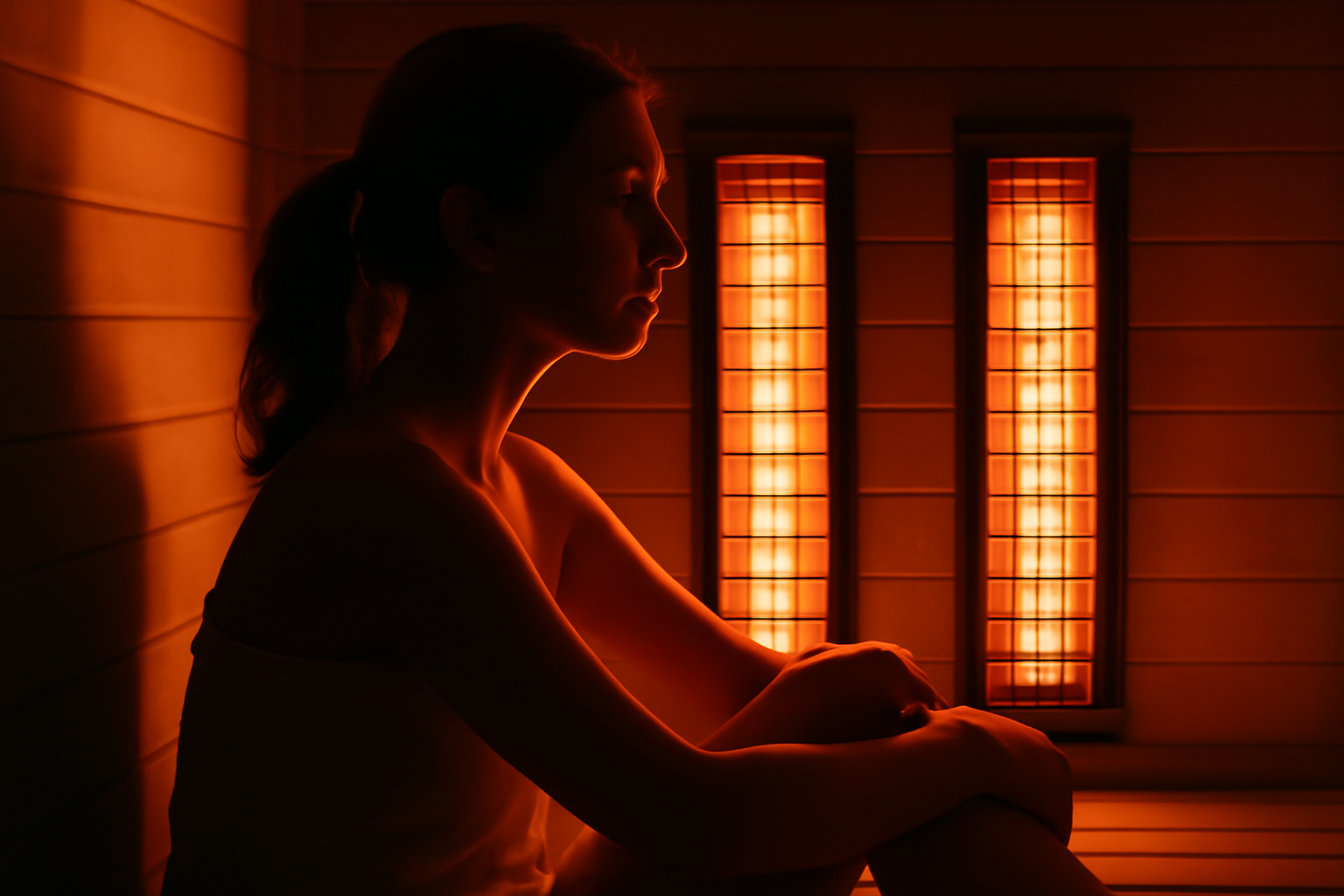
An infrared sauna is a small, enclosed space in which infrared heaters emit radiant light to warm the body. Unlike conventional steam saunas, infrared heat penetrates more deeply with lower ambient air temperatures. Saunas may use near-, mid-, or far-infrared wavelengths, sometimes in combination. Typical sessions last 10 to 30 minutes at a comfortable temperature range, and users often sweat as their core temperature rises.
Infrared therapy can be delivered in portable units or built into dedicated cabins. People sometimes choose infrared saunas for relaxation, muscle recovery, or stress relief, and may use them several times per week. If you have questions about how it might affect your mental health, talk with a clinician who knows your history.
Proposed mechanisms for mental health benefits
- The warmth and gentle physical relaxation can trigger the body’s stress-buffering systems, potentially promoting feelings of calm and improved mood.
- Heat exposure followed by cooling cues can help some people fall asleep more easily, which in turn supports daytime mood and cognitive functioning.
- Regular heat exposure may influence the balance between sympathetic and parasympathetic activity, supporting a sense of steadiness and reduced rumination for some users.
- Chronic, low-grade inflammation has been linked with certain mood symptoms. Some research suggests heat exposure can modestly reduce inflammatory markers in some people, which could support mental well-being over time.
- Heat shock proteins and related cellular pathways may influence neuroplasticity and resilience, offering theoretical benefits for mood regulation.
- Belief in a therapeutic effect and the relaxing context of a sauna session can contribute to perceived mood improvements.
It’s important to note that these mechanisms are plausible but not guaranteed for every individual. Effects on anxiety, depression, or stress are areas of ongoing research, and infrared sauna therapy should be viewed as a potential supplement rather than a standalone treatment.
Research evidence
The body of high-quality, large-scale clinical trials specifically examining infrared sauna use for mental health is still growing. Much of the existing research examines mood, stress, or well‑being as secondary outcomes in small samples or in healthy volunteers rather than in clinical populations.
- Some studies report short-term improvements in mood, relaxation, and perceived stress after infrared sauna sessions. The magnitude and duration of these effects vary and may depend on session characteristics.
- Evidence for treating clinical conditions like major depressive disorder or generalized anxiety disorder is limited and preliminary. Small studies may show promising signals, but results are not yet consistent or robust enough to establish efficacy.
- Variability in sauna type (near vs. far infrared), session length, temperature, participant health status, and study design makes it hard to draw firm conclusions. More rigorous randomized controlled trials with standardized protocols are needed.
If you are considering infrared sauna therapy specifically for mental health, discuss realistic expectations with your healthcare provider and review any ongoing treatments or medications you are using. Sauna sessions can be a pleasant component of a holistic plan, but they are not a replacement for evidence-based therapies like psychotherapy or prescription medications when those are needed.
What to expect from sauna therapy
A typical infrared sauna experience involves a brief pre-session preparation, a calm session, and a proper cooldown. Many people notice physical relaxation within minutes, with sweating and a warming sensation that can feel soothing. Psychological effects — such as reduced rumination or improved mood — may occur during or after the session, but responses differ.
- Start with 10–15 minutes if you are new, then gradually extend up to 20–30 minutes as tolerated.
- Common practice ranges from 2–4 sessions per week, though individual needs vary. Do not exceed advised durations if you have concerns about heat exposure.
- Drink water before and after, and allow a cool-down period after exiting the sauna.
- If you feel dizzy, lightheaded, nauseated, or excessively uncomfortable, exit the sauna and cool down.
- Some people notice temporary improvements in mood; others may feel tired or unsettled. Track your responses and adjust use accordingly.
Safety considerations
Safety is important when using infrared saunas, especially for mental health goals that may involve medications or medical conditions. Be mindful of hydration, heat tolerance, and any symptoms that arise during or after sessions.
- Begin hydration before the session and replenish afterward. Avoid alcohol before or during sauna use, as it can impair thermoregulation.
- If you have cardiovascular disease, kidney issues, low blood pressure, diabetes with autonomic concerns, or other chronic health problems, consult a clinician before starting sauna therapy.
- Some medications affect heart rate, blood pressure, or heat tolerance. Speak with your prescribing clinician about potential interactions.
- Pregnant individuals should consult a healthcare professional about sauna use, as overheating carries risks during pregnancy.
- Remove jewelry or metallic items, avoid wearing electronics that could overheat, and ensure the sauna is used in a well-ventilated, stable environment.
Contraindications
- Unstable cardiovascular conditions or recent cardiac events
- Severe dehydration or electrolyte disturbances
- Acute infections with fever or systemic illness
- Pregnancy without medical guidance
- Severe heat intolerance or history of heat-related illnesses
If you have any doubt about whether infrared sauna therapy is appropriate for you, talk with your doctor or mental health clinician before starting.
How to use saunas safely
- Shower and dry off. Set a comfortable temperature and duration based on prior experience, starting lower if you’re unsure.
- Stay aware of how you feel. Keep water nearby, and consider a buddy system if you’re new to sauna use.
- Sit or lie in a comfortable position. If you feel lightheaded, dizzy, or flushed beyond comfort, exit slowly and cool down.
- Cool down gradually, hydrate, and avoid abrupt plunges into cold environments. Consider a brief mindfulness or breathing exercise to anchor the calm you may feel.
- If you’re using sauna therapy to support mental health, schedule sessions as part of a broader routine that includes sleep hygiene, regular activity, and stress-reduction practices.
Integration with other mental health care
Infrared sauna therapy can be a complementary component of a broader mental health plan. It should not replace evidence-based treatments like psychotherapy, medications, or medical management when those are indicated.
- Share your wellness plan, including sauna use, so your care team can monitor for interactions with medications, sleep patterns, or symptom changes.
- Pair sauna sessions with established approaches such as cognitive-behavioral strategies, mindfulness, aerobic exercise, and sleep optimization for a holistic effect.
- Some individuals notice mood benefits quickly, while others may need a longer, steady routine. Adjust frequency and duration gradually based on how you respond.
- Seek medical advice if you experience new or worsening symptoms, chest pain, fainting, or persistent changes in mood after sauna sessions.
If you’re curious about the research landscape, you can explore scientific literature and reviews on sauna therapy and mental health through reputable medical databases. Always discuss new or ongoing use with your health care team.
⚠️ This content is for informational purposes only and is not a substitute for professional medical advice, diagnosis, or treatment. Always consult a licensed physician, psychiatrist, psychologist, or other qualified healthcare professional before making decisions about medications, mental health treatment, or alternative and holistic treatment.