
Cold water therapy can offer a practical, accessible avenue for mood regulation. By briefly exposing the body to cold water, some people report improved energy, alertness, and a lift in mood that complements other treatments for depressive symptoms.
This article explains the theoretical basis, what the research suggests, and how to approach cold exposure safely. It also covers what to expect, how to start, and how cold water therapy can fit with other therapies as part of a broader plan for mental health and well-being.
Theoretical foundations and research
Depression is understood as a multifactor condition involving neural signaling, inflammation, neuroplasticity, and autonomic regulation. Cold water exposure is thought to influence several of these areas. When the body encounters cold, the sympathetic nervous system is activated, and the hypothalamic–pituitary–adrenal (HPA) axis can respond with a surge of signaling chemicals. This acute stress response can increase arousal and energy and, over time, may promote adaptations in brain chemistry and circuit function.
In parallel, cold exposure can raise circulating endorphins and other neuromodulators, and it may enhance vagal tone — the balance between the sympathetic and parasympathetic systems. Some researchers also point to reductions in inflammatory signaling and changes in brain-derived neurotrophic factor (BDNF) that support neuroplasticity. While these mechanisms align with broader concepts about mood regulation and resilience, high-quality, large-scale trials are still needed to clarify who benefits most and under what conditions.
How cold exposure affects mood and brain chemistry
Acute cold exposure often produces a noticeable shift in sensation and mood. People commonly report an initial surge of alertness and focus as the body mobilizes resources to cope with the chilly stimulus. This response can translate into a temporary mood lift that persists beyond the immediate experience.
On a neurochemical level, cold exposure can increase the release of certain catecholamines (like norepinephrine) and endorphins, which contribute to heightened arousal and pain modulation. These changes may also support improved motivation, energy, and a sense of well-being. Over time, repeated exposure may foster more efficient autonomic regulation and potential neuroplastic changes, which are relevant to mood and cognitive function. It is important to emphasize that these effects are variable and best considered as part of an overall, individualized approach to treatment.
Approaches to cold water therapy
Cold water therapy can take several forms. The right approach depends on preference, safety, and how you respond to cold exposure. Common options include:
Cold showers
Brief exposure to cold water at the end of a warm shower is a popular entry point. Start with 15–30 seconds of cold water, gradually increasing the duration as comfort allows. Temperature is typically around 15–20°C (59–68°F) for many beginners, but any exposure that feels challenging yet controllable can be effective when done consistently.
Cold plunges and immersion
Cold plunges involve fully or partially submerging in cooler water, such as a tub, plunge pool, or natural body of water. Durations commonly range from 1–3 minutes for beginners, with gradual increases over weeks as tolerance builds. Temperatures are often in the 10–15°C (50–59°F) range or colder for experienced participants.
Winter swimming and other practices
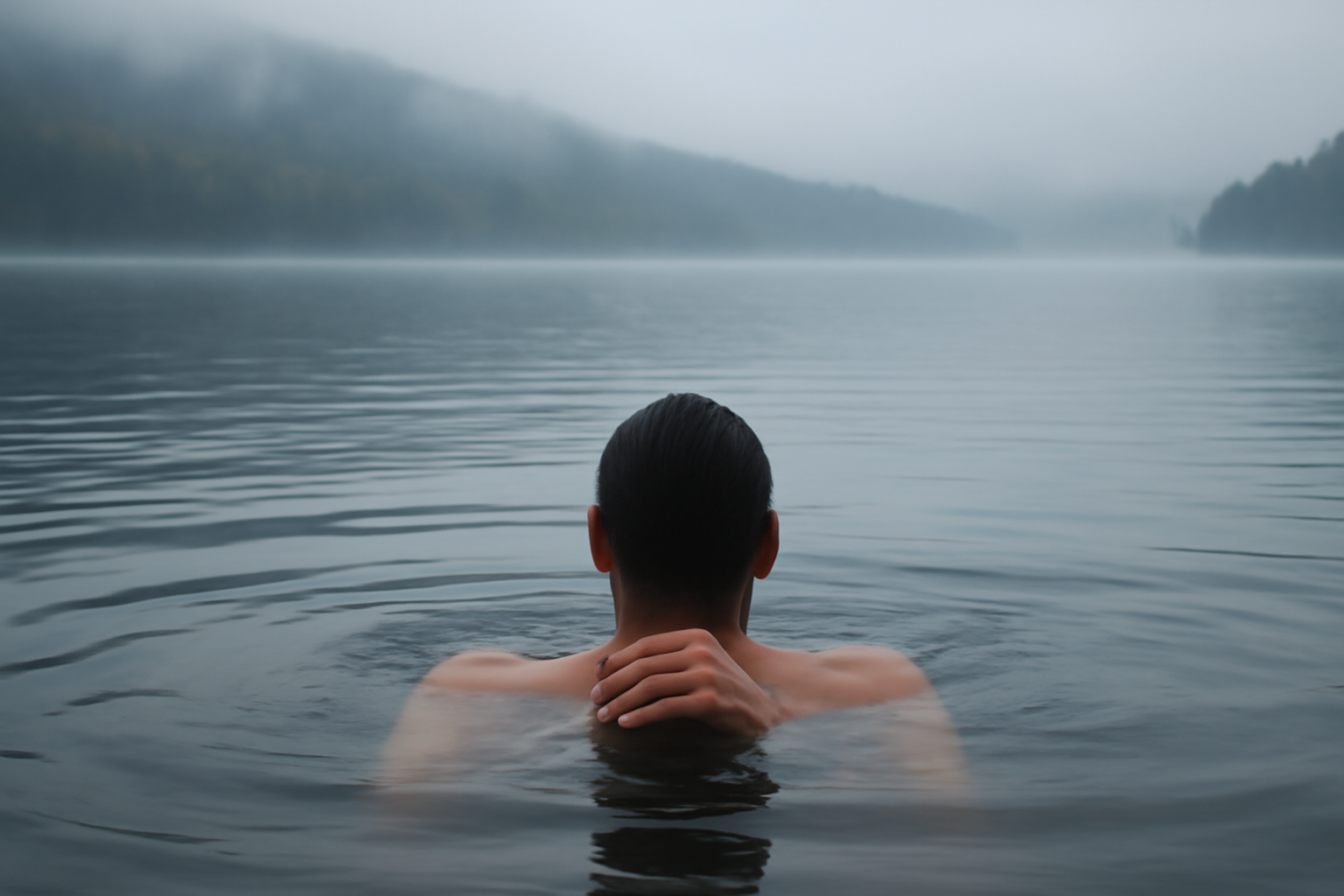
More extended engagement, such as winter swimming, can provide longer exposure and a different set of physiological responses. If you participate in outdoor cold-water activities, be mindful of weather, ice conditions, and personal safety. Always prioritize a gradual, progressive approach and never practice alone in remote locations.
Regardless of the method, a consistent routine, a focus on controlled breathing, and a safe environment are key. Beginners may benefit from starting with a warm-up and a cool-down, and from pairing cold exposure with light physical activity, such as stretching or a short Walk, to help regulate the body’s response.
What to expect
Expect a range of responses. Some days you may feel an immediate mood lift and greater energy, while other days the response may be more subtle. Common early experiences include heightened alertness, a brief period of breathful concentration, and a sense of accomplishment after completing a session.
Over several weeks, you may notice more steadiness in energy levels or improvements in sleep quality and daily functioning. It is normal to experience brief discomfort during the initial moments of exposure, which tends to lessen with practice. If you notice persistent dizziness, chest pain, or severe shortness of breath, stop and seek medical guidance.
Safety considerations
- Medical conditions: People with cardiovascular disease, uncontrolled high blood pressure, serious arrhythmias, Raynaud’s phenomenon, or other significant medical concerns should consult a clinician before starting cold exposure.
- Temperature and duration: Start with mild temperatures and short durations. Increase gradually only if you feel ready and safe.
- Never practice alone in unfamiliar or hazardous locations. Have a plan, supervision, and a safe exit from the water.
- Avoid during pregnancy unless advised by a healthcare provider.
- Be cautious after alcohol or sedating medications, which can impair judgment and safety.
- Stop immediately if you experience chest pain, dizziness, confusion, or severe numbness or tingling.
How to start safely
- Consult your healthcare provider to discuss cold exposure in the context of depression, medications, and any medical conditions.
- Choose a safe setting: a stable shower, tub, or pool with easy exit access. Have warm clothing and a dry towel ready.
- Begin gradually: begin with a short, controlled exposure (for example, 15–30 seconds) at a temperature you find challenging but manageable (often around 18–22°C/64–72°F in a shower).
- Use steady breathing: inhale deeply, exhale slowly, and avoid holding your breath. This helps manage the stress response and reduces the risk of hyperventilation.
- Progress slowly: if you tolerate the initial session well, increase duration or decrease temperature in small steps over weeks.
- Pair with a routine: schedule sessions at consistent times and pair with a brief period of light activity or mindfulness to anchor the experience.
- Monitor safety cues: if you feel faint, excessively nauseous, or disoriented, end the session and warm up gradually.
Integration with other treatments
Cold water therapy is best viewed as a supplementary approach alongside evidence-based treatments for depression, such as psychotherapy and, when indicated, pharmacotherapy. Use it as a complement to ongoing care, not a replacement for medical guidance. Discuss how to coordinate cold exposure with your therapist or physician, and consider documenting mood changes, sleep patterns, and energy levels to share with your care team.
Practical tips and sample routines
- Consistency matters: a few minutes on most days beats sporadic, lengthy sessions.
- Combine with a morning routine: a brief cold exposure can serve as a refreshing start to the day, followed by gentle activity and hydration.
- Pair with mindfulness or breathing: simple box breathing (inhale 4, hold 4, exhale 4, hold 4) during exposure can help regulate the body’s response.
- Track responses: note mood, energy, sleep, and any physical sensations to discuss with your clinician.
Sample beginner plan (4 weeks)
Week 1: 15–30 seconds of cold water at the end of a warm shower, 2–3 days per week. Temperature around 18–22°C. Week 2: 30–45 seconds, 3–4 days per week. Week 3: 45–60 seconds, add a second 20–40 second exposure on another day if desired. Week 4: 60–90 seconds or a short plunge in ~15°C water, 3–4 days per week. Always end with a warm, dry layer and safe, gradual warming if you feel cold too long.
Key takeaways
- Cold water therapy may support mood regulation for some individuals as a supplementary approach within a broader treatment plan.
- Approaches include cold showers, cold plunges, and winter swimming, all with gradual progression and safety as priorities.
- Expect varied responses; track mood and function to understand your own pattern and discuss with your clinician.
- Safety is essential: consult a healthcare professional if you have medical concerns, never practice alone in risky environments, and stop if adverse symptoms occur.
If you’re considering cold water therapy, use it as a part of a comprehensive plan that includes professional guidance, evidence-based therapies, and healthy lifestyle practices such as regular sleep, physical activity, and social support.
⚠️ This content is for informational purposes only and is not a substitute for professional medical advice, diagnosis, or treatment. Always consult a licensed physician, psychiatrist, psychologist, or other qualified healthcare professional before making decisions about medications, mental health treatment, or alternative and holistic treatment.