
Sound healing therapy uses vibrational sound to support physical and emotional well-being. By guiding rhythm, frequency, and resonance, it aims to reduce stress, improve relaxation, and help the body’s natural self-regulation processes work more effectively.
Through intentional listening, breath connection, and gentle exposure to tone and vibration, sessions can foster calm, focus, and a felt sense of balance. While not a replacement for medical care when it is needed, sound healing can complement traditional approaches and support a person’s overall well-being.
Theoretical foundation
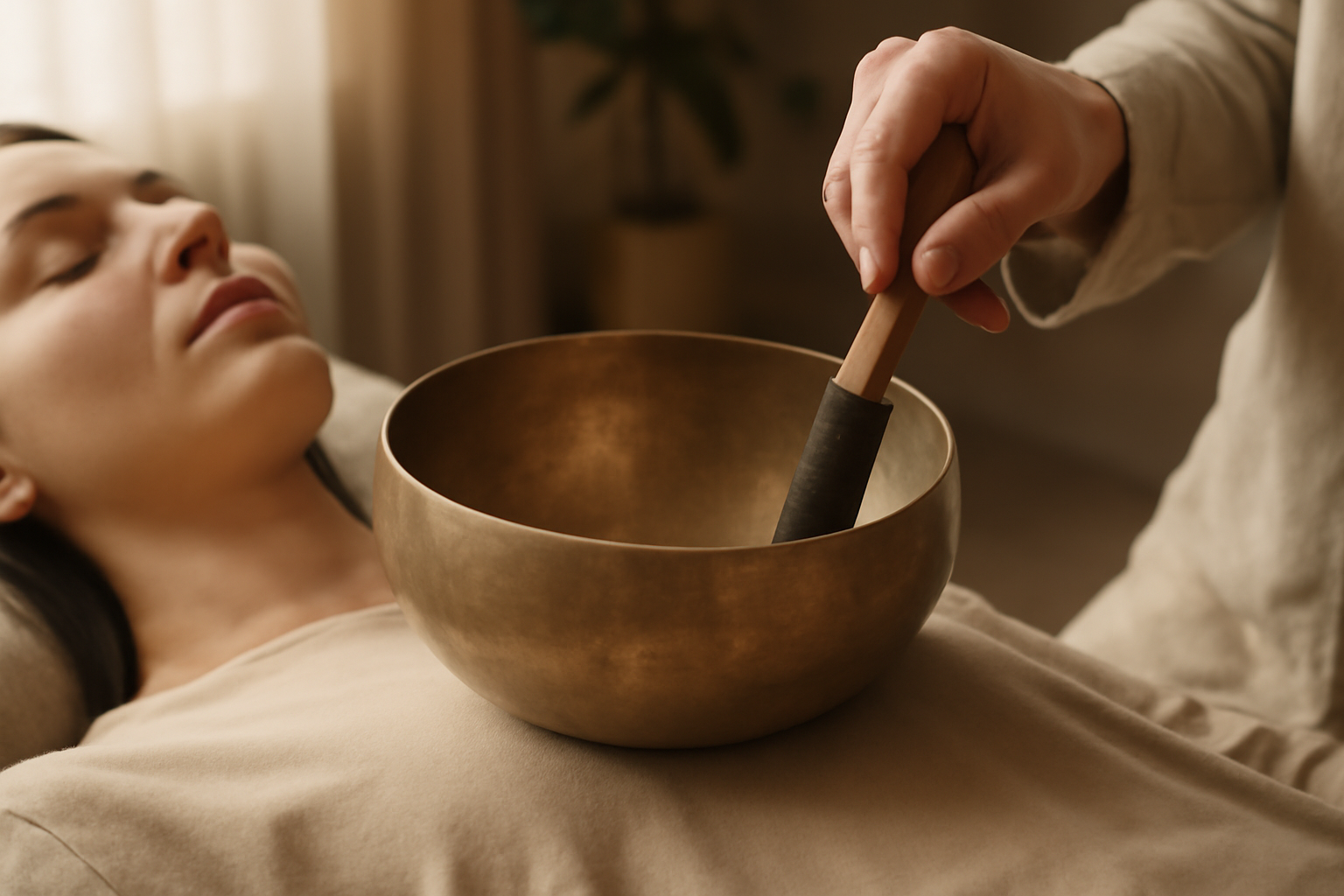
Sound interacts with living systems through vibration and resonance. When sound waves move through air and body tissues, they can influence breathing, heart rate, muscle tension, and brain activity. The idea of entrainment suggests that rhythmic sound can synchronize neural and physiological processes, helping the nervous system shift from a more aroused state toward a calmer state.
Several concepts explain how sound may support regulation and well-being. Polyvagal theory emphasizes the nervous system’s social and safety responses, proposing that soothing, predictable sensory input can enhance vagal tone and promote a sense of safety. In addition, the brain’s reward and attentional networks can respond to harmonious or meaningful sound, which can facilitate mindfulness, focus, and emotional processing. While scientific study continues to evolve, many people report subjective benefits such as reduced muscle tension, clearer thoughts, and a greater sense of connection to themselves and others.
For readers seeking additional background, resources on music and the brain provide foundational context. For example, the National Center for Complementary and Integrative Health offers accessible information on how music relates to the brain and mood Music and the Brain.
Common sound healing modalities
- Singing bowls and bells: Tibetan singing bowls, crystal bowls, and bells produce sustaining tones and overtones. Practitioners often use them to mark transitions, invite deep listening, and create a sense of spaciousness in the body.
- Tuning forks and vocal tones: Handheld forks tuned to specific frequencies or standardized pitches generate precise vibrations that can be aligned with breath and body awareness. Vocal toning and chanting are also common, harnessing the body’s own resonance.
- Drumming and rhythm: Hand drums, djembe, shakers, and rhythmic voice create grounding, release tension, and invite rhythmic entrainment. Live or recorded rhythms can guide tempo and breath cycles.
- Gongs and large resonant instruments: The broad, evolving overtones of gongs and other large instruments can produce a spacious sonic environment that supports deep listening and relaxation.
- Vibroacoustic therapy (VAT): Low-frequency sound is delivered through speakers, mats, or transducers placed on or near the body. VAT is used in some clinical and wellness settings to promote relaxation, pain relief, and sleep support.
- Voice work and mantra: Guided human voice, singing, and mantra repetition offer a dynamic, personal way to participate in the healing process and cultivate presence.
- Recorded soundscapes and binaural approaches: Carefully designed audio tracks or live listening experiences can provide a structured auditory environment. Note that some approaches rely on asymmetrical audio cues (binaural beats, isochronic tones) and should be used with awareness of individual response.
What to expect during sessions
Typical sessions range from 45 to 90 minutes, conducted in a quiet, comfortable space. A session commonly unfolds in stages: a brief intake to set goals and discuss any sensitivities; a warm-up with breath and gentle listening; active sound work using one or several modalities; a period of quiet listening and assimilation; and a closing reflection to integrate the experience.
During the session, you may notice physical responses (release of muscle tension, warmth, tingling), emotional shifts (calm, mood fluctuations, catharsis), and a sense of mental clarity or spaciousness. Some people prefer to move or lie down; others stay seated. It’s common to be invited to adjust the volume or switch instruments to find a comfortable pace and intensity.
Aftercare varies. Some clients feel refreshed, energized, or more settled for hours or days, while others experience a gentle, gradual shift in mood or sleep patterns. It’s helpful to drink water afterward, reflect in a journal, or observe how reactions unfold over the next day or two.
Conditions it may help
Sound healing is commonly used as a complementary approach to support well-being rather than a stand-alone treatment for medical conditions. People often report benefits in these areas:
- Anxiety and stress reduction, improved relaxation response, and enhanced mood
- Sleep quality and insomnia symptoms
- Chronic musculoskeletal tension and pain management (as part of a broader care plan)
- Mindfulness, focus, and emotional regulation
- Burnout recovery, resilience, and personal balance
Scientific evidence varies by modality and condition. For specific health concerns, discuss sound healing with your healthcare provider and seek qualified practitioners who clearly describe their methods, safety practices, and scope of practice. Always treat sound healing as a supportive practice alongside established medical or mental-health care.
The process and experience
Working with a practitioner typically begins with rapport-building and goal setting. You’ll be invited to share what you hope to experience, any sensory or medical considerations, and your preferred level of guidance. A session may include a short preparatory breathing exercise, followed by instrument play, vocalization, or listening to curated sounds. You may be guided to breathe in sync with a beat, to focus attention on internal sensations, or to simply listen without effort.
People describe a range of experiences, from deep relaxation and a sense of being held by sound to moments of heightened awareness or emotional release. The tempo, volume, and choice of instruments can be adjusted to support safety and comfort. If anything feels uncomfortable at any point, you’re encouraged to signal for a change in intensity or instrument selection.
Training and qualifications of practitioners
Paths into sound healing vary by region and professional background. Some practitioners are trained musicians or therapists who integrate sound work into their practice, while others specialize specifically in sound healing via workshops and certification programs. Important distinctions include:
- Music therapists (for example, MT-BC in the United States) have formal education in music therapy, supervised clinical practice, and certification. They work within established therapeutic frameworks and ethical guidelines.
- Certified sound healers or practitioners often complete workshops or certificate programs focused on techniques, safety, and client care. These programs emphasize hands-on work with instruments and guided listening.
- Professional standards vary by country; some clinicians align with medical or mental-health disciplines, while others practice independently in wellness settings.
What to look for when choosing a practitioner:
- Clear credentials or professional affiliation (e.g., MT-BC, licensed therapist, certified sound healer).
- Experience with your stated goals and any health considerations.
- Transparent safety practices, consent procedures, and a documented intake or assessment.
- A respectful approach to boundaries, confidentiality, and informed consent.
- Opportunities to discuss expectations, session length, cost, and scheduling.
If you’re seeking evidence-based treatment, consider consulting a licensed professional in music therapy or a healthcare provider who can integrate sound-based approaches into a comprehensive care plan. Resources like the American Music Therapy Association provide information on professional standards and practice American Music Therapy Association.
Considerations for those interested
- Health and safety: Share medical history, medications, and any sensory sensitivities (e.g., light or sound sensitivity, migraines). If you have a seizure disorder or a serious psychiatric condition, discuss suitability with a clinician before trying sound-based therapies.
- Hearing and comfort: Start with lower volumes and shorter sessions. If you wear hearing aids or have ear conditions, inform the practitioner so they can adapt techniques.
- Pregnancy and special populations: Some adults respond well to sound healing during pregnancy or with specific health considerations, but discuss with your healthcare provider first and work with a qualified practitioner.
- Goals and expectations: Clarify whether you seek relaxation, emotional processing, sleep support, or stress management. Sound healing is often most effective as part of a broader self-care plan.
- Accessibility and logistics: Inquire about session formats (in-person or online listening experiences), equipment used, and whether accommodations can be made for mobility or seating preferences.
- Cost and frequency: Consider trial sessions to assess fit, then discuss a sustainable plan. Some people benefit from a regular monthly format, while others prefer occasional tune-ups during stressful periods.
Exploring sound healing can be a meaningful addition to your wellness toolbox. If you choose to pursue it, approach it with curiosity, clear communication, and a focus on safety and personal comfort. For those curious to learn more about related therapeutic fields, many practitioners publish case studies and practical guides that illustrate how sound can support well-being in everyday life. Always prioritize working with qualified professionals and integrate any complementary practice within your broader health plan.
⚠️ This content is for informational purposes only and is not a substitute for professional medical advice, diagnosis, or treatment. Always consult a licensed physician, psychiatrist, psychologist, or other qualified healthcare professional before making decisions about medications, mental health treatment, or alternative and holistic treatment.