
CBD oil is garnering attention as a potential option for anxiety and depression, but understanding its benefits, limits, and safety is essential before trying it. This introduction explains why getting informed matters, including how CBD works, what research shows, and how to use it responsibly.
For many people, anxiety and mood challenges are ongoing and complex. CBD is not a magic cure, and product quality, dosing, and interactions can influence outcomes. This post provides a balanced, accessible overview to help you make informed decisions in conversation with health professionals.
What CBD is
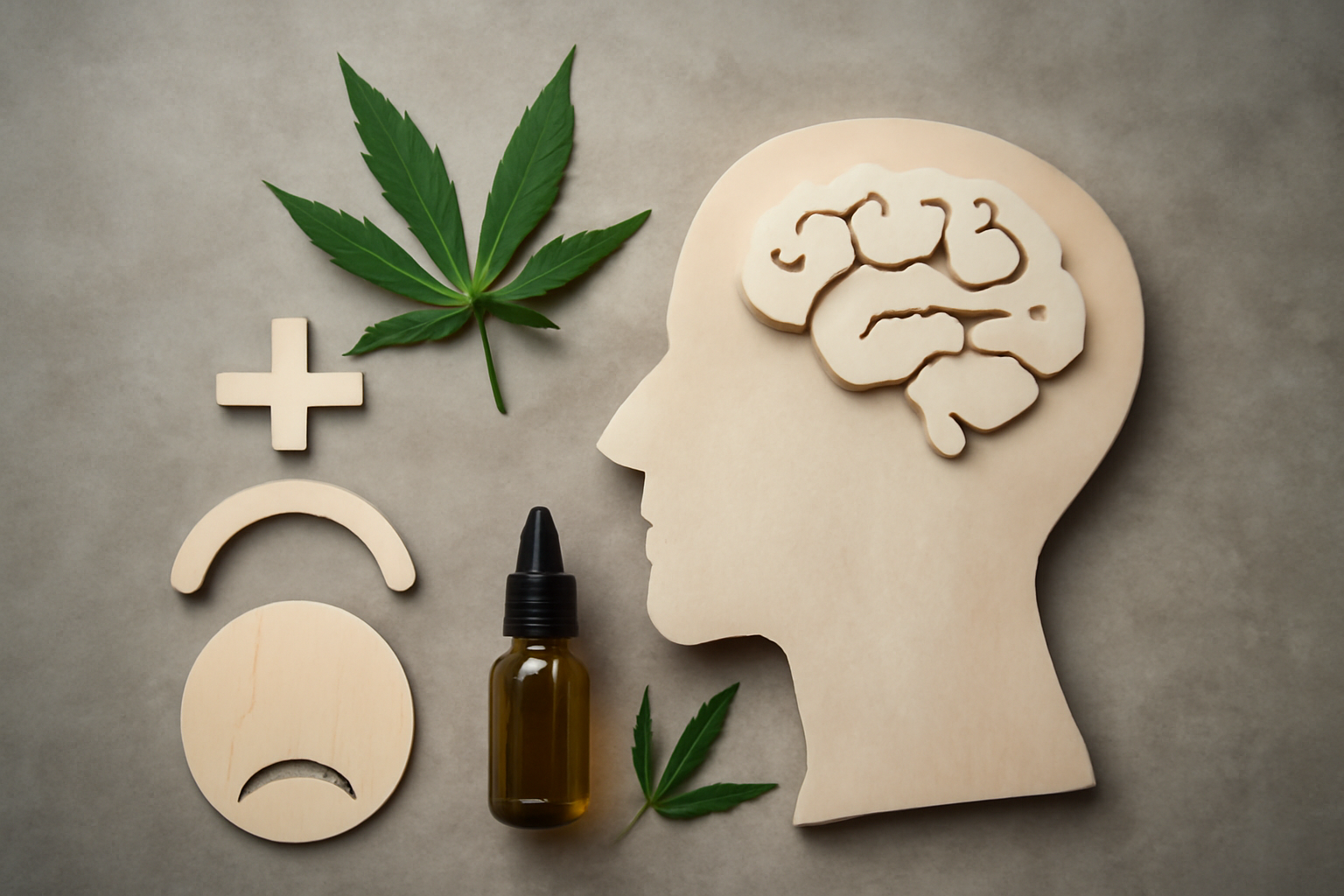
CBD, or cannabidiol, is a chemical compound found in cannabis plants. Unlike its relative THC, CBD is not generally intoxicating at typical doses and does not produce a “high.” CBD products come from hemp (which contains 0.3% or less THC by dry weight) or other cannabis sources. There are different forms available:
- Full-spectrum products contain a range of cannabinoids, terpenes, and trace amounts of THC.
- Broad-spectrum products remove most or all THC but keep other cannabinoids and terpenes.
- CBD isolate is pure CBD with all other plant compounds removed.
When choosing a product, it’s important to know that not all CBD products are created equal. Label accuracy, cannabinoid content, and the presence of pesticides or heavy metals can vary between brands. If you’re avoiding THC entirely, you’ll want to choose a broad-spectrum or isolate product and confirm the product’s COA (certificate of analysis) from an independent lab.
Current research evidence
Research on CBD and anxiety or depression is growing, but it remains incomplete and sometimes inconclusive. For anxiety, several small randomized trials and observational studies suggest potential benefits for certain people, especially with specific anxiety disorders or under controlled conditions. For depression, the strongest evidence is far less robust, and CBD is not approved as a treatment for major depressive disorder.
What the science generally shows:
- Some studies report reduced anxiety symptoms with CBD, including in social anxiety scenarios, but sample sizes are small and results vary by dose, formulation, and population.
- Evidence for depression is limited and inconsistent. Some studies note mood improvements in certain contexts, but CBD is not established as a standalone therapy for depression.
- Most research investigates single-dose experiments or short-term administration. Long-term safety and effectiveness require more data.
Key takeaways: CBD is a promising area of study, but it is not a substitute for evidence-based treatments, and results differ across individuals. For an overview of what researchers currently know, you can explore summaries from reputable health organizations such as the National Institute on Drug Abuse and allied public health resources.
Helpful primers and consumer information can be found here: NCCIH: Cannabis and Cannabinoids.
How CBD may work in the brain
The exact mechanisms are still being studied, but several biological targets are commonly discussed:
- Endocannabinoid system: CBD appears to interact with cannabinoid receptors (CB1 and CB2) indirectly and may influence the signaling of endocannabinoids like anandamide, which can affect mood and stress responses.
- Serotonin signaling: CBD may modulate serotonin receptors, particularly 5-HT1A, which plays a role in anxiety and mood regulation.
- Neuroinflammation and neuroplasticity: Some evidence points to anti-inflammatory effects and potential support for brain plasticity, which can be relevant to mood disorders.
- Other targets: CBD can interact with various non-cannabinoid receptors and ion channels (e.g., TRPV1), contributing to a wide range of physiological effects.
Because CBD acts on multiple targets, individual responses vary. It’s also important to remember that most mechanistic work is preclinical or early-stage human research; definitive, large-scale results are still needed.
Legal status and regulation
In the United States, hemp-derived CBD products containing 0.3% or less THC by dry weight are federally legal, but state laws differ and can add extra restrictions. In many other countries, CBD legality depends on the source (hemp versus other cannabis) and local regulations. It’s essential to check your local laws and to use products from reputable brands that provide clear labeling and safety testing.
Because CBD products are not tightly regulated as medicines in many places, quality and contents can vary. The FDA does not approve CBD as a general dietary supplement or over-the-counter medicine, and it has cautioned consumers about safety and labeling concerns. For consumer guidance, see:
- FDA: What You Need to Know About Federal Cannabis with 0 THC and CBD
- Mayo Clinic overview of CBD oil
- NCCIH: Cannabis and Cannabinoids
- WHO fact sheet on cannabidiol (CBD)
Dosing considerations and product choice
There is no one-size-fits-all dose for anxiety or depression. Dosing depends on the product’s concentration, formulation, and an individual’s body weight, metabolism, and prior exposure to cannabinoids. Practical guidance includes:
- Start low and go slow. If you choose to try CBD, begin with a low dose (for example, 5–10 mg per day) and increase gradually after several days if no adverse effects are noticed.
- Standard retail products vary widely in strength. A common range is 5–25 mg per dose, but some research uses higher doses (e.g., 300 mg) in controlled settings. OTC products marketed for anxiety or sleep are not equivalently studied to prescription medicines.
- Consider formulation and bioavailability. Oils/tinctures taken under the tongue may have different absorption than capsules or gummies. Bioavailability can also be influenced by meals, especially high-fat meals.
- Consistency matters. Effects may take days to weeks to become noticeable, and some people may never notice a clear benefit.
- Always tell your healthcare provider about all medications and supplements you use, because CBD can affect liver enzymes and interact with certain drugs.
Product selection tips:
- Choose products that publish a transparent COA from an independent lab, showing cannabinoid content, pesticides, solvents, and heavy metals.
- Prefer reputable brands with clear sourcing (hemp grown in regulated regions) and minimal THC (or none, if required).
- Avoid products that claim to “cure” mental health conditions or promise instant results.
Quality, safety, and product quality concerns
- Regulation varies by country and region, and the dietary-supplement pathway may mean less stringent oversight than medicines.
- Contamination risk exists, including pesticides, heavy metals, or adulterants. Look for third-party COAs and verify they match the batch you bought.
- Be wary of mislabeled products. Some may contain higher THC than labeled, which could produce unwanted effects or show up on drug tests.
- Consider interactions with medications. CBD can affect enzymes that metabolize many drugs, potentially changing their levels in your blood.
Potential side effects and interactions
Most people tolerate CBD well at low to moderate doses, but side effects can occur. Common and typically mild effects include:
- Fatigue or drowsiness
- Dry mouth
- Nausea or diarrhea
- Changes in appetite or weight
Less common or more serious concerns include:
- Elevations in liver enzymes in some people, especially at higher doses
- Interactions with other medications that are metabolized by liver enzymes (such as certain antidepressants, antiepileptics, or blood thinners like warfarin)
- Increased sedation when combined with alcohol or sedative medications
Special cautions:
- Not recommended for pregnant or breastfeeding individuals due to limited safety data.
- Not a substitute for medical treatment in serious mental health conditions; seek professional guidance for mood disorders.
When professional guidance is needed
Professional input is important if you have a diagnosed anxiety disorder or depression, are taking other medications, or have liver disease or a history of substance use. Consider consulting a healthcare professional before starting CBD if you:
- Take prescription medications that may interact with CBD
- Have underlying medical conditions, particularly liver disease
- Are pregnant, nursing, or planning to become pregnant
- Are under 18 or considering CBD for a child or adolescent
Your clinician can help you weigh potential benefits, monitor for side effects, and coordinate any necessary changes to other treatments. If you experience new or worsening anxiety or depressive symptoms, seek timely medical advice.
Important cautions
- CBD is not a proven cure for anxiety or depression. It should not replace established treatments like talk therapy or proven medications unless advised by a clinician.
- Quality and labeling can be inconsistent across products. Always verify ingredients, concentrations, and safety testing.
- Do not drive or operate heavy machinery until you know how CBD affects you, especially if you are trying it for the first time or combining it with other substances.
- Talk to your healthcare provider before starting CBD if you have a serious mental health condition, are taking psychotropic meds, or have liver disease.
For those seeking broader context, reputable health organizations offer balanced information on CBD and cannabinoids, including:
⚠️ This content is for informational purposes only and is not a substitute for professional medical advice, diagnosis, or treatment. Always consult a licensed physician, psychiatrist, psychologist, or other qualified healthcare professional before making decisions about medications, mental health treatment, or alternative and holistic treatment.