
Aromatherapy offers a non-pharmacological option for anxiety by using plant-derived essential oils to gently influence mood and the body’s stress response. When used mindfully through inhalation or skin contact, certain oils can help reduce physical tension, quiet racing thoughts, and improve sleep quality, contributing to an overall sense of calm.
This article explains the theory behind aromatherapy, how essential oils may affect mood and anxiety, what you can expect from practice, the current evidence, practical uses, safety considerations, and how to integrate aromatherapy with other treatments. It’s written to be informative and encouraging, helping you decide if this approach fits your self-care plan.
Theoretical foundation
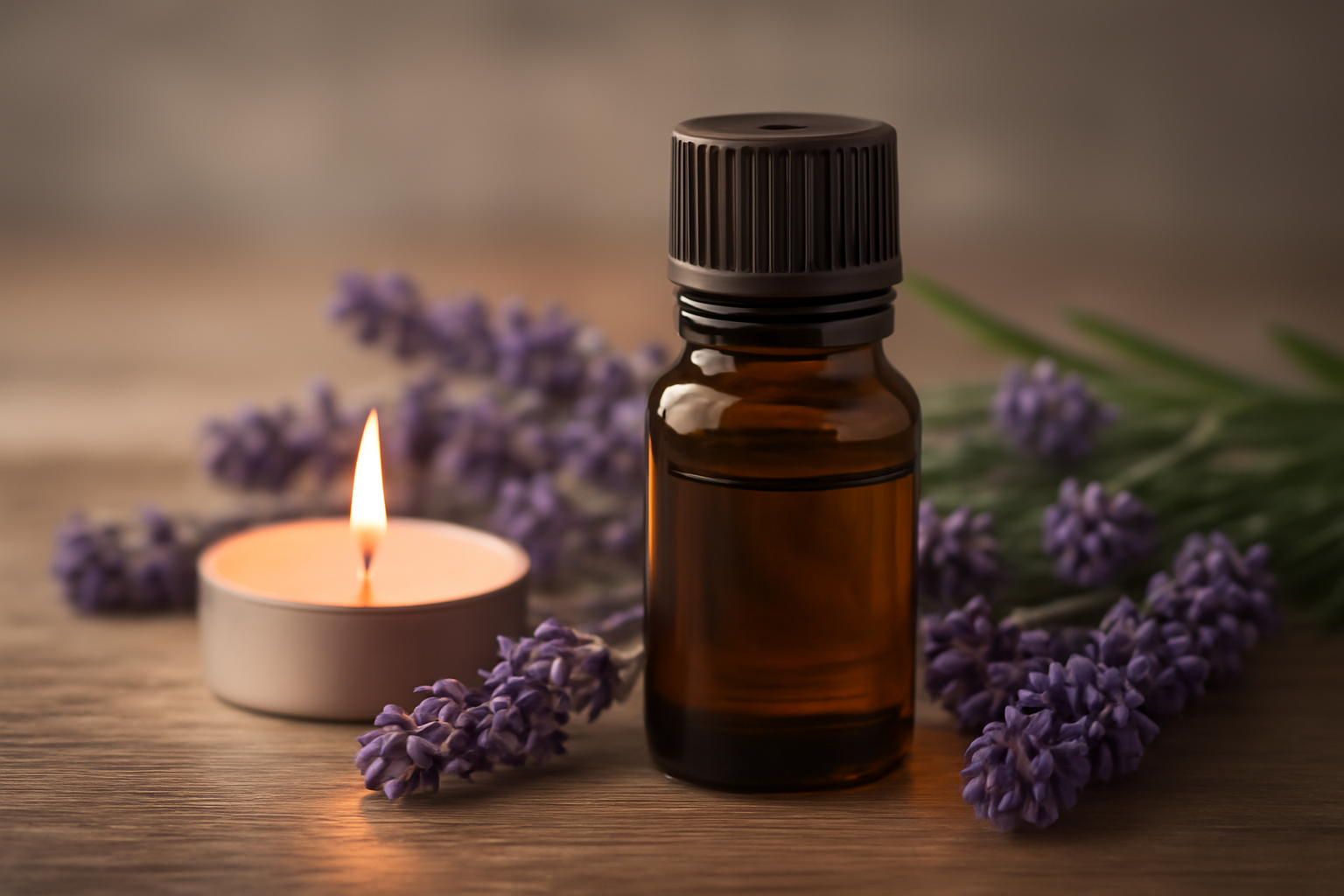
Aromatherapy rests on the connection between scent, the brain, and the body. When an essential oil’s molecules reach nerve receptors in the nose, they can trigger signals that travel to the limbic system — the brain’s emotional center. From there, olfactory input can influence autonomic functions such as heart rate, breathing, and cortisol release, contributing to a state of relaxation or alertness depending on the oil profile.
During exposure, the brain’s chemistry can shift in subtle ways. Some oils contain compounds that may promote GABAergic activity (the brain’s primary inhibitory system), while others can modulate serotonin or endorphin pathways. Beyond chemistry, aroma also creates associations and intentional moods — calm, focus, or comfort — through memory and learned responses. In short, aromatherapy blends science with experience to support a calmer nervous system and more balanced mood.
How essential oils affect mood and anxiety
- Olfactory stimulation of the limbic system: Inhaled scents can directly influence emotional processing and stress regulation.
- Autonomic nervous system modulation: Some oils may slow breathing, lower heart rate, and reduce muscle tension, contributing to a sense of ease.
- Aromas can influence neurotransmitters involved in mood and anxiety, such as GABA, serotonin, and cortisol, though effects vary by oil and person.
- Pleasant scents can evoke comforting memories or hopeful expectations, reinforcing relaxation.
- The setting, breathing pace, and active coping strategies (like diaphragmatic breathing) can amplify the calming effect.
What to expect from aromatherapy
Results are often gradual and vary by individual. You may notice subtle relief from acute symptoms (tension, racing thoughts) after a single session, with more consistent benefits after regular practice. Aromatherapy is typically used as a supportive tool rather than a standalone treatment.
Forms of use include diffusion (a room-fill aroma), direct inhalation from a bottle or diffuser, and topical application when diluted in a carrier oil. For anxiety, many people combine scent exposure with slow breathing, guided body scans, or brief meditative pauses. Important practical notes:
- Start with small amounts and observe your body’s response.
- Avoid strong or overpowering scents if you become overwhelmed.
- Diffusion sessions of 10–20 minutes can be a good starting point, either alone or as part of a calming routine.
Evidence for effectiveness
Research on aromatherapy for anxiety shows mixed results. Some randomized controlled trials and systematic reviews report small to moderate reductions in anxiety symptoms, particularly in perioperative settings, chronic stress, or sleep disturbance associated with anxiety. Other studies note high placebo effects or inconsistent results due to variation in oil quality, dosing, and study design. Overall, the evidence supports aromatherapy as a complementary approach that may help reduce anxiety alongside established treatments, rather than as a sole therapy.
When considering evidence, look for high-quality sources, consistent methodology, and transparent reporting about oil types, concentrations, and administration methods. If your anxiety is persistent or severe, use aromatherapy as part of a broader plan developed with healthcare providers, rather than as a substitute for evidence-based treatment.
Specific oils and their uses
- Lavender (Lavandula angustifolia): Widely studied for calming effects and sleep support. Use in a diffuser or dilute for skin contact (1–2% dilution for adults). Caution for sensitive individuals and those with known allergies to lavender.
- Bergamot (Citrus bergamia): Uplifting yet soothing; helpful for mood balance. Note a potential phototoxic reaction with citrus oils on skin exposed to sunlight; avoid direct sun after topical application unless using bergapten-free varieties.
- Chamomile (Matricaria recutita or Chamaemelum nobile): Gentle sedative qualities, often used for sleep and restlessness. Dilute for topical use and diffuse in the evening as part of a calming routine.
- Ylang-ylang (Cananga odorata): Known for relaxing and grounding effects; can be stimulating for some, so start with a subtle amount in blends.
- Sweet orange (Citrus sinensis): Cheerful and comforting without being overly stimulating. Use in diffusion or massage blends with caution on sensitive skin; may be phototoxic if used undiluted under bright light.
- Clary sage (Salvia sclarea): Associated with mood stabilization and relief of tension. Often used in blends for relaxation; avoid high concentrations if you have hormone-sensitive conditions.
- Peppermint (Mentha piperita): Invigorating rather than sedating; can help with focus and migraines but may aggravate anxiety in some people if too strong. Use sparingly in blends.
Practical tips for use:
- Choose single oils or gentle blends rather than complex, high-odor mixtures when you’re new to aromatherapy.
- Always dilute for topical application (typically 1–3% dilution for adults, less for sensitive skin or facial use).
- Source oils from reputable producers to minimize impurities and synthetic additives.
Safety considerations
- Do a small skin test on the forearm and wait 24 hours to check for irritation or rash.
- Use proper dilutions (commonly 1–3% for adults in topical blends). Avoid ingestion unless under professional guidance. Diffuse in well-ventilated spaces and limit exposure if you’re new to a scent.
- Pregnant or nursing individuals, children, older adults, or people with seizure disorders or skin conditions should consult a healthcare professional before use. Some oils may interact with medications or affect hormonal balance.
- Choose pure, un adulterated essential oils from reputable sources and store them away from heat and light to preserve potency.
- Some oils can be harmful to pets or cause respiratory irritation for others in the home. Use diffuse oils with caution in households with animals and always provide adequate ventilation.
Integration with other treatments
Aromatherapy works best as part of a broader plan. Consider pairing it with evidence-based strategies such as cognitive-behavioral therapy (CBT), mindfulness meditation, regular physical activity, and good sleep hygiene. Use aromatherapy to support practice of relaxation techniques — e.g., inhale an oil blend during a brief breathing exercise or wind down with a calming scent before bedtime.
Communicate with your healthcare providers about use of essential oils, especially if you are taking medications, have chronic health conditions, or are pregnant. If anxiety is severe or persistent, seek professional help and view aromatherapy as a supportive component rather than a replacement for therapy or prescribed medications.
Getting started can be as simple as selecting one calming oil, creating a short daily routine, and noting any changes in mood or physical symptoms. With thoughtful use and safety in mind, aromatherapy can become an accessible, comforting addition to your anxiety-management toolbox.
⚠️ This content is for informational purposes only and is not a substitute for professional medical advice, diagnosis, or treatment. Always consult a licensed physician, psychiatrist, psychologist, or other qualified healthcare professional before making decisions about medications, mental health treatment, or alternative and holistic treatment.
