
Yoga therapy offers a structured, evidence-informed approach to anxiety, using breath regulation, gentle movement, and mindful awareness to calm the nervous system, reduce hyperarousal, and restore balance between fight/flight and rest-and-digest responses. For many people, it provides practical skills that can be practiced daily, supporting resilience and improved emotional regulation beyond traditional talk therapies.
In this article, we explore the theoretical foundations behind yoga therapy, how the practice works to ease anxiety, what to expect during sessions, conditions where it tends to be most helpful, the process and timeline of a typical program, the training and qualifications needed for yoga therapists, and practical considerations for those curious about starting a yoga therapy journey.
Theoretical foundation
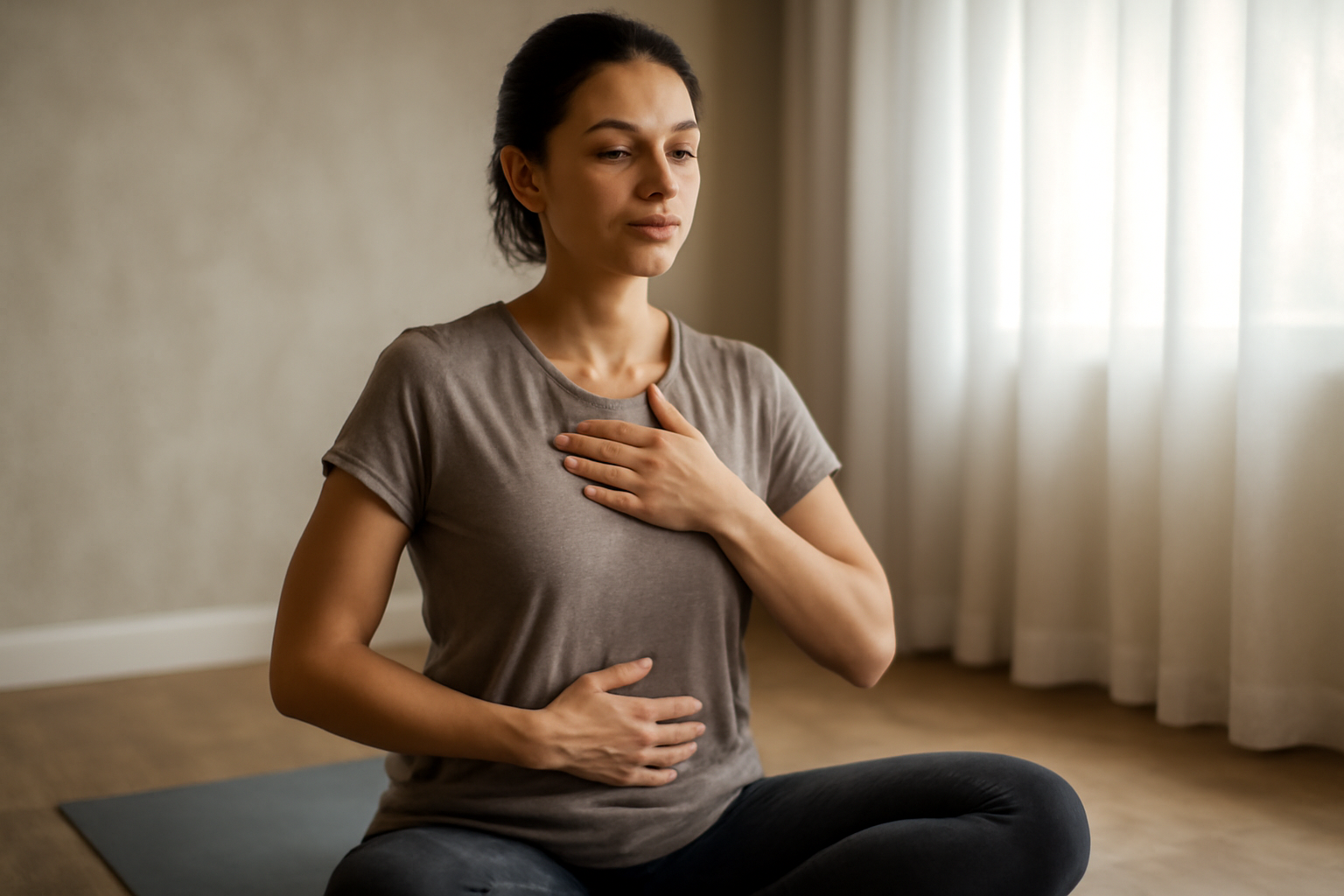
Yoga therapy rests on the mind–body connection and the idea that nervous system regulation is central to managing anxiety. Breath control (pranayama), postural practice (asana), and mindfulness together influence autonomic nervous system balance — shifting from sympathetic dominance toward parasympathetic, or calming, states. This shift can reduce heart rate variability (HRV), lower cortisol levels, and decrease hypervigilance over time.
Several concepts commonly referenced in yoga therapy help explain how it works:
- Breath–mindfulness loop: Slow, intentional breathing practices calm the nervous system and support greater awareness of bodily cues without becoming overwhelmed.
- Polyvagal-informed regulation: Gentle stimulation of the ventral vagal complex through safe, predictable practice supports social engagement, safety signals, and a sense of grounding.
- Homeostasis through movement: Low- to moderate-intensity movement can release muscle tension and improve interoceptive awareness — the ability to sense internal bodily states.
- Context and meaning: Training emphasizes nonjudgmental attention, self-compassion, and skills that can be integrated into daily life, which enhances perceived control over anxiety symptoms.
Evidence for yoga-based approaches to anxiety includes small studies and systematic reviews showing reductions in anxiety symptoms and improvements in sleep and cognitive flexibility, as well as improvements in autonomic indicators like HRV. While results vary by individual and program design, many people report meaningful benefits when yoga therapy is tailored to their needs and guided by a trained professional.
External resources:
How the practice works
Yoga therapy blends several modalities that collectively support anxiety management. The approach is individualized, starting with careful assessment and goal setting, then designing a regimen that can be practiced safely at home and in sessions. Core components include:
- Breathwork (pranayama): Techniques such as diaphragmatic breathing, box breathing, or slowing exhalation help regulate the autonomic nervous system and promote calm without suppressing awareness of feelings.
- Gentle movement (asana): Postures are chosen for safety and accessibility, aiming to relieve muscle tension, improve posture, and foster a sense of physical ease.
- Mindfulness and body awareness: Instruction in present-moment attention helps individuals observe anxious thoughts and physiological sensations without becoming overwhelmed.
- Relaxation practices (especially yoga nidra): Guided, systematic relaxation supports deep rest and mental clearing, aiding sleep and emotional resilience.
A typical session may begin with a brief check-in, followed by a guided breath practice, a gentle sequence of postures, a short meditation or body scan, and a closing relaxation or yoga nidra. A home-practice plan — often just 5–15 minutes daily — extends the benefits between sessions and builds confidence in self-regulation.
Practical tips for getting the most from practice:
- Start with short sessions and gradually increase duration as comfort grows.
- Use a calm, quiet space and wear comfortable clothing.
- Keep a reflective journal of sensations, moods, and thoughts to monitor progress.
Further reading about practical breathing and anxiety management can be found in related resources and courses, including guidance from yoga therapists and educators.
What to expect during sessions
When you begin yoga therapy, you typically meet with a licensed or certified yoga therapist for an intake and assessment. This visit helps the therapist understand your anxiety patterns, medical history, medications, sleep quality, activity level, and personal goals. Based on this information, they design a personalized plan.
Session structure often includes a check-in, a tailored breath practice, a gentle movement sequence, and a brief period of relaxation or guided meditation. Each session lasts about 60 to 90 minutes, with the option to adjust intensity and pacing to your comfort. Modifications and props (bolsters, blankets, chairs, straps) are used to accommodate injuries, mobility limitations, or chronic pain.
Safety considerations are important. If you have recent surgery, acute injuries, glaucoma, uncontrolled hypertension, or certain cardiovascular concerns, your therapist will adapt or postpone specific postures. Communication is key — inform your therapist about changes in symptoms, medication adjustments, or new stressors so the plan can be modified accordingly.
Conditions it’s most effective for
Yoga therapy for anxiety is often beneficial for a range of situations where anxiety is a central feature or a significant contributor to distress or impairment. It can be especially helpful in:
- Generalized anxiety where worry is persistent and difficult to control
- Situational or performance anxiety (e.g., public speaking, exams)
- Chronic stress and sleep disturbances linked to anxious arousal
- Anxiety with coexisting mood symptoms or stress-related somatic symptoms
When anxiety is severe, chronic, or intertwined with trauma or psychosis, yoga therapy is typically used as a complementary approach within a broader treatment plan supervised by healthcare professionals. It is not a substitute for urgent medical care or evidence-based therapies in crisis situations.
Prospective clients are encouraged to discuss suitability with both their medical team and a qualified yoga therapist to determine whether yoga therapy should be integrated with psychotherapy, pharmacotherapy, or other interventions.
Process and timeline
Starting a yoga therapy program usually involves a phased timeline:
- Intake, goal setting, and introduction to breath work. Focus on establishing safety, consistency, and basic self-regulation tools.
- Gradual introduction of gentle postures and longer mindfulness practices. Home practice may extend to 10–15 minutes most days.
- Integration of more advanced breathing strategies, a broader movement repertoire, and strategies for transferring skills to daily life and stressful situations.
Typical progress indicators include improved sleep quality, reduced daytime tension, greater ease with routine worries, and enhanced ability to notice and interrupt anxious moments before they escalate. The pace varies by individual, and ongoing sessions can support maintenance and growth over months or years, depending on needs and goals.
Training and qualifications needed for yoga therapists
Yoga therapists bridge traditional yoga training with clinical inquiry. The path often includes formal education, supervised practice, and ongoing professional development. Key elements commonly pursued include:
- Advanced teacher training followed by specialized programs in yoga therapy or clinical applications.
- Certification or licensure through recognized bodies such as the International Association of Yoga Therapists (IAYT) or equivalent institutions.
- Clinical or mentored practicum that emphasizes assessment, safety, ethics, and collaboration with other health professionals.
- Continuing education focused on anatomy, physiology, psychology, trauma-informed care, and evidence-based practice.
Typical credentials you might see include registered yoga therapist (RYT) with additional yoga therapy certification, or Master Yoga Therapist through accredited programs. When selecting a practitioner, inquire about training hours, supervision, scope of practice, and how they collaborate with your other healthcare providers.
External resource for professional standards: IAYT – International Association of Yoga Therapists.
Considerations for those interested
- Consult with your healthcare team before starting yoga therapy, especially if you have a medical condition, are pregnant, or are taking medications that affect heart rate or blood pressure.
- Seek a licensed or credentialed yoga therapist with explicit training in mental health and trauma-informed care. Ask about their approach to assessment, safety, and collaboration with other providers.
- Clarify logistics: session frequency, session length, at-home practice requirements, costs, and whether the therapist offers sliding-scale options or supports insurance claims if applicable.
- Prepare for a collaborative process. Your active participation, honest reporting of symptoms, and willingness to adapt practices are important for success.
- Access and accessibility: if you have mobility challenges or live in a rural area, ask about chair-based options, online sessions, or asynchronous resources to support continuity.
For broader context on anxiety, consider exploring reputable health information resources and speaking with a mental health professional about how yoga therapy might complement your plan. If you’d like more background on anxiety disorders, you can read the National Institute of Mental Health overview here.
Reading and observation can also help you decide: some people find it useful to review introductory articles or sample practices from credible sources like Yoga Journal to become familiar with common approaches, while others prefer direct experiential guidance from a trained therapist.
Choosing a therapeutic path is personal. If you’re curious about formal training paths for professionals, see the IAYT page linked above for details on standards, certification options, and how therapists integrate health care collaboration into their practice.
⚠️ This content is for informational purposes only and is not a substitute for professional medical advice, diagnosis, or treatment. Always consult a licensed physician, psychiatrist, psychologist, or other qualified healthcare professional before making decisions about medications, mental health treatment, or alternative and holistic treatment.