
Holistic treatment for substance abuse and mental health is an approach that treats the whole person — body, mind, and spirit — through integrated, person-centered care that blends evidence-based therapies with complementary practices to support recovery and lasting wellness.
Its therapeutic foundation rests on a biopsychosocial-spiritual model that recognizes how biology, psychology, social environment, and personal meaning shape recovery. By tending to physical health, emotional regulation, relationships, and values, holistic care seeks to reduce the roots of distress while building resilience across life domains.
What holistic treatment is and its therapeutic foundation
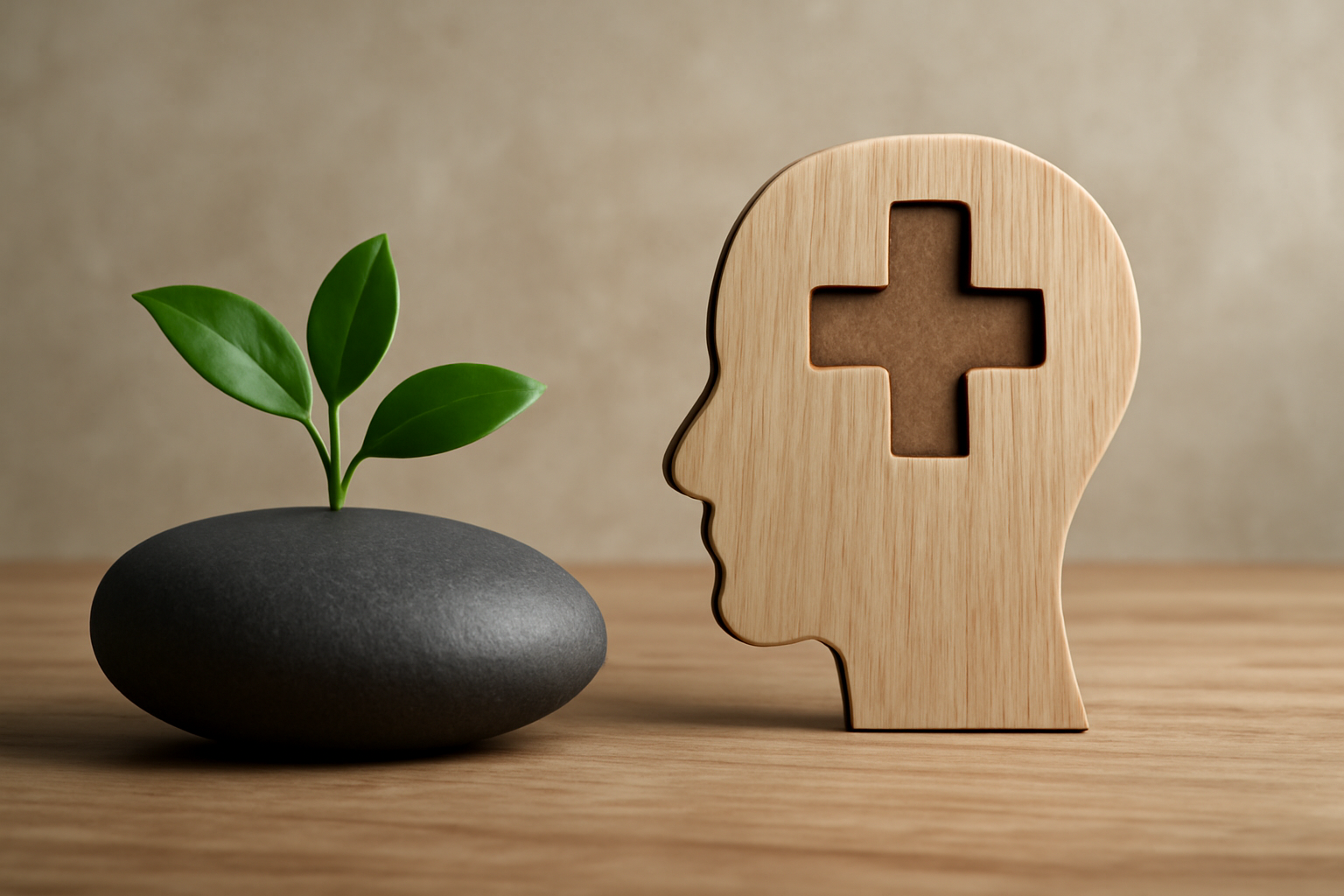
Holistic treatment does not reject conventional medicine or psychotherapy; instead, it integrates them with skills and modalities that address the whole person. This means clinicians consider sleep quality, nutrition, exercise, stress management, social supports, and spiritual or existential needs alongside substance-use and mental-health symptoms. Treatments are typically tailored to the individual, using a collaborative process that respects personal goals, culture, and beliefs.
The therapeutic foundation rests on several pillars: safety and dignity, person-centered care, evidence-informed practice, and a commitment to long-term wellness. Trauma-informed care guides interactions to avoid re-traumatization, while recovery-oriented principles emphasize empowerment, self-determination, and community connections. The result is a treatment experience that supports immediate stabilization while laying groundwork for durable change.
Core principles and techniques
Core principles
- Person-centered and client-led planning
- Integrated care for co-occurring disorders (substance use and mental health)
- Trauma-informed and non-stigmatizing environments
- Collaborative care with multidisciplinary teams
- Respect for individual values, culture, and spirituality
- Focus on function and quality of life, not just symptom suppression
Techniques and modalities
- Mindfulness-based approaches (e.g., mindfulness meditation, mindful awareness during cravings)
- Cognitive and behavioral therapies (CBT, DBT, ACT) adapted for holistic care
- Mind-body practices (yoga, tai chi, breathwork) to regulate the nervous system
- Nutrition and sleep optimization as pillars of recovery
- Exercise programs and physical rehabilitation when needed
- Complementary therapies such as acupuncture, massage, or art and music therapy
- Narrative and expressive therapies to explore meaning, values, and identity
- Psychoeducation and skill-building for coping, relapse prevention, and problem-solving
- Peer support, family involvement, and community-based recovery networks
Practitioners often blend modalities to fit the person’s needs, drawing on both clinical evidence and experiential wisdom. For some clients, spiritual exploration or meaning-centered work is an important driver of motivation and resilience.
Addressing co-occurring disorders
Co-occurring disorders — where substance use and mental health symptoms intersect — require coordinated, integrated treatment. Holistic approaches aim to treat both conditions in parallel rather than in isolation, reducing fragmentation of care and improving outcomes. Early, comprehensive assessment helps identify anxiety, depression, trauma history, bipolar spectrum symptoms, or other conditions that may fuel substance use.
Key components include:
- Screening and assessment for multiple diagnoses at intake
- Integrated treatment plans that address mood, anxiety, trauma, sleep, and cravings
- Coordination among psychiatrists, psychologists, therapists, medical doctors, and social supports
- Medication management when appropriate, combined with psychotherapy and lifestyle strategies
- Ongoing monitoring for interactions between substances, medications, and co-occurring symptoms
For more information on co-occurring conditions and integrated care, see reputable resources such as SAMHSA’s guidance on co-occurring disorders and integrated treatment.
Co-occurring disorders and integrated treatment
Body-mind-spirit approaches
Holistic care attends to three interconnected realms: body, mind, and spirit. Each domain supports the others, creating a comprehensive foundation for recovery.
Body
- Medical evaluation and management of health conditions that contribute to distress or cravings
- Nutrition plans and hydration to nourish brain and body
- Sleep optimization and sleep hygiene strategies
- Exercise and movement programs tailored to energy levels and physical ability
- Gentle therapies such as massage or acupuncture when appropriate
Mind
- Evidence-based therapies (CBT, DBT, ACT) to reframe thoughts and behaviors
- Emotion regulation skills and distress tolerance
- Craving management and relapse-prevention planning
- Mindfulness and meditation to enhance self-awareness and calm
- Psychiatric care for underlying mental health conditions when indicated
Spirit
- Exploration of meaning, purpose, and values in recovery
- Values-based goal setting and life design
- Inclusion of spirituality or secular existential perspectives according to preference
- Community connectedness, belonging, and support networks
These intertwined spheres create a resilient framework for long-term wellness. When one area strengthens, others often follow, reducing relapse risk and improving overall functioning.
What to expect in treatment
Holistic programs typically begin with a comprehensive assessment, followed by an individualized treatment plan. The duration varies — from a few weeks of structured outpatient care to several months of inpatient or residential programs — depending on the severity of substance use, mental health needs, and life circumstances.
In many settings, you can expect:
- A multidisciplinary team (physicians, therapists, nutritionists, social workers, and peer specialists)
- A combination of individual therapy, group sessions, and family or partner involvement
- Education on coping skills, relapse prevention, and healthy lifestyle habits
- Structured routines with support for housing, employment, or schooling as needed
- Aftercare planning, including ongoing therapy, support groups, and crisis resources
Some programs emphasize experiential therapies and creative expression to deepen insight and engagement. If you’re exploring a program, ask about how they address safety, consent, and the handling of emergencies, especially if crises or cravings intensify.
Qualifications to look for in practitioners
When choosing a holistic provider, consider the following qualifications to ensure safe, competent, and ethical care:
- Licensed professionals with appropriate credentials for their discipline (e.g., LCSW, LMFT, LPC in the U.S.; psychologists, psychiatrists, medical doctors)
- Specialized training in addiction medicine or addiction counseling, including dual diagnosis capabilities
- Experience with co-occurring disorders and trauma-informed approaches
- Evidence-informed practice across therapies and modalities offered
- Ability to collaborate with a comprehensive care team and coordinate with external specialists
- Clear safety protocols, informed consent practices, and respect for cultural diversity
Considerations for choosing this approach
To determine if holistic treatment is right for you, reflect on several practical and personal factors:
- Alignment with your values, beliefs, and comfort with certain modalities (e.g., spirituality, mindfulness)
- Accessibility, including location, transportation, and flexible scheduling
- Cost, insurance coverage, and availability of financing or sliding-scale options
- Setting type (outpatient, partial hospitalization, inpatient/residential) and intensity of support
- Evidence base for the specific modalities used by the program
- Culture and language competence, ensuring respectful, non-discriminatory care
- Safety standards, including crisis response, medication management, and risk assessment
Questions to ask when exploring holistic treatment
Use these prompts to guide conversations with providers:
- How is the treatment plan tailored to my goals and values?
- What evidence supports the modalities used, and how is progress measured?
- How are co-occurring mental health conditions addressed alongside substance use?
- What role do family members or partners play, and what limits exist on confidentiality?
- What happens if I relapse — how is it managed within this approach?
- How do you handle medical or psychiatric emergencies?
- Are there integrative therapies available, such as mindfulness or nutrition coaching, and how are they incorporated?
For a broader medical and scientific perspective on addiction treatment principles, you can review credible references such as the National Institute on Drug Abuse’s Principles of Drug Addiction Treatment. Principles of Drug Addiction Treatment.
Another gateway to understanding how mind-body strategies fit into recovery is the National Center for Complementary and Integrative Health, which describes mind-body approaches and their potential benefits. Mind-Body Approaches.
For information about how holistic, integrated care supports people with co-occurring disorders, see SAMHSA’s guidance on co-occurring conditions. Co-Occurring Disorders.
⚠️ This content is for informational purposes only and is not a substitute for professional medical advice, diagnosis, or treatment. Always consult a licensed physician, psychiatrist, psychologist, or other qualified healthcare professional before making decisions about medications, mental health treatment, or alternative and holistic treatment.
Page Contents
- What holistic treatment is and its therapeutic foundation
- Core principles and techniques
- Addressing co-occurring disorders
- Body-mind-spirit approaches
- What to expect in treatment
- Qualifications to look for in practitioners
- Considerations for choosing this approach
- Questions to ask when exploring holistic treatment