
Holistic therapy for PTSD is a client-centered approach that blends evidence-based trauma treatment with practices that support mind, body, and spirit. It views recovery as an integrated process, addressing physiological arousal, thoughts, emotions, relationships, and meaning. By combining traditional trauma-focused work with wellness practices, it aims to restore balance and resilience rather than treating symptoms alone.
Foundations include safety, empowerment, and collaboration. Treatment is tailored to each person’s history, culture, and goals, with an emphasis on pacing, consent, and gradual exposure to difficult experiences. The goal is not only to reduce distress but to rebuild a sense of agency, connection, and vitality across everyday life.
Core principles guiding holistic PTSD care
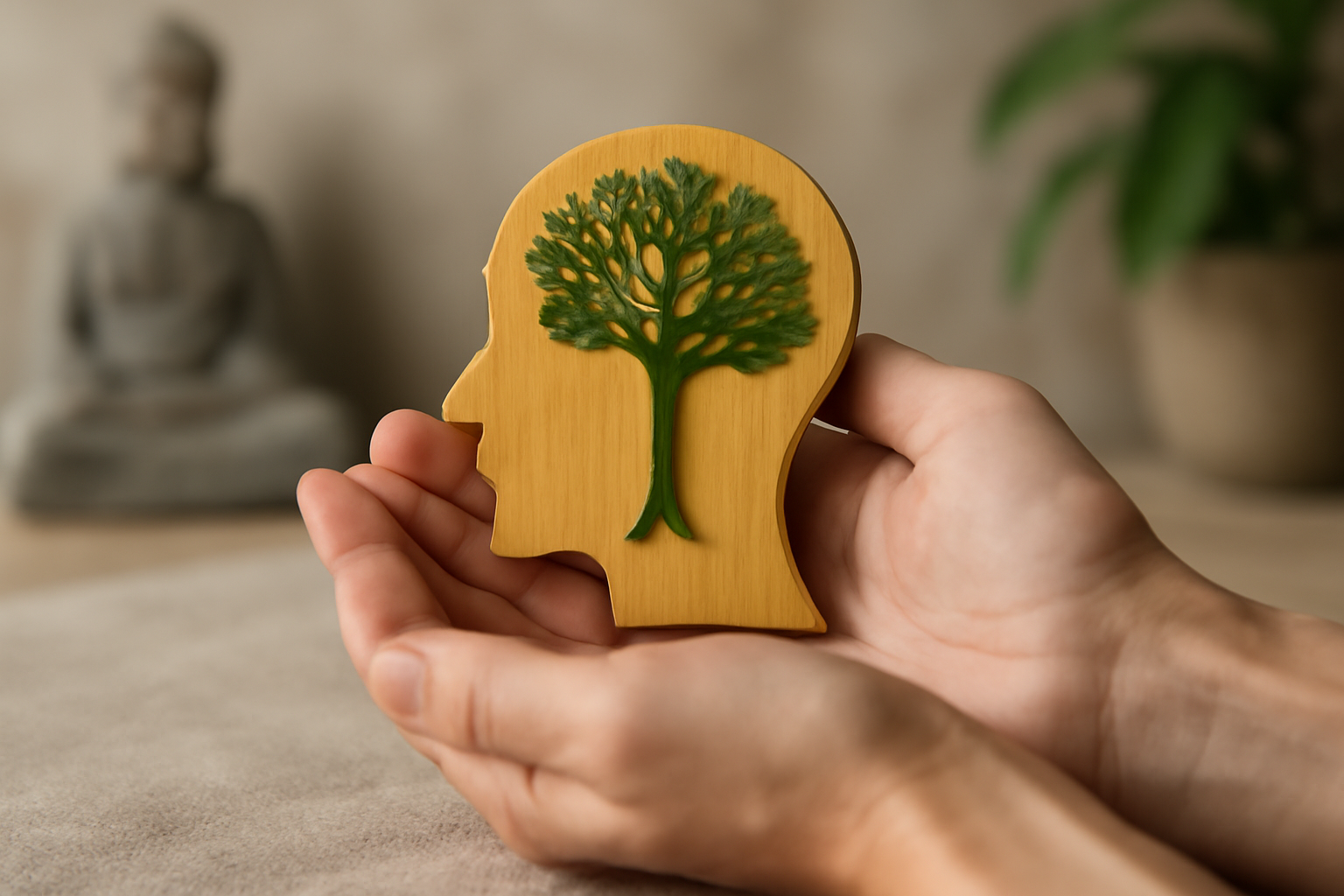
- Healing is seen as the integration of physical, emotional, cognitive, relational, and spiritual dimensions.
- Practices prioritize safety, transparency, choice, collaboration, and respect for boundaries.
- Treatment plans are personalized to align with values, culture, and personal meaning.
- A blend of validated therapies and supportive wellness practices is used, with careful attention to what works for the individual.
- Building on existing resources, skills, and supports helps empower ongoing growth beyond symptom relief.
Techniques and modalities used
- Practices such as breath awareness, body scans, and present-moment attention help reduce hyperarousal and promote safety in the nervous system.
- Approaches that focus on bodily sensations and nervous system regulation, including Somatic Experiencing and Sensorimotor Psychotherapy, aim to release stuck physiological responses and rebuild resilience.
- Eye Movement Desensitization and Reprocessing (EMDR) and other evidence-based methods can be adapted to include somatic and experiential elements to support integration.
- Trauma-informed yoga, tai chi, and gentle movement help restore nervous system balance, improve proprioception, and foster a sense of safety in the body.
- Specific techniques, including paced breathing and co-regulation strategies, support autonomic nervous system balance.
- Sleep optimization, nutrition guidance, regular physical activity, and stress management strategies play a key role in stabilizing mood and improving coping.
- Art, music, writing, and nature-based activities provide nonverbal pathways for processing trauma and rebuilding self-efficacy.
- Mindful exposure to feared situations, gradual social reconnection, and values-driven activities help reestablish meaning and purpose.
How it addresses trauma on multiple levels
Holistic PTSD care recognizes that trauma leaves traces in several layers of function. At the neurological level, practices that regulate the autonomic nervous system aim to reduce hypervigilance and improve capacity to calm down after stress. Emotionally, soothing techniques help tolerate distress without becoming overwhelmed, facilitating healthier processing of traumatic memories. Cognitively, reframing intrusive thoughts and cultivating adaptive appraisals supports clearer thinking and decision-making. Relationally, group or one-on-one work often emphasizes safe attachment, trust, and healthy communication. Spiritually or meaningfully, approaches encourage a renewed sense of purpose, connection to values, and a sense of belonging. By addressing these levels together, holistic therapy seeks enduring change rather than short-term symptom relief alone.
Body-centered approaches
Body-centered approaches are central to holistic PTSD work. They help clients feel situated in their bodies, which is essential for processing trauma stored as bodily memory. Key elements include:
- Somatic awareness: Learning to notice subtle bodily cues without getting pulled into retraumatization.
- Regulation techniques: Practices designed to shift from states of activation to calm, such as co-regulation with a clinician, paced breathing, and grounding.
- Safe activation: Gradual exposure to triggered sensations in a controlled, supportive setting to rebuild tolerance and resilience.
- Movement and posture: Gentle movement, posture work, and grounding positions that support confidence and presence.
What to expect in treatment
Entering holistic PTSD care typically involves an initial phase of assessment and safety planning, followed by a personalized, multi-modal treatment plan. Common elements include:
- A comprehensive history, current functioning, and personal goals help shape the therapy plan. Clients are encouraged to share values, beliefs, and preferences for treatment.
- Depending on needs, sessions may combine somatic work, mindfulness, movement, and trauma-focused therapies, with adjustments over time.
- Most sessions last about 60 to 90 minutes, with regular check-ins on safety, progress, and any barriers to engagement.
- Clients may receive exercises to practice between sessions, such as breathing routines, journaling, or short mindfulness practices.
- When appropriate, practitioners collaborate with physicians, psychiatrists, or sleep and nutrition specialists to ensure a cohesive plan.
- Progress is reviewed periodically, with goals adjusted to reflect evolving needs and capabilities.
- The pace is guided by the client’s readiness, with a clear plan for steps forward and boundaries to prevent overwhelm.
Qualifications to look for in practitioners
- Look for credentials such as a licensed clinical psychologist (PhD/PsyD), licensed clinical social worker (LCSW), licensed professional counselor (LPC/LPCC), or psychiatrist with trauma-focused training.
- Certifications in trauma-focused approaches or body-centered modalities (for example, EMDR, Somatic Experiencing, Sensorimotor Psychotherapy) demonstrate specialized training.
- Regular supervision and continuing education help ensure ethical practice and current best practices.
- Practitioners should show sensitivity to diverse backgrounds, religions, and identities, and adapt approaches accordingly.
- A willingness to coordinate with medical providers and to discuss adverse reactions, safety, and care planning openly.
- Transparent crisis planning, risk assessment, and emergency contacts are essential.
Considerations for choosing this approach
- Assess whether the philosophy of healing — emphasizing balance, self-exploration, and personal meaning — fits your preferences.
- Consider location, appointment frequency, telehealth options, and scheduling flexibility to maintain consistency.
- Verify coverage, out-of-pocket costs, and any sliding-scale options. Some holistic modalities may be offered as part of integrative programs.
- If you have medical conditions or are on medications, ensure coordination with medical providers and that body-centered work is introduced with appropriate caution.
- Check that the practitioner has substantial experience with trauma, and specifically with PTSD, rather than general mental health alone.
- Ensure comfort with any spiritual or religious considerations, and confirm respect for diverse beliefs.
- Discuss what success looks like, potential risks, and what modalities will be used. A clear, written plan helps establish trust.
- Think about privacy, comfort with group settings if applicable, and personal boundaries around touch or movement-based work.
Resources and starting steps
If you’re exploring holistic options for PTSD, consider starting with reputable, trauma-informed resources to learn about approaches and find qualified practitioners. For reliable information, you can explore:
- American Psychological Association — PTSD topic
- National Center for PTSD (VA)
- Somatic Experiencing
- EMDR International Association
Starting holistic PTSD care often means finding a practitioner who can weave together somatic work, mindfulness, and evidence-based trauma therapies in a way that respects your pace and life context. A good fit will prioritize safety, collaboration, and personal meaning, helping you move toward a sense of daily balance and renewed engagement with what matters to you.
⚠️ This content is for informational purposes only and is not a substitute for professional medical advice, diagnosis, or treatment. Always consult a licensed physician, psychiatrist, psychologist, or other qualified healthcare professional before making decisions about medications, mental health treatment, or alternative and holistic treatment.