
Social anxiety can feel overwhelming, but natural remedies offer evidence-based ways to reduce symptoms and build confidence without relying solely on medication.
In this guide, you’ll find proven approaches, practical lifestyle tweaks, safe supplements and herbs, coping strategies you can use daily, plus guidance on when to seek professional help and how to stay safe.
Evidence-based natural approaches to social anxiety
-
CBT-based self-help and guided therapy. Cognitive-behavioral strategies help identify and reframe distorted social beliefs, gradually expose you to feared situations, and build coping skills. Structured programs — whether self-guided or with a therapist — consistently show reductions in social anxiety symptoms and improvements in daily functioning. Learn more.
-
Mindfulness and acceptance-based approaches. Mindfulness practices help you observe anxious thoughts without judgment and reduce avoidance. Short daily practices, such as mindful breathing or body scans, can lower arousal and improve presence in social settings. For many, combining mindfulness with values-based action supports meaningful social engagement. Overview of mindfulness resources (NCCIH).
-
Breathing techniques and relaxation. Slow, deliberate breathing exercises (for example, box breathing or 4-4-4 patterns) calm the nervous system and create space to respond rather than react in social moments. Regular practice enhances efficacy when stress spikes during conversations or public speaking.
-
Gradual exposure and social skills practice. Systematic, repeated exposure to feared social situations — starting with less challenging tasks and slowly advancing — reduces avoidance and builds confidence. Pair exposure with supportive feedback or coaching to refine social skills and reduce self-consciousness.
-
Exercise and physical activity. Regular aerobic activity lowers baseline anxiety, improves mood, and enhances stress resilience. Aiming for consistent movement, such as brisk walking several days a week, can complement other strategies and support longer-term relief.
Lifestyle modifications that help
-
Sleep hygiene. Sleep quality strongly influences social confidence and emotion regulation. Maintain a regular sleep schedule, limit screen exposure before bed, and create a calming pre-sleep routine to improve daytime functioning.
-
Limit stimulants and alcohol. Caffeine and certain stimulants can heighten nervousness and arousal, while alcohol may temporarily dull nerves but often worsens anxiety the next day. Monitoring intake and choosing gentler alternatives can help stabilize mood and energy.
-
Balanced routine and nutrition. Regular meals, hydration, and a balanced diet support steady energy and mood. Some people find that gut-friendly foods and consistent meal timing reduce irritability and help focus in social settings.
-
Social routines and support networks. Build a predictable rhythm of small social tasks — like a weekly coffee with a friend or a short group activity — that you gradually increase in complexity. Having a trusted ally or coach can provide support and accountability.
-
Digital boundaries and stress management. Limiting constant social media exposure and setting boundaries around news or online interactions can reduce comparison pressure and social fatigue.
Supplements and herbal remedies
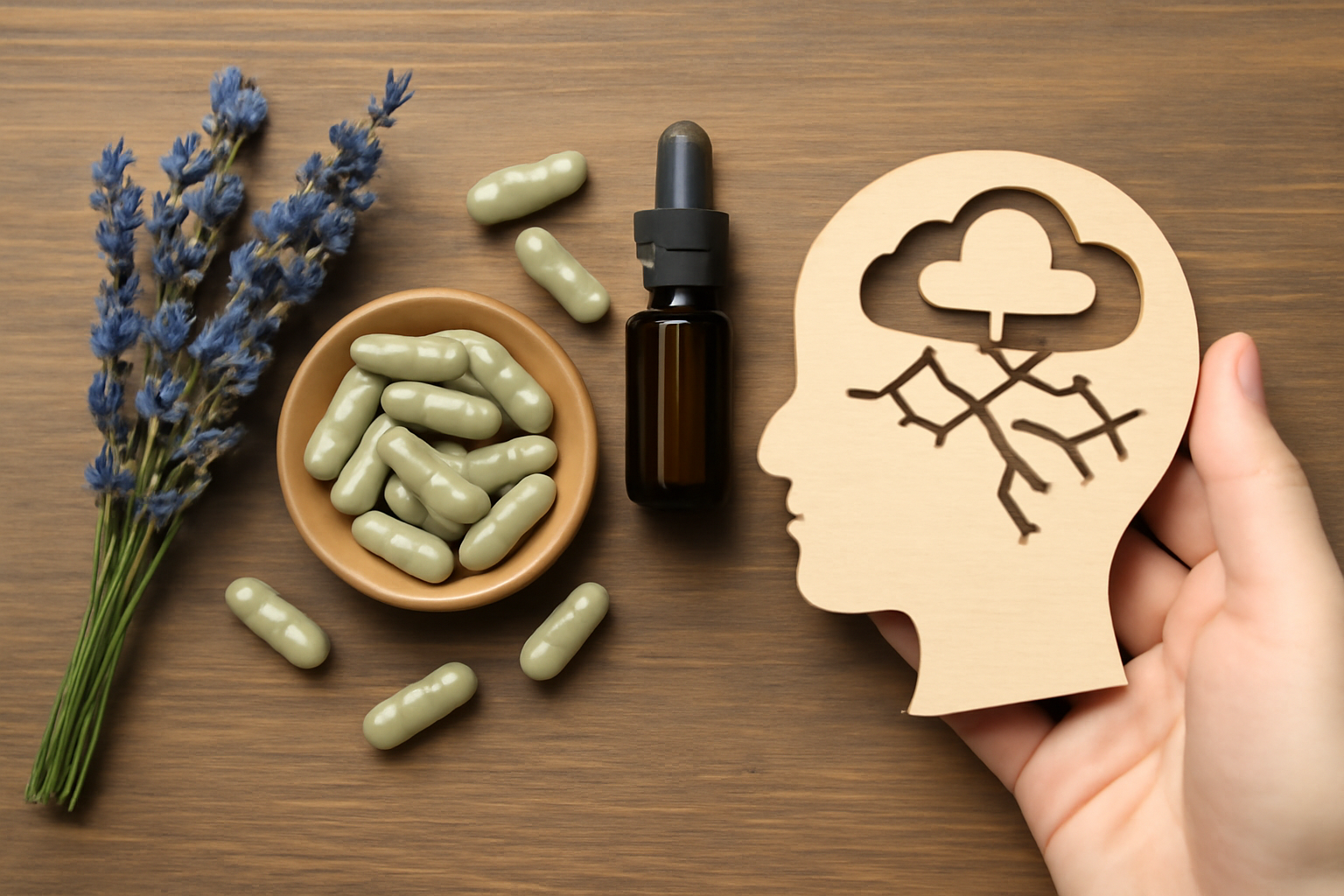
Some people explore supplements or herbal options to support calmness, but evidence varies and safety matters. Always discuss any supplement plan with a healthcare professional, especially if you take medications, have medical conditions, or are pregnant or breastfeeding.
-
L-theanine. An amino acid commonly found in tea, L-theanine may promote relaxation without sedation and may help with attention when combined with caffeine. Evidence is mixed; some studies show reduced stress responses in certain contexts. Overview.
-
Magnesium. Magnesium supports nervous system function, and low levels have been linked with increased anxiety in some people. A general healthy intake may help, though results for anxiety symptoms are mixed. NIH Magnesium Fact Sheet.
-
Chamomile (herbal tea or extract). Chamomile is widely used for relaxation and may help mild anxiety symptoms for some individuals. Seek products from reputable sources and be mindful of allergies. NCCIH overview.
-
Valerian root. Some people report calmer nights and reduced daytime tension, but evidence varies and it can interact with other sedatives. Use under guidance and for short periods. NIH Valerian fact sheet.
-
Kava caution. Kava has been linked to serious liver injury in rare cases. If considering kava, discuss safety with a clinician and review regulatory guidance. NCCIH kava page.
-
Ashwagandha and other adaptogens. Some adaptogenic herbs are studied for stress-related symptoms; however, robust evidence for social anxiety is limited and safety varies by product. Always check with a professional before use.
Practical coping strategies you can try now
-
Grounding and presence in the moment. In anxious moments, name five things you see, four you hear, three you feel, two you smell, and one you taste. This simple exercise anchors attention and can reduce spiraling thoughts.
-
Brief, structured breathing. Try box breathing: inhale for 4 counts, hold for 4, exhale for 4, hold for 4. Repeat for a few minutes to lower arousal before social tasks.
-
Conversation planning. Prepare a few neutral topics or open-ended questions (for example, “What did you enjoy most about your weekend?”) to ease early conversations. Practice with a trusted friend or in front of a mirror if helpful.
-
Progressive muscle relaxation. Systematically tense and release muscle groups to ease physical tension that accompanies anxiety. Pair with deep breathing for best effect.
-
Journaling and thought records. Write down anxious thoughts, rate their intensity, and counter them with balanced, evidence-based responses. Tracking patterns helps you challenge unhelpful beliefs over time.
When professional help is needed
Natural approaches can be highly beneficial, but some people benefit from professional guidance to reach deeper or faster relief. Consider seeking help if:
- Symptoms persist for 6 months or more and disrupt work, school, or relationships.
- Distress is intense, frequent, or escalating, or you experience panic episodes or compulsions.
- Self-help strategies haven’t produced meaningful improvement after several weeks to a few months.
- You’re using substances to cope or have thoughts of self-harm.
How to seek help: start with a primary care provider or a licensed mental health professional. Therapies such as cognitive-behavioral therapy (CBT) or acceptance and commitment therapy (ACT) are commonly recommended for social anxiety. In some cases, a clinician may discuss medication as part of a comprehensive plan. For general guidance on accessing care, see resources such as NHS guidance on social anxiety disorder.
Safety precautions
-
Consult a professional before starting supplements. Supplements can interact with medications (including antidepressants) or medical conditions. A clinician can help you weigh risks and determine appropriate dosing and duration.
-
Quality and sourcing matter. Choose products from reputable brands with third-party testing. Look for clear labeling, ingredients, and allergen information. Avoid products that claim to cure anxiety or promise dramatic results quickly.
-
Safety with pregnancy, lactation, and illness. Some herbs are not recommended in pregnancy or with certain health conditions. If you’re pregnant, breastfeeding, or managing other health issues, discuss options with a clinician before use.
-
Watch for interactions and side effects. Kava and valerian can cause drowsiness or interact with sedatives. L-theanine and magnesium are generally well tolerated, but may still affect blood pressure or interact with medications in some people.
-
Know when to seek urgent care. If you experience chest pain, shortness of breath, fainting, or any symptoms suggesting a medical emergency, seek immediate care.
Remember, natural remedies are not a one-size-fits-all solution. A thoughtful combination of evidence-based strategies, healthy lifestyle changes, and professional guidance tailored to you can offer meaningful, lasting relief from social anxiety.
⚠️ This content is for informational purposes only and is not a substitute for professional medical advice, diagnosis, or treatment. Always consult a licensed physician, psychiatrist, psychologist, or other qualified healthcare professional before making decisions about medications, mental health treatment, or alternative and holistic treatment.