
Holistic depression treatment is a person-centered approach that seeks to relieve depressive symptoms by addressing the whole person — body, mind, and environment — through integrated therapies and lifestyle changes. Grounded in the biopsychosocial model, it blends evidence-based psychotherapy with practices that support physical health, emotional resilience, social connection, and meaning. By treating multiple factors that contribute to mood, holistic care aims to create durable improvements that endure beyond symptom relief.
Rather than focusing on mood alone, this approach emphasizes the interconnectedness of sleep, nutrition, physical activity, stress management, relationships, and purpose. Practitioners collaborate with clients to tailor a plan that fits values, preferences, and life circumstances, often incorporating lifestyle coaching, mind–body techniques, and complementary therapies alongside conventional care when appropriate.
Core principles
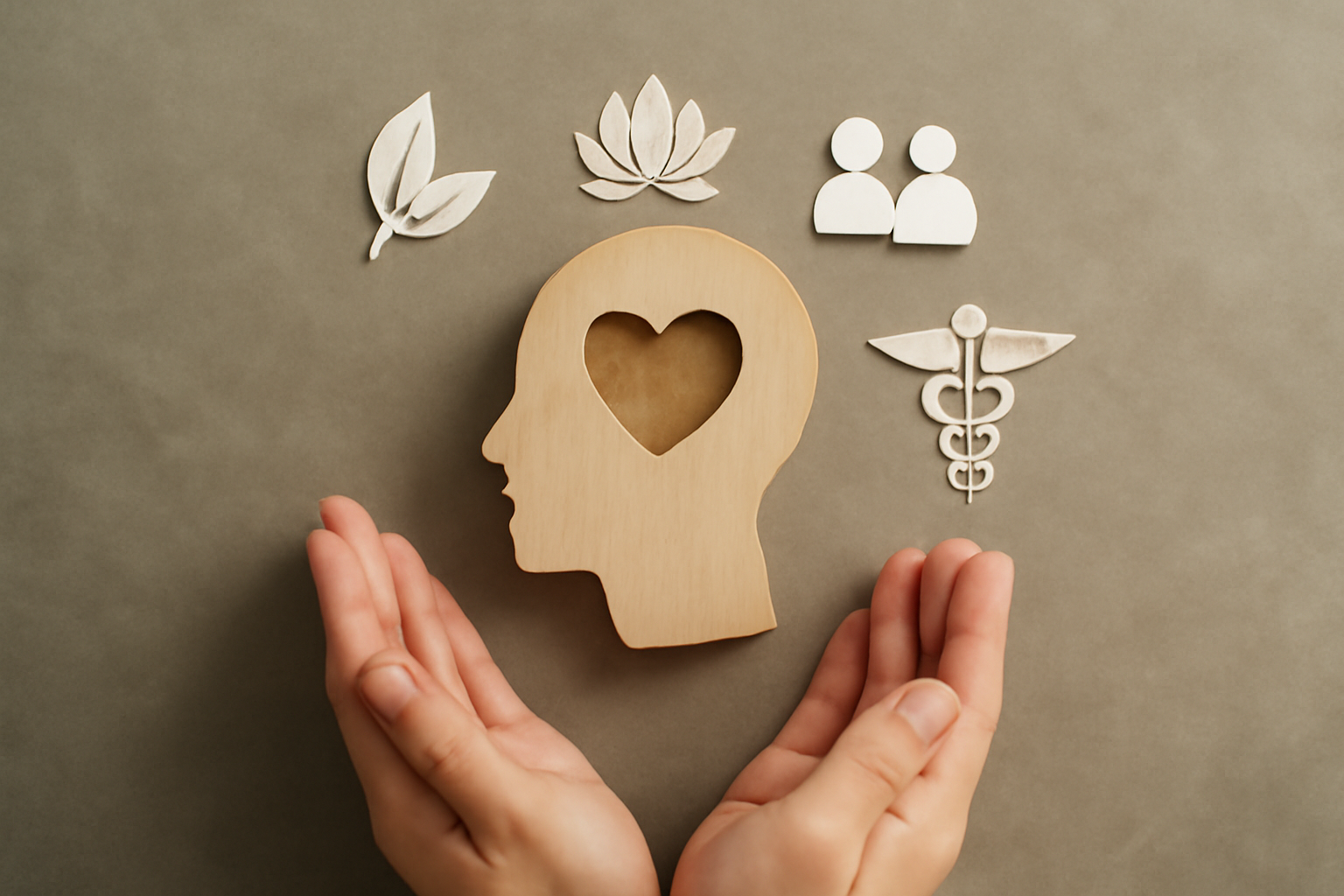
- Biopsychosocial-spiritual foundation: Depression is understood through the interaction of biology, psychology, social context, and meaning. Treatments aim to balance these domains rather than addressing mood in isolation.
- Person-centered, collaborative care: Treatment is tailored to your goals, values, cultural background, and life situation, with shared decision-making between you and your practitioner.
- Integrated care: When appropriate, care brings together mental health professionals, primary care, nutrition, sleep specialists, and, if desired, complementary therapists to support a cohesive plan.
- Evidence-informed practice: Techniques are grounded in research while allowing flexibility to fit individual needs. The aim is to combine proven therapies with lifestyle strategies that can enhance outcomes.
- Prevention and relapse management: Strategies emphasize long-term resilience, including sleep hygiene, stress reduction, ongoing social connection, and skill-building to reduce relapse risk.
- Trauma- and culturally informed care: Approaches are sensitive to past trauma and cultural context, ensuring safety, respect, and relevance of the treatment plan.
Techniques commonly used
- Psychotherapy modalities: CBT, ACT (acceptance and commitment therapy), MBCT (mindfulness-based cognitive therapy), IPT (interpersonal therapy), and other evidence-based approaches may be used individually or in combination to target thinking patterns, behaviors, and relationship dynamics.
- Mindfulness and body-awareness practices: Mindfulness meditation, breathwork, body scans, and grounding techniques help regulate emotions and reduce rumination.
- Sleep and circadian health: Sleep assessment, regular schedules, light exposure, and sleep hygiene strategies to improve energy and mood consistency.
- Nutrition and gut health: Balanced meal planning, regular meals, hydration, and nutrition coaching aimed at supporting brain function and energy, with attention to inflammation and gut microbiome where appropriate.
- Physical activity: Gradual, enjoyable movement plans (walking, cycling, strength training, yoga) that respect current fitness and fatigue levels to boost mood and sleep.
- Stress management and resilience: Progressive muscle relaxation, paced breathing, time-limited worry periods, and cognitive reappraisal to reduce physiological arousal.
- Social connection and meaning: Facilitated support networks, family involvement when helpful, volunteerism, and engagement in meaningful hobbies or community activities.
- Somatic and complementary therapies: Options may include acupuncture, massage, or gentle mind–body practices where supported by evidence and personal preference, always considered within safety guidelines.
- Education and self-management: Skills for recognizing early warning signs, dealing with setbacks, and maintaining routines that support mood over time.
Practitioners emphasize a flexible toolkit rather than a one-size-fits-all protocol. The aim is to build a sustainable lifestyle and coping repertoire that reduces vulnerability to future depressive episodes.
Addressing multiple aspects of wellbeing
Holistic depression treatment targets several interconnected domains of wellbeing:
- Emotional health: Cultivating emotion regulation, self-compassion, and safe expression of feelings through therapy and supportive practices.
- Cognitive health: Challenging negative thought patterns and fostering flexible thinking, problem solving, and goal setting.
- Physical health: Improving sleep, energy, appetite, and physical fitness through individualized routines and medical collaboration when needed.
- Social health: Strengthening relationships, building social supports, and reducing isolation through structured activities and communication skills.
- Purpose and meaning: Reconnecting with values, interests, and activities that lend direction and a sense of contribution.
- Environment and lifestyle: Creating predictable routines, reducing chronic stressors, and cultivating spaces that support calm and recovery.
By addressing these layers together, people often experience more durable relief and a reduced likelihood of symptom flare-ups, compared with singular approaches that focus only on mood symptoms.
Conditions it’s most effective for
- Mild to moderate depression where individuals seek non-pharmacological options or want to augment medication with lifestyle and therapy strategies.
- Depression characterized by sleep disturbance, fatigue, chronic stress, or poor coping skills, where biobehavioral interventions can have meaningful impact.
- Depression with comorbid anxiety, trauma histories, or relational difficulties, where interpersonal and mind–body approaches can support overall functioning.
- Depression linked to chronic illness, weight-management challenges, or lifestyle factors, where integrated care can address both mood and physical health.
- Maintenance and relapse prevention after an acute depressive episode, through skills and routines that promote resilience.
- Perinatal and postnatal mood concerns, when care emphasizes safety, social support, and maternal well-being within a holistic plan.
More complex or severe cases, including certain psychotic disorders or severe suicidality, require close medical oversight. Holistic approaches are often used in tandem with standard medical treatment to support overall recovery and quality of life.
What to expect in treatment
Every plan starts with an in-depth intake to understand symptoms, medical history, sleep, lifestyle factors, and personal goals. A collaborative treatment plan is then developed, typically including a combination of psychotherapy, lifestyle adjustments, and, when appropriate, referral to medical or nutritional professionals.
- Improvements can unfold over weeks to months. Consistency and practicing strategies between sessions are key to progress.
- Most plans begin with weekly or biweekly sessions, with shifts to monthly check-ins as skills solidify. Some providers offer hybrid formats, including telehealth options.
- Providers commonly track mood with standardized brief measures and adjust the plan based on progress and feedback.
- Safety planning is integral, and teams coordinate with primary care or psychiatry when medications or urgent concerns exist.
- Success often depends on a willingness to try new routines, experiment with activities, and seek social support.
Because holistic care blends multiple modalities, it may take time to identify the combination that works best for you. Open communication about what feels helpful, challenging, or uncomfortable is essential to refining the plan.
Qualifications to look for in practitioners
- Look for licensed clinicians such as psychologists, clinical social workers, licensed professional counselors, psychiatrists, or primary care physicians with training in mood disorders.
- Training in integrative or holistic approaches: Seek providers with formal education or certification in integrative medicine, mind–body therapies, trauma-informed care, or holistic mental health concepts.
- Evidence-based practice and safety: Practitioners should use proven therapies and maintain ethical standards, including risk assessment for self-harm and clear safety planning.
- Collaborative and transparent communication: A good fit communicates clearly about goals, expectations, time frames, and how different modalities interact.
- Experience with depression and diverse populations: Look for clinicians who have worked with your specific concerns, culture, language, and community context.
- Team-based care when appropriate: Some individuals benefit from multidisciplinary teams, including nutritionists, sleep specialists, or physical therapists, who collaborate on the plan.
When selecting a practitioner, ask about their approach to integration with medical care, how they tailor plans to individual preferences, and their experience with relapse prevention and safety planning.
Considerations for choosing this approach
- If you value nonpharmacological options, flexibility with modalities, and a focus on meaning and lifestyle, holistic care may fit well.
- Consider location, scheduling flexibility, telehealth options, and the ability to coordinate with your existing healthcare providers.
- Clarify what is covered, whether a weekly or monthly plan is feasible, and what out-of-pocket costs to expect for non-traditional therapies.
- Review the evidence base for the components offered and ensure any supplements, dietary changes, or alternative therapies are discussed with a medical professional to avoid interactions or risks.
- If there is active suicidal ideation, severe impairment, or disorientation, seek urgent medical attention and ensure the plan includes a clear safety strategy.
- Ensure the approach respects your cultural background, language, spiritual beliefs, and personal autonomy.
Starting with a low barrier, such as an intake or discovery session, can help you gauge fit. It’s okay to try a few different practitioners before committing to a long-term plan.
Further resources
These resources offer additional information on depression, evidence-based therapies, and holistic approaches. When you click through, the links open in a new tab and include a tracking parameter for sources:
- American Psychological Association: Depression overview
- National Institute of Mental Health: Depression
- Mayo Clinic: Depression treatment overview
Getting started
- Reflect on your goals for treatment: what would a meaningful improvement look like for you over the next few months?
- Research practitioners who provide integrated, evidence-informed care and check whether they offer the modalities you’re curious about.
- Prepare questions for an intake or consultation: how do they tailor plans, what is the expected pace, and how is progress tracked?
- Arrange a safe plan if there are active safety concerns: identify urgent contacts and confirm availability of crisis resources.
- Commit to a realistic, collaborative plan and give yourself permission to adjust course if needed.
Holistic depression treatment invites you to address mood as part of a broader system of health and life. With patient-centered guidance, you can build a sustainable path to greater vitality, stronger resilience, and a richer sense of well-being.
⚠️ This content is for informational purposes only and is not a substitute for professional medical advice, diagnosis, or treatment. Always consult a licensed physician, psychiatrist, psychologist, or other qualified healthcare professional before making decisions about medications, mental health treatment, or alternative and holistic treatment.